Thursday mornings are supposed to feel ordinary.
But in the Roberts household, nothing about this one did.
In the small town of Ralph, the day arrived heavy with silence, the kind that presses against the chest and makes even breathing feel deliberate. For Brittney and Jason Roberts, the next forty-eight hours carried more weight than words could hold.
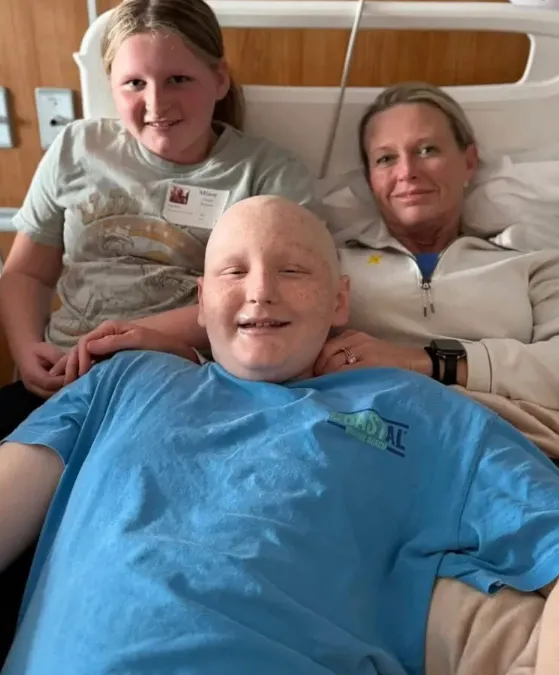
Their son, Will Roberts, just fourteen years old, was preparing for another round of scans. Scans that would not bring easy answers. Scans that might bring news no parent is ever prepared to hear.
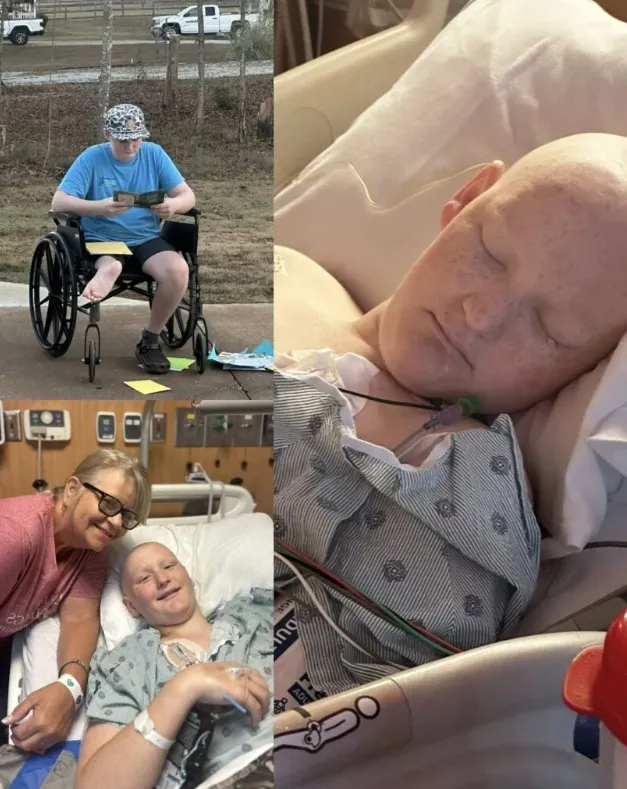
Will is fighting bone cancer.
And this fight has already taken more from him than most people face in a lifetime.
The air inside their home that morning was thick — with hope, with fear, with the unknown. Hope that the chemo pill Will had been taking might have slowed the cancer’s relentless advance. Fear that it hadn’t. And uncertainty that clung to every thought Brittney tried to quiet.
A month earlier, the scans had shattered them.
The cancer had spread to nearly every part of Will’s body. The words landed like a physical blow. There was no sugarcoating it, no room for optimism in the numbers and images doctors showed them. Only reality — brutal and unyielding.
Still, they chose to keep going.
The chemo pill they were given was never meant to cure. Doctors were honest about that. Its purpose was smaller, but no less vital: to slow the progression. To buy time. To hold the line.
And sometimes, in battles like this, holding the line is everything.
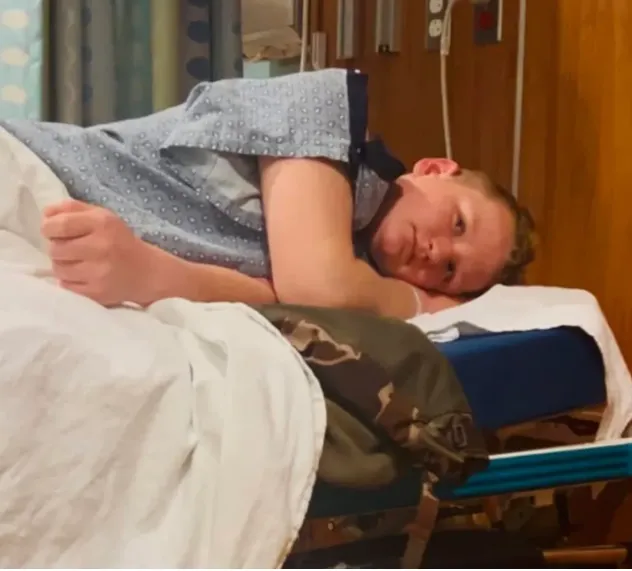
For Brittney, every day begins and ends with prayer. Not because she is fearless — but because she is not. Fear is present in every moment. Faith is how she keeps moving anyway.
She knows the terror of imagining a future without her son. She knows the exhaustion of living inside constant uncertainty. And she knows the helplessness that comes when love alone cannot fix what is breaking a child’s body.
Yet, she refuses to let fear have the final word.
In the days leading up to the scans, Brittney shared her heart in writing — words raw with love and desperation, but anchored in unwavering belief. She did not ask for miracles in sweeping terms. Her prayer was simple. Focused. Almost painfully humble.
“God, just stop the spread.”
Not destroy.
Not erase.
Just stop.
It was a plea born from reality, not denial. From a mother who understands the limits of medicine, yet refuses to accept that those limits define the end of hope.
Every day, Brittney speaks the same words aloud:
“Thank You, God, for healing Will and destroying every cancer cell in his body.”
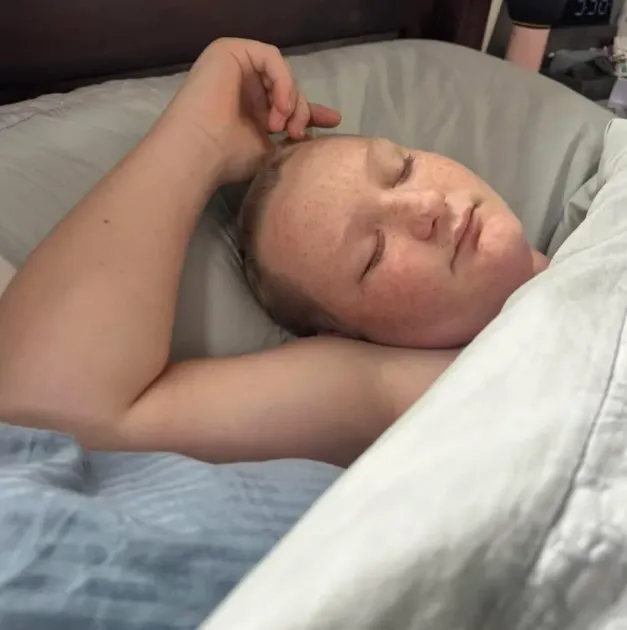
She speaks it not because it is easy, but because it is necessary. Because in her heart, she believes that words have power — and that faith, even when shaken, still stands.
She refuses to speak defeat over her son.
The night before the scans, something unexpected happened.
It had been a long, frustrating day. Brittney felt overwhelmed — by personal struggles, by exhaustion, by the quiet anger that sometimes creeps in when life feels unbearably unfair. She didn’t feel ready for church. She didn’t feel peaceful.
But she went anyway.
Still in her work uniform, still carrying the weight of the day, she walked into the sanctuary feeling disconnected — from calm, from certainty, even from herself. She sat, trying to focus, trying to quiet her mind.
And then Will leaned over.
“Mom,” he whispered, “I’m going to go up to the altar and pray.”
In that moment, her heart broke and healed all at once.
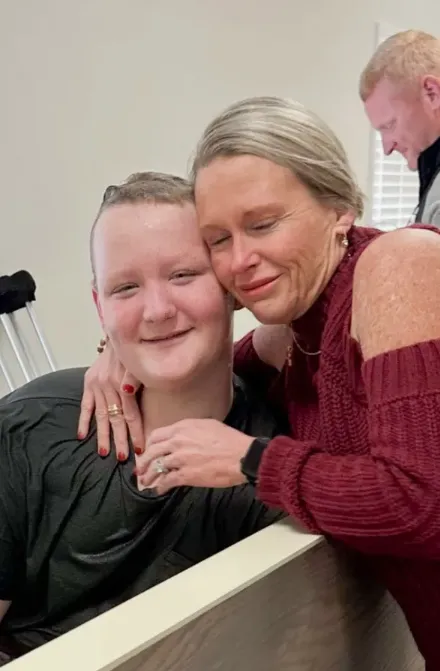
Her fourteen-year-old son — the one facing scans that might redefine his future — was not asking for comfort. He was stepping forward in faith. Brittney followed him.
At the altar, she placed her hands on Will’s back. She expected her prayer to pour out for him. For his healing. For her fear.
But that’s not what happened.
Instead, her heart turned outward.
She found herself praying for another mother’s child — a child she did not know, whose name she would never learn, but whose pain she suddenly felt deeply. Her prayer shifted from desperation to compassion.
“God, let him feel loved.”
In that moment, Brittney realized something profound.
Even in the deepest personal suffering, love does not shrink. It expands.
She recognized that pain had the power to harden hearts — and that faith was the choice to let it soften them instead. God was reminding her who she was called to be, even when it was hard.
Especially when it was hard.
Later, Brittney wrote about that moment with humility and honesty. She thanked God not just for strength, but for correction. For pulling her back when fear and frustration threatened to close her off from others.
“Thank You, God, for grace. For forgiveness. For love.”
Her words carry the kind of wisdom that does not come from comfort. It comes from standing at the edge of losing what matters most — and choosing love anyway.
As scan day approached, Brittney did not pretend to be strong in the way people often expect. She admitted how hard it was. How heavy the fear felt. How exhausting it was to balance hope and reality.
“Tomorrow we face scans,” she wrote.
“Tonight, God reminded me who I am called to be.”
That honesty is what makes her story resonate so deeply. There is no performative faith here. No denial of pain. Only a mother choosing belief in the middle of fear.
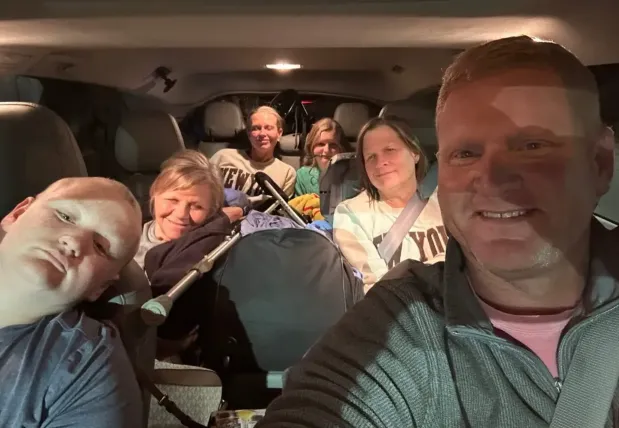
Jason, Will’s father, stands beside them with quiet strength. He does not speak as loudly, but his presence is constant. Steady. Unmoving. A father who carries fear silently while doing everything he can to protect his family from collapsing beneath it.
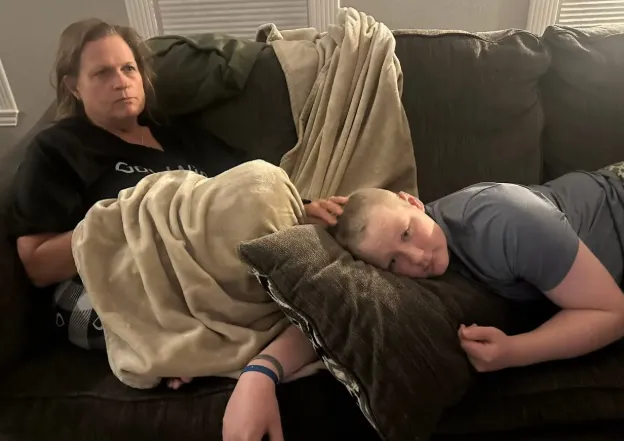
Together, they are doing the impossible — loving their child fiercely while preparing their hearts for news they cannot control.
Will, at the center of it all, continues to fight with a courage that feels both inspiring and heartbreaking. He does not fully understand the weight his parents carry. But he understands love. And faith. And hope.
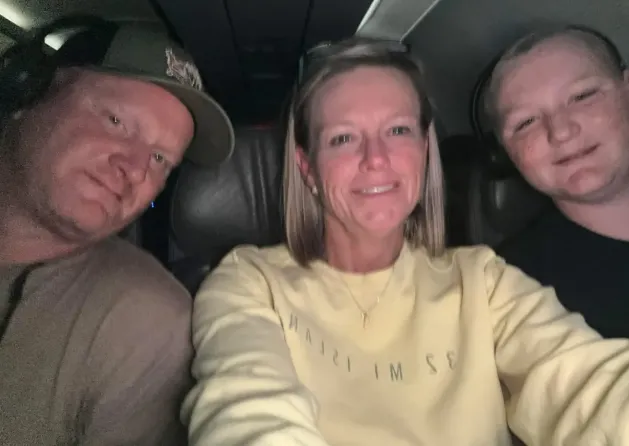
He knows his parents are with him.
He knows he is prayed for.
He knows he is not alone.
As the scans approach, the family asks for nothing extravagant. Only prayers. Only kindness. Only reminders that they are surrounded by people who care.
They have opened a way for others to reach Will — through letters, cards, words of encouragement. Small gestures that carry enormous meaning. Each note tells Will that his fight matters beyond the walls of a hospital.
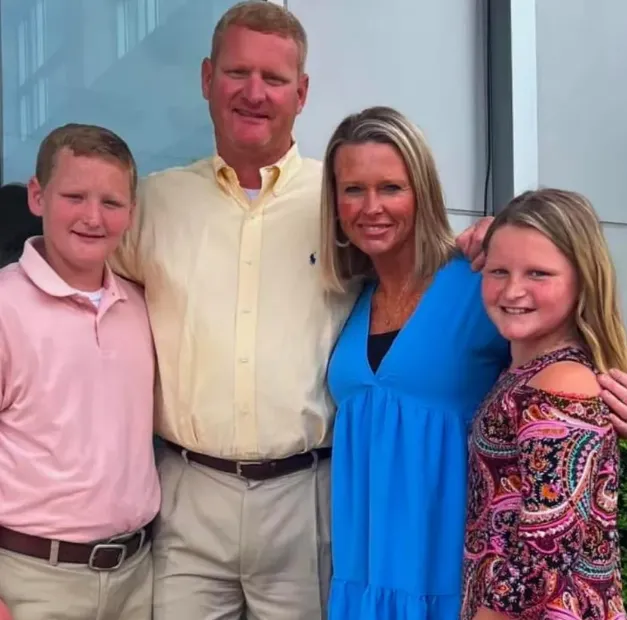
For Brittney and Jason, those gestures matter too. They are proof that when life narrows to hospital rooms and scan results, the world does not disappear.
It shows up.
No one knows what the scans will reveal. That uncertainty is the hardest part. The waiting. The imagining. The mental rehearsals of conversations no parent ever wants to have.
But what is certain is this:
Will is deeply loved.
His parents are unwavering.
And faith continues to breathe in the spaces where fear tries to take over.
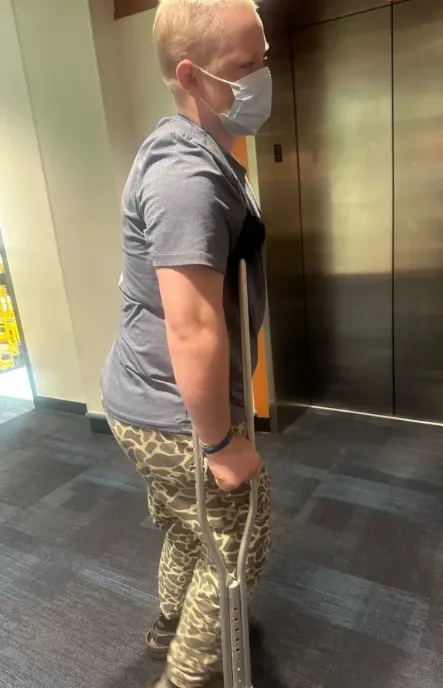
Brittney’s strength is not the absence of fear.
It is the decision to keep praying anyway.
To keep loving anyway.
To keep believing anyway.
As the next two days unfold, countless hearts stand with the Roberts family. People who have never met them are praying for good news. For stability. For time. For peace.
They pray that the chemo pill has done its work.
That the cancer has paused.
That Will’s body has been given room to rest.
They pray for Brittney and Jason — that they feel carried, not crushed, by the weight of this fight. That peace finds them in moments when fear threatens to overwhelm.
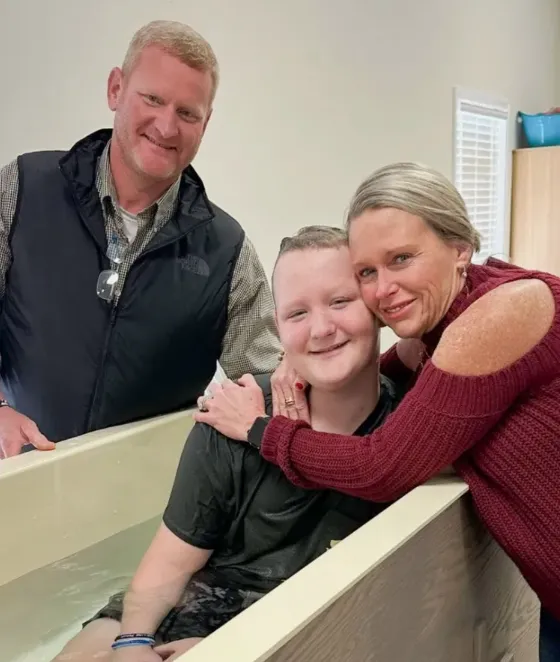
And they pray for Will — that he feels surrounded by love stronger than illness, stronger than statistics, stronger than fear.
This story is not about outcomes yet.
It is about a moment before the answer arrives.
A moment where a mother chooses faith.
A father chooses steadiness.
And a fourteen-year-old boy chooses to step forward and pray.
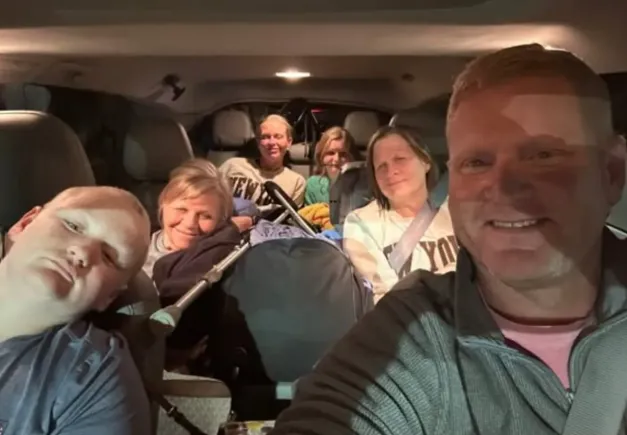
Whatever the scans reveal, this remains true:
Love is present.
Hope is alive.
And Will Roberts is not fighting alone.
Hunter Marvin Fricks: A Life Loved Before It Began
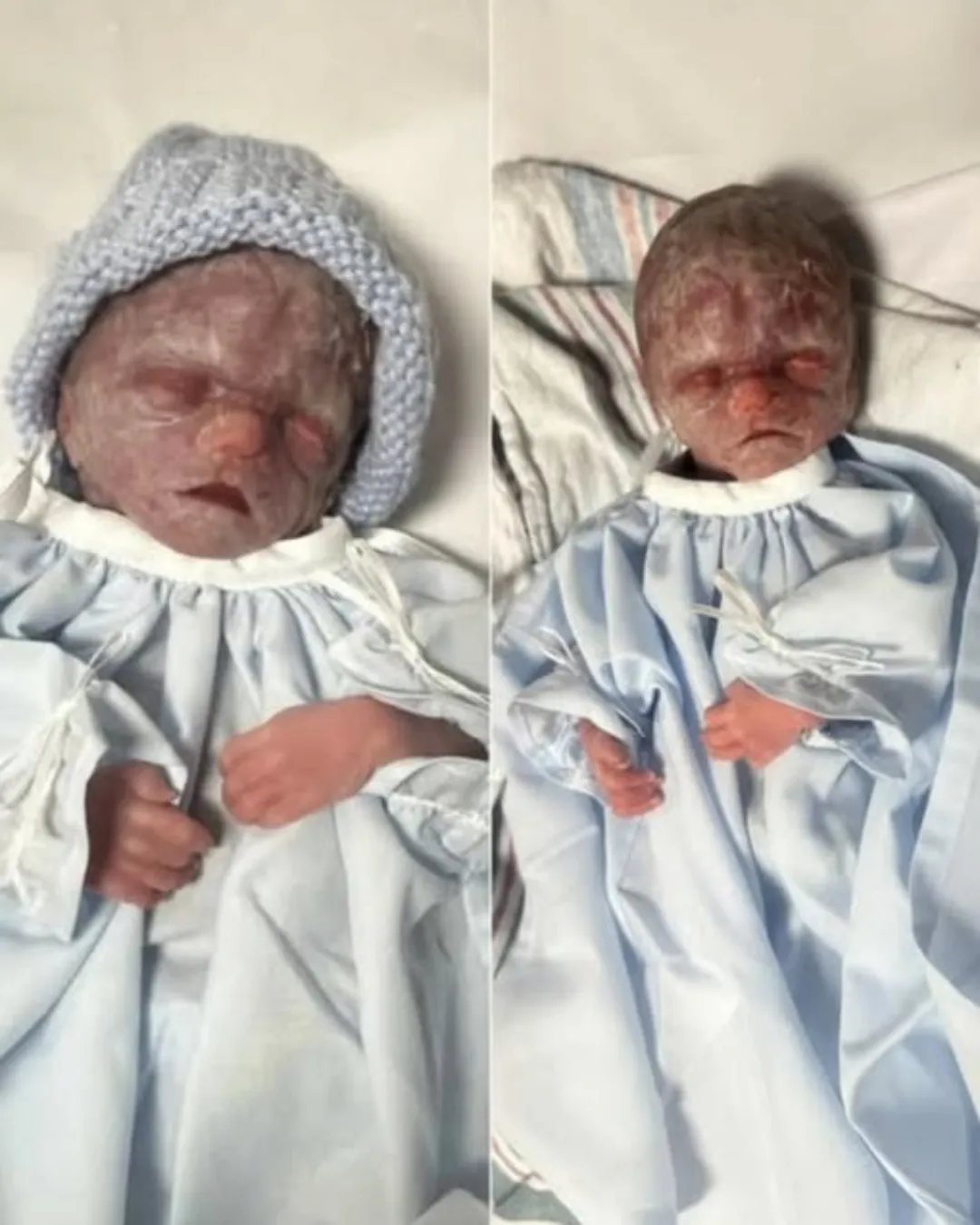
Some lives unfold in ways the world can see — marked by first steps, birthdays, and shared memories. Others exist more quietly, known fully only by the hearts that carried them. Hunter Marvin Fricks belongs to the second kind.
He was a baby boy deeply loved and longed for long before his birth. Though his time in this world was heartbreakingly brief, his life will always matter — not because of how long it lasted, but because of how deeply he was loved.
Hunter was expected to arrive on January 31, 2026 — a date filled with anticipation, hope, and gentle dreaming. His family imagined him in small, tender moments: what he might look like, the feel of him in their arms, the ways he would change their lives forever.
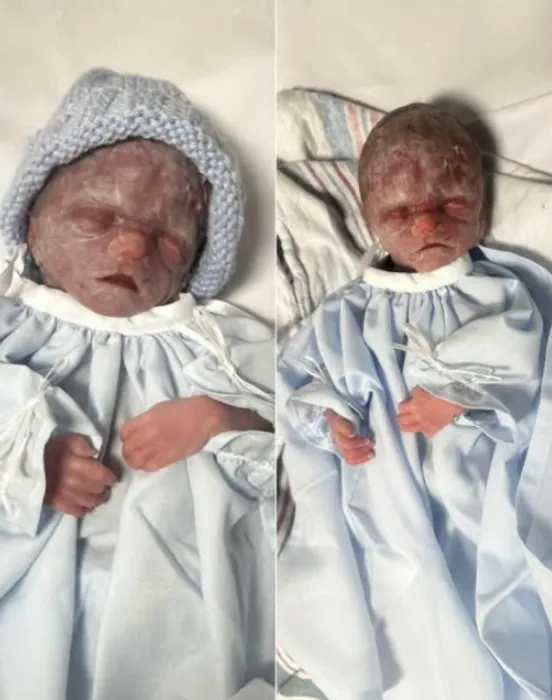
Even before he was born, Hunter had a place. He belonged. He mattered. Love had begun quietly, growing through whispered conversations, shared plans, and the simple belief that something beautiful was coming.
Hunter was never just an idea. He was a real son, a real grandson, cherished in ways that loss could never erase. His family had already loved him fully, anticipating every future milestone.
On November 8, 2025, that future changed in a way no family is ever prepared for. Hunter was born still. The moment that should have been filled with cries and first breaths arrived instead in silence.
In a single instant, hope and grief collided, leaving his family holding both at once. Stillbirth carries a unique and devastating pain — where birth and goodbye exist simultaneously. There is no gentle transition, no time to adjust, only the sudden realization that the life imagined will never unfold.
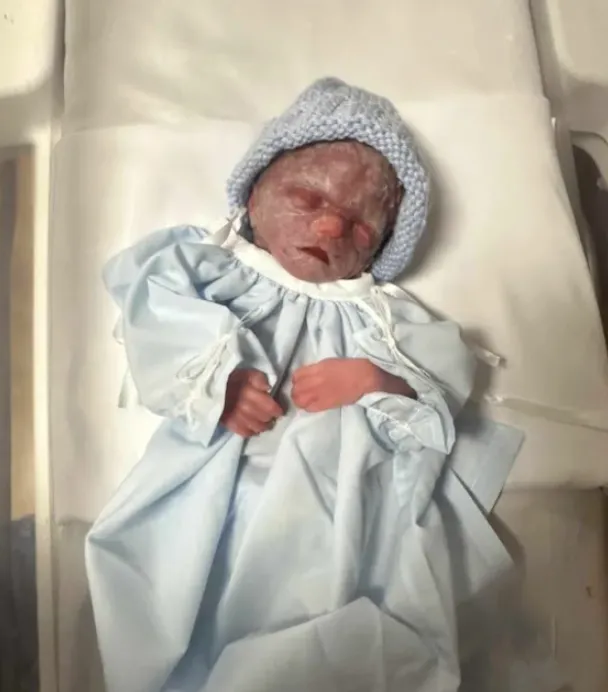
Hunter’s family faced that truth with hearts already full of love, now broken by sorrow. Yet even in the silence, he was not alone. He was surrounded by love that had claimed him long before that day.
His grandmother shared words that reflect the enduring strength of that love. She spoke of missing him deeply, loving him endlessly, and holding onto the hope of meeting him again one day. In her words lived both grief and devotion, pain and promise, woven together in a way only love can manage.
Grandparents often imagine futures stretching far ahead, filled with quiet pride and small moments. For Hunter’s grandmother, that future was interrupted, but the love behind it was not erased. It remains steady and unwavering, untouched by time or circumstance.
Hunter was a precious grandson, a beloved son, and an inseparable part of a family whose story will always include him. His life did not need years to be meaningful. His existence alone changed the people who loved him, shaping their hearts in ways the world may never fully see.
Grief after stillbirth is often invisible. There are no shared memories others can easily recognize, no photos of first smiles or first steps. But invisibility does not mean insignificance — and Hunter’s life is proof of that truth.
His family carries not only the pain of losing him, but also the responsibility of remembering him. Speaking his name is an act of courage. Remembering him openly is a declaration that his life mattered, and always will.
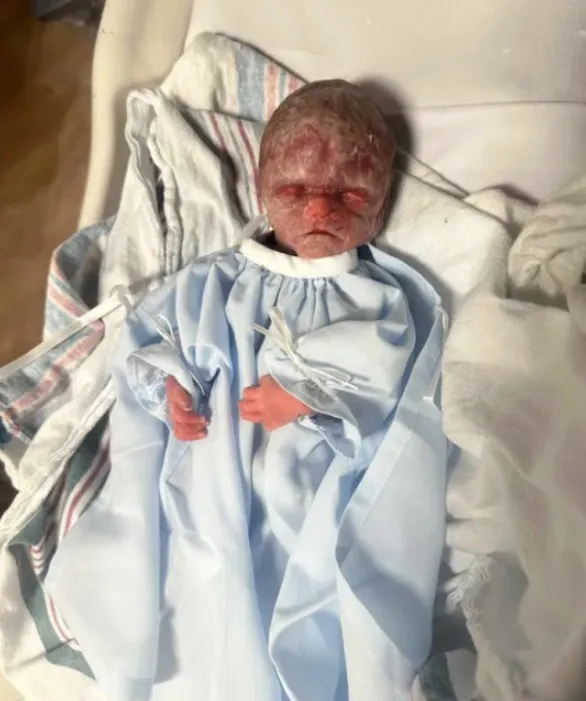
Hunter mattered because he was loved before he was ever seen. He mattered because he was hoped for, planned for, and welcomed in spirit long before his birth. He mattered because love does not require time to be real.
The loss of a child born still is also the loss of an imagined future — the birthdays that will never be celebrated, the holidays that will always feel incomplete, the quiet moments when absence feels louder than sound. These losses become woven into daily life, appearing without warning.
And yet, within that grief, there is devotion. Hunter is not a secret, nor a forgotten chapter. He is a permanent part of his family’s story, spoken of with tenderness and carried with intention.
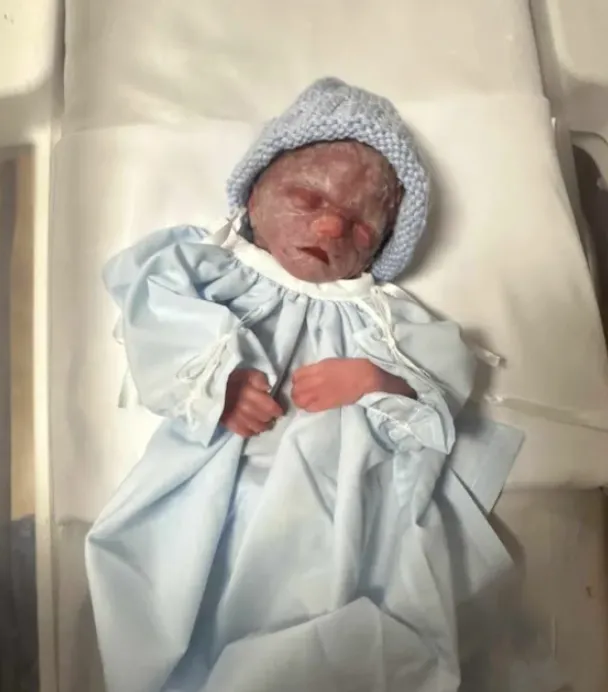
Today, we honor Hunter Marvin Fricks by acknowledging his life and the love that surrounds it. We hold his family close in our thoughts, recognizing both their heartbreak and their strength. Honoring him is not about reopening wounds, but about validating a love that never had the chance to grow outward.
Remembering a child like Hunter is an act of compassion. It affirms that grieving families are seen, that their child deserves to be known, and that love does not end with loss. It creates space for honesty, remembrance, and shared humanity.
Hunter’s life may have been brief, but its impact is lasting. He reminds us that love transcends time. That even the smallest, most fleeting lives leave echoes that reach beyond the visible world. That every child, seen or unseen, carries a universe of meaning in the hearts that hold them.
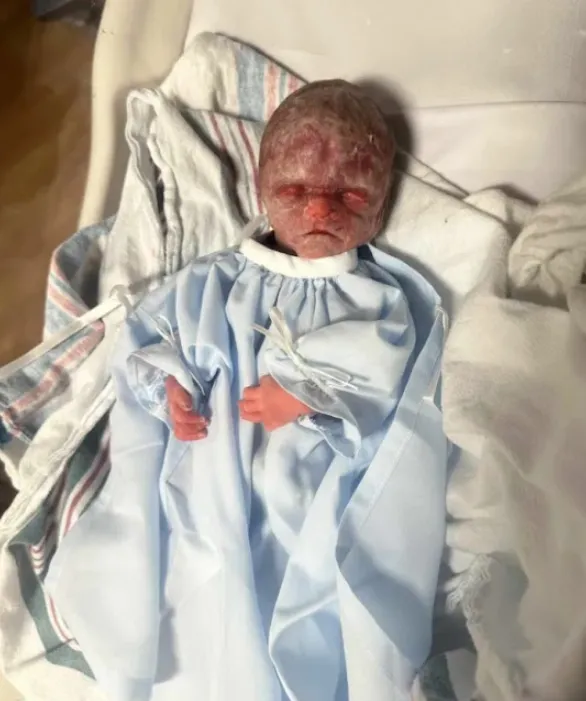
And so, though Hunter will never take his first steps or speak his first words, he will always walk with his family in memory. He will always have a place in their hearts, their stories, and their love.
Hunter mattered. And his life, though silent in its arrival, speaks volumes about the power of love, hope, and remembrance.