At our 20-week scan, we were expecting the usual excitement, the smiles, and the dreams of holding our baby for the first time. Instead, the screen revealed Arthur’s heart was not as it should be — he had Transposition of the Great Arteries (TGA), a life-threatening heart condition that turned joy into fear in an instant.
We were shocked, frightened, and overwhelmed by the medical terms, the statistics, and the unknown that lay ahead. What should have been a celebration became the start of an unexpected and terrifying journey into the world of congenital heart disease.
In those first days of processing, the reality of what Arthur faced began to sink in. We read about surgeries, balloon procedures, and the delicate nature of arterial switch operations, realizing that his survival would demand courage, resilience, and more love than we ever imagined possible.
As my belly grew and Arthur moved inside me, the excitement was now shadowed by anxiety. Each kick reminded us of the life inside, fragile yet fiercely alive, clinging to hope in the most vulnerable of ways.
The hospital became a familiar landscape long before his birth. Consultations, echocardiograms, and conversations with cardiologists became part of our weekly rhythm, every appointment a mix of dread and anticipation.
When Arthur was born, he was fragile, small, and precious, a delicate life hanging by threads that only skilled hands could navigate. The neonatal team immediately began interventions to stabilize him, and we understood quickly that every second mattered.
His first days were filled with balloon procedures to ensure blood could circulate properly through his heart. We watched, hearts in our throats, as specialists worked tirelessly to keep his tiny body alive.
At nine days old, he underwent a complex arterial switch surgery, a procedure so intricate that the slightest misstep could have catastrophic consequences. In that operating theatre, our prayers, hope, and fears intertwined with every heartbeat monitored by surgeons and nurses.
Recovery was slow and delicate. Each breath he took, each grasp of a finger, each flutter of eyelids was a victory, celebrated with tears of relief and gratitude.
During those first weeks, we became attuned to the subtleties of his fragile health. Even the smallest change in color, temperature, or breathing rhythm could signal danger, and every day felt like walking a tightrope between hope and despair.
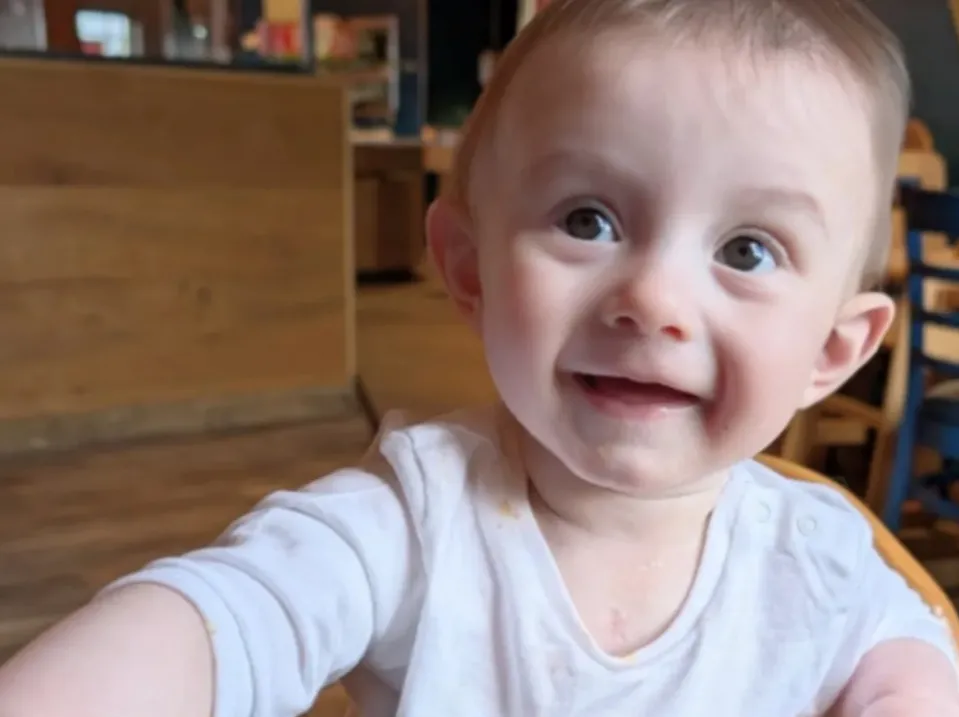
We learned patience in its deepest form. Waiting for his oxygen levels to stabilize, for his heartbeat to normalize, for his body to show signs of healing, became a daily exercise in faith and resilience.
Every tiny milestone was monumental. The first time he fed without support, the first smile, the first flutter of a laugh—these were not ordinary moments; they were triumphs over fragility and reminders of the extraordinary will to live.
Arthur’s resilience amazed everyone around him. Nurses, doctors, and our own family watched as he endured procedures that would be overwhelming for adults, yet he persisted with a quiet determination that seemed almost miraculous.
The NICU was both terrifying and transformative. Its machines, monitors, and alarms were constant reminders of the precariousness of life, but also of the strength of human skill and the power of attentive care.
We discovered that love is a force stronger than fear. Holding him, speaking softly to him, and simply being present were acts of courage for us as parents, teaching us that nurturing goes beyond providing basic needs—it is the steadfast devotion to a life that is both fragile and extraordinary.
As the weeks turned into months, we began to see the first signs of thriving. His chest grew stronger, his alertness increased, and his personality began to shine through the tubes, monitors, and hospital walls.
Even after the arterial switch surgery, follow-up procedures and check-ups became routine, each one a reminder that recovery is ongoing, and that vigilance is a vital part of love. We learned to celebrate small victories, like stable heart rhythms, successful feedings, and his first unassisted breaths.
By nine months, Arthur is thriving. His energy, curiosity, and laughter fill our home with joy, a sharp contrast to the fragile beginnings that once held our hearts hostage.
Looking back, the journey taught us lessons beyond medicine. It showed us the power of early detection, the life-saving impact of skilled healthcare, and the extraordinary influence of love, patience, and presence in nurturing survival.
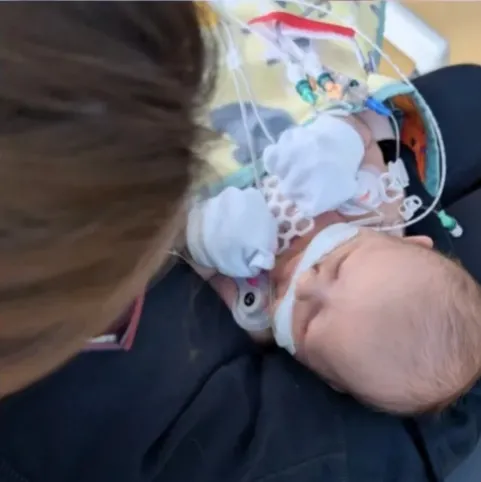
Arthur’s story is also a reminder of courage in its purest form. Courage is not always loud or visible—it can be quiet, consistent, and steadfast, demonstrated in a tiny chest fighting for life and in the hearts of parents who refuse to give in to despair.
Through him, we have learned to appreciate the smallest details of life. A deep breath, a blink, a coo, a grasp of a finger—these simple acts carry immense meaning when viewed through the lens of survival.
We also discovered community in unexpected ways. Friends, family, and even strangers offered encouragement, shared their own stories of resilience, and helped us navigate the emotional and practical challenges that come with caring for a child with congenital heart disease.
Every day is still a balancing act between cautious optimism and mindful vigilance. Monitoring, follow-ups, and preventive care remain crucial, but they are now integrated with laughter, play, and moments of pure joy that remind us why each intervention was worth every fear endured.
Arthur’s journey has redefined our understanding of life, love, and hope. Survival is not just about being alive—it is about embracing growth, celebrating each milestone, and allowing resilience to shape the narrative of one’s life.
We have come to understand that fragile beginnings can lead to extraordinary outcomes. Arthur’s path from diagnosis to thriving nine months later embodies the intersection of medical skill, early detection, and the transformative power of unwavering love.
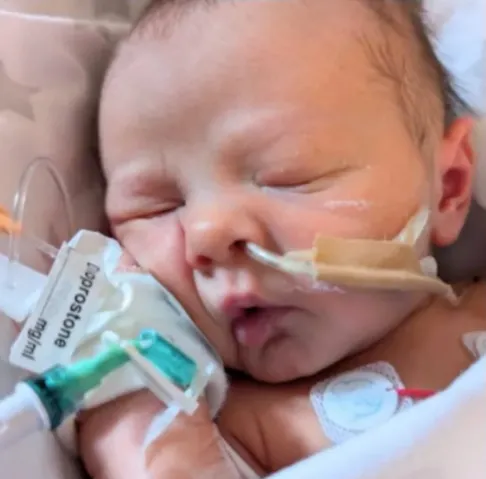
His story reminds us that no parent should underestimate their influence. Our presence, advocacy, and persistent care have been integral to his progress, proving that love and dedication are as critical to survival as medicine itself.
Even in the quiet moments, when he rests peacefully in our arms or babbles softly, we are reminded of the fragility of life and the strength that comes from care, attention, and resilience.
Arthur’s courage inspires everyone who meets him. He has shown that even the tiniest humans can demonstrate bravery that defies imagination, teaching lessons about perseverance, hope, and the enduring power of love.
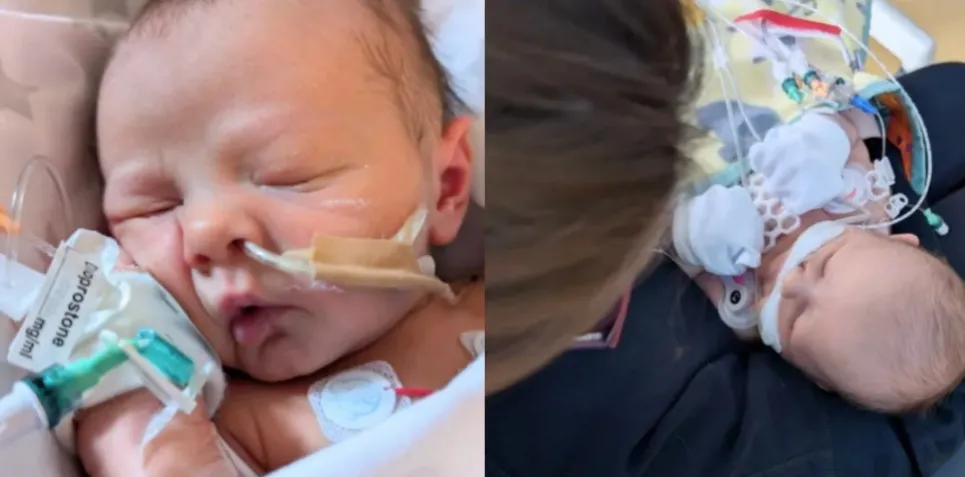
The journey continues. We remain vigilant, watchful, and attentive, but also profoundly grateful for every smile, every giggle, and every milestone that confirms life’s triumph over fragility.
Ultimately, Arthur’s story is a testament to the power of early detection, skilled intervention, and, above all, the unbreakable bond forged through love. His journey from a high-risk diagnosis to thriving infant reminds us all that courage, resilience, and presence can transform fear into hope.
He is not just surviving—he is living fully, demonstrating that even the most vulnerable lives can flourish with support, skill, and unwavering love. Arthur’s story is a reminder that every heartbeat, every breath, and every moment of connection is a victory worth celebrating.
Ben’s Liberation — From a Life of Confinement to the Freedom of Sanctuary.1521
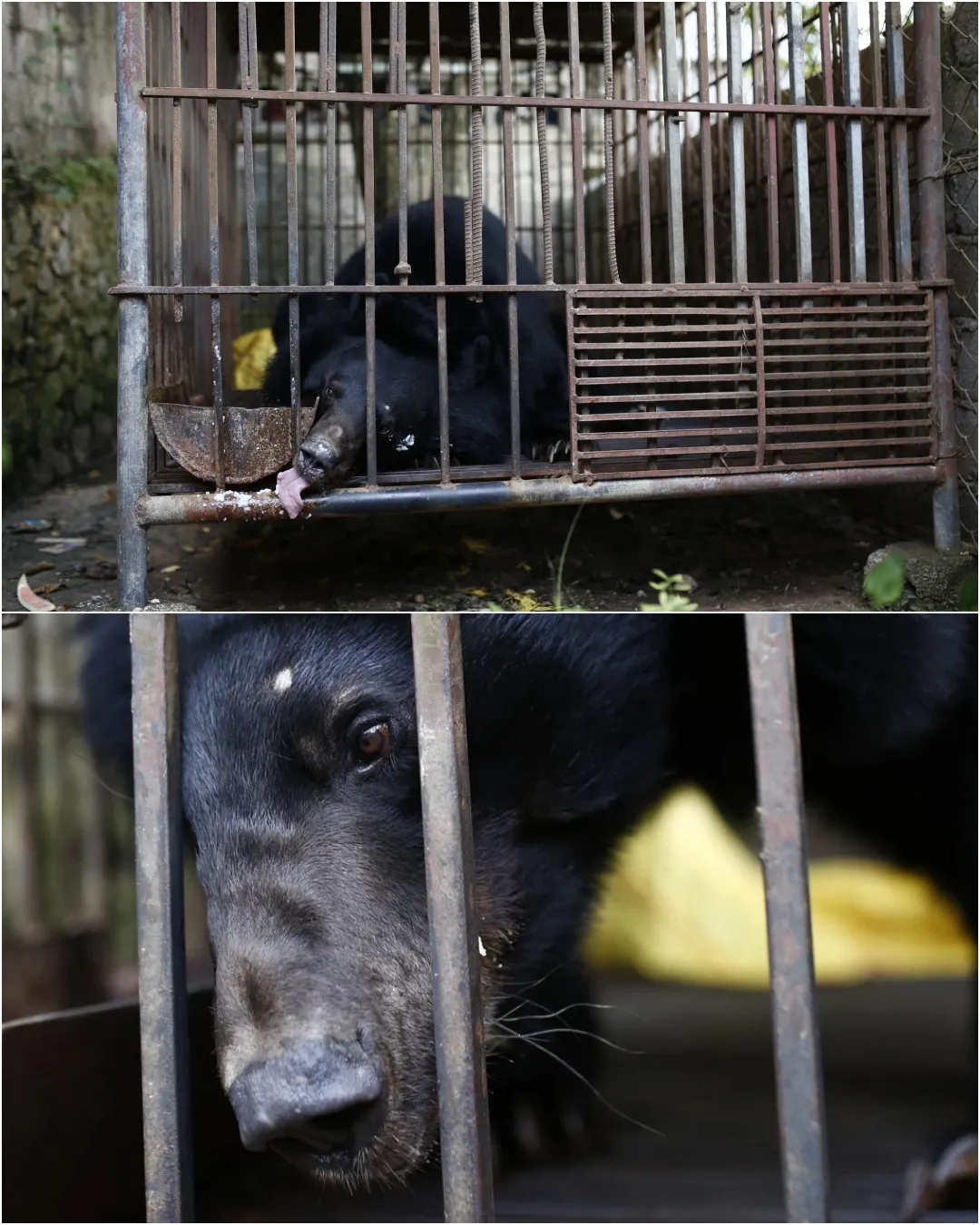
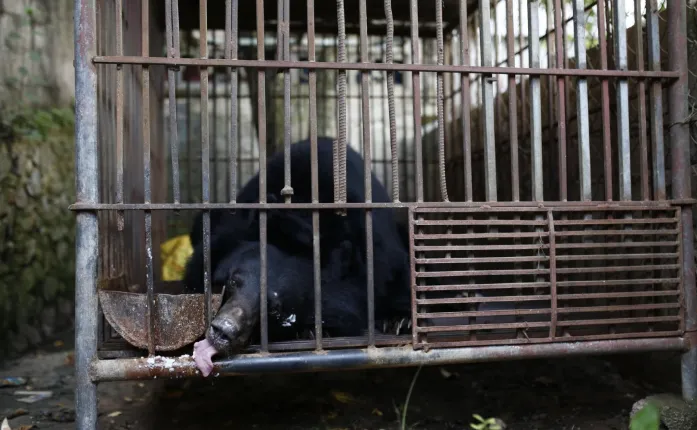
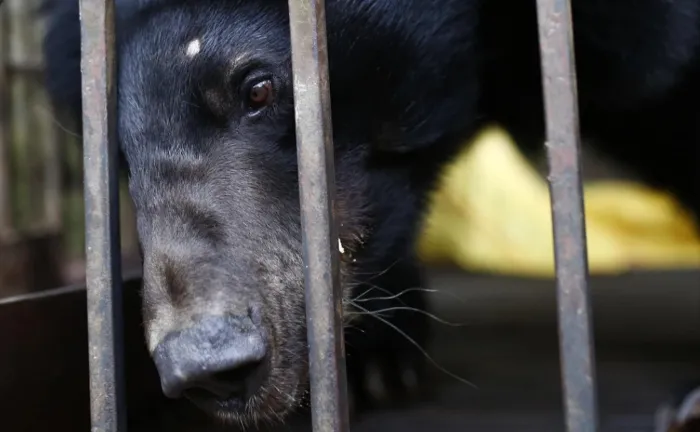
For nearly thirty years, Ben, an Asiatic black bear, lived a life no creature should endure. Confined to a cage barely 4 square meters in size, in the backstreets of Vietnam, his days were a monotonous cycle of deprivation. There was no room to roam, no opportunity to forage, no chance to climb, explore, or simply express the natural behaviors that define a bear’s life. Decades of isolation, physical abuse, and forced bile extraction had left their mark — scarring his body and leaving invisible wounds upon his spirit.
By the time rescue teams reached him, Ben was a shadow of his species’ majestic form. Underweight, his fur patchy, his body marred with injuries, he had endured unimaginable suffering. Yet in the depths of cruelty, he had survived — a testament to the quiet resilience that animals often display when all hope seems lost.
The Journey to Sanctuary
On December 3rd, 2019, Ben was finally rescued and transported to BEAR SANCTUARY Ninh Binh, a place dedicated to restoring freedom and dignity to abused and neglected bears. For the first time in his life, he could stretch his legs, climb, and feel the texture of soil and trees beneath his paws.
The caregivers quickly understood the importance of rebuilding not just Ben’s physical strength, but his emotional well-being. They provided a carefully designed rehabilitation program: nutrient-rich food to restore his weight, medical treatment to heal old injuries, and enrichment activities to stimulate curiosity and encourage natural behaviors. The journey was slow. Trust had to be earned, muscle mass rebuilt, and confidence restored.
Rediscovering Life
Gradually, Ben began to thrive. He tentatively explored his surroundings, stepping beyond the familiar corners of the enclosure to discover hidden logs, trees, and shaded nooks. He climbed, tested his strength, and even learned to forage — skills essential for mental and physical health that had been denied for decades.
Play became a vital part of his recovery. Watching him wrestle with enrichment items, splash in shallow pools, and interact with the other rescued bears, the sanctuary staff witnessed the transformation of a life once stifled into one filled with curiosity, energy, and joy. Each action, each exploration, marked a step away from suffering and a step toward the life he had always deserved.
Though Ben will never return to the wild, the sanctuary has become a haven where he can express his true self. He shares space with other rescued bears, forming bonds, asserting natural behaviors, and creating a daily rhythm that mirrors the freedom he was robbed of for decades.
A Testament to Resilience and Compassion
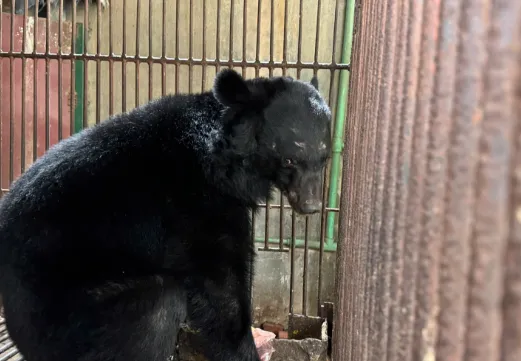
Ben’s story is a powerful reminder of both the cruelty humans can inflict and the capacity for healing when compassion is applied. His survival after decades of abuse underscores the resilience of animals — their capacity to endure trauma and embrace recovery when given the chance.
The efforts of the sanctuary, and the countless individuals who support it, show the transformative power of sanctuary care. By restoring safety, dignity, and the opportunity to live naturally, they demonstrate that even the most broken lives can be healed with patience, care, and dedication.
Ben’s liberation is not just his own victory; it is a symbol for all rescued wildlife. It teaches us the value of empathy, the responsibility humans bear toward the natural world, and the incredible possibilities that arise when we act to protect and rehabilitate those who cannot speak for themselves.
Today, Ben thrives — a bear who knows the taste of freedom, the joy of play, and the security of a life in which his body and spirit are respected. His journey from extreme confinement to recovery is a shining example of resilience, the power of compassion, and the hope that every rescued animal can reclaim a life worth living