The New York Mets got some brutal news on Thursday night, as Kyle Tucker, the player the team was most strongly pursuing this winter, signed not with the Mets, but with the Los Angeles Dodgers.
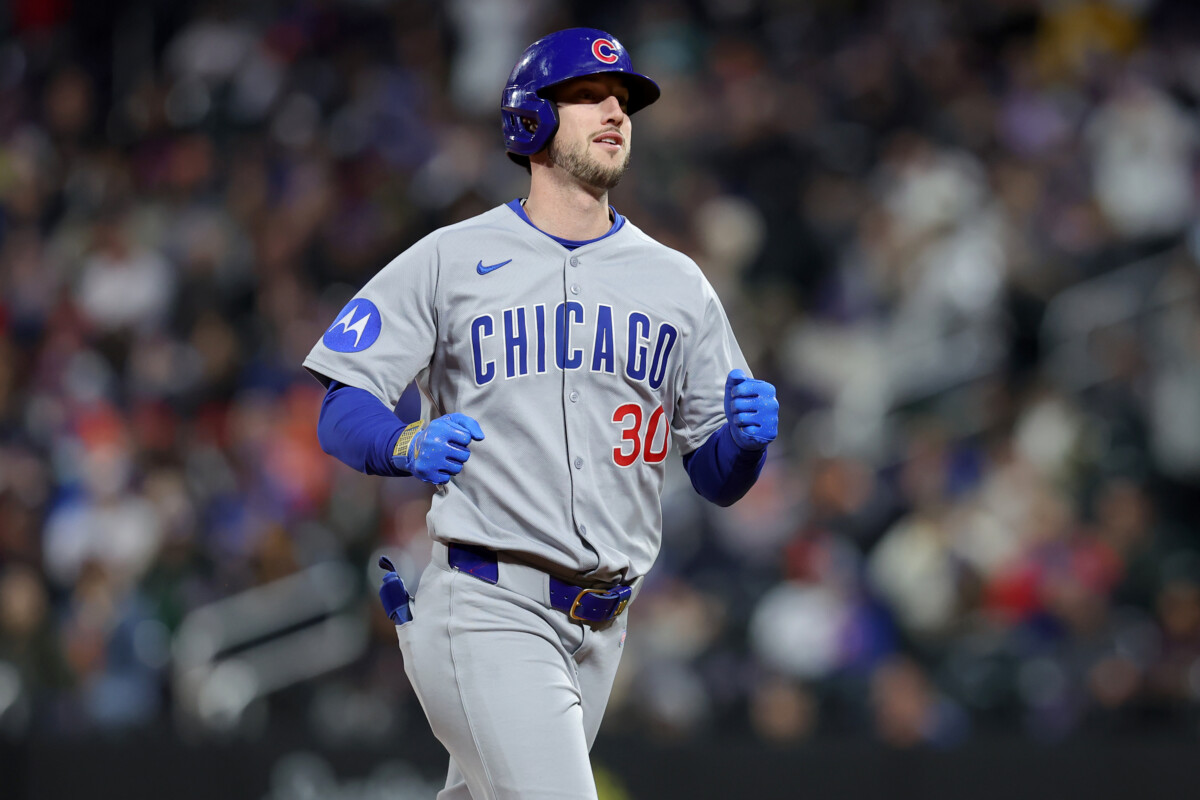
Losing Tucker is one thing, but seeing him go to the Dodgers makes things sting even more. It’s a massive $240 million, four-year deal for Tucker in Los Angeles. While the last known report on the Mets’ offer was for $50 million per year, what about their final offer?
According to former Mets GM Jim Duquette, the Mets’ offer for Tucker wasn’t far off from the Dodgers’ deal. The Mets offered Tucker a four-year deal, and only $20 million less than what he got from the Dodgers.
Mets were $5 million per-year off from getting Kyle Tucker
“A MLB source confirmed the Mets offer was 4 years at $220 million,” Duquette shared on Twitter/x.
This offer from the Mets wasn’t as far off as initially speculated. They were previously at $50 million per-year, so the Dodgers going to $60 million per-season was a notable increase.
But, in reality, the Mets were at $55 million AAV in their final offer to Tucker this winter. He signed with the Dodgers on a deal for a similar length, adding his incredible bat to an already stacked lineup in Los Angeles.
While it’s impossible to know if Tucker would’ve signed with the Mets if they had given him $5 million more per season to match the Dodgers’ offer, the Mets being so close to getting Tucker makes this sting even more.
Steven Cohen and David Stearns just missed out on getting Tucker, as the former Chicago Cubs and Houston Astros superstar is signing with the Dodgers on a deal worth $20 million more than the offer he got from the Mets.
The Mets’ offer was a respectable one, and easily could’ve gotten the job done if it weren’t for the absurd contract the Dodgers put on the table.
Now, the Mets will likely pivot to Cody Bellinger and other outfield and starting pitching options as they change plans in the wake of losing out on their top target this winter.
Adam Schefter reports that Houston Texans wide receiver Nico Collins is unlikely to suit up Sunday when they face the New England Patriots…
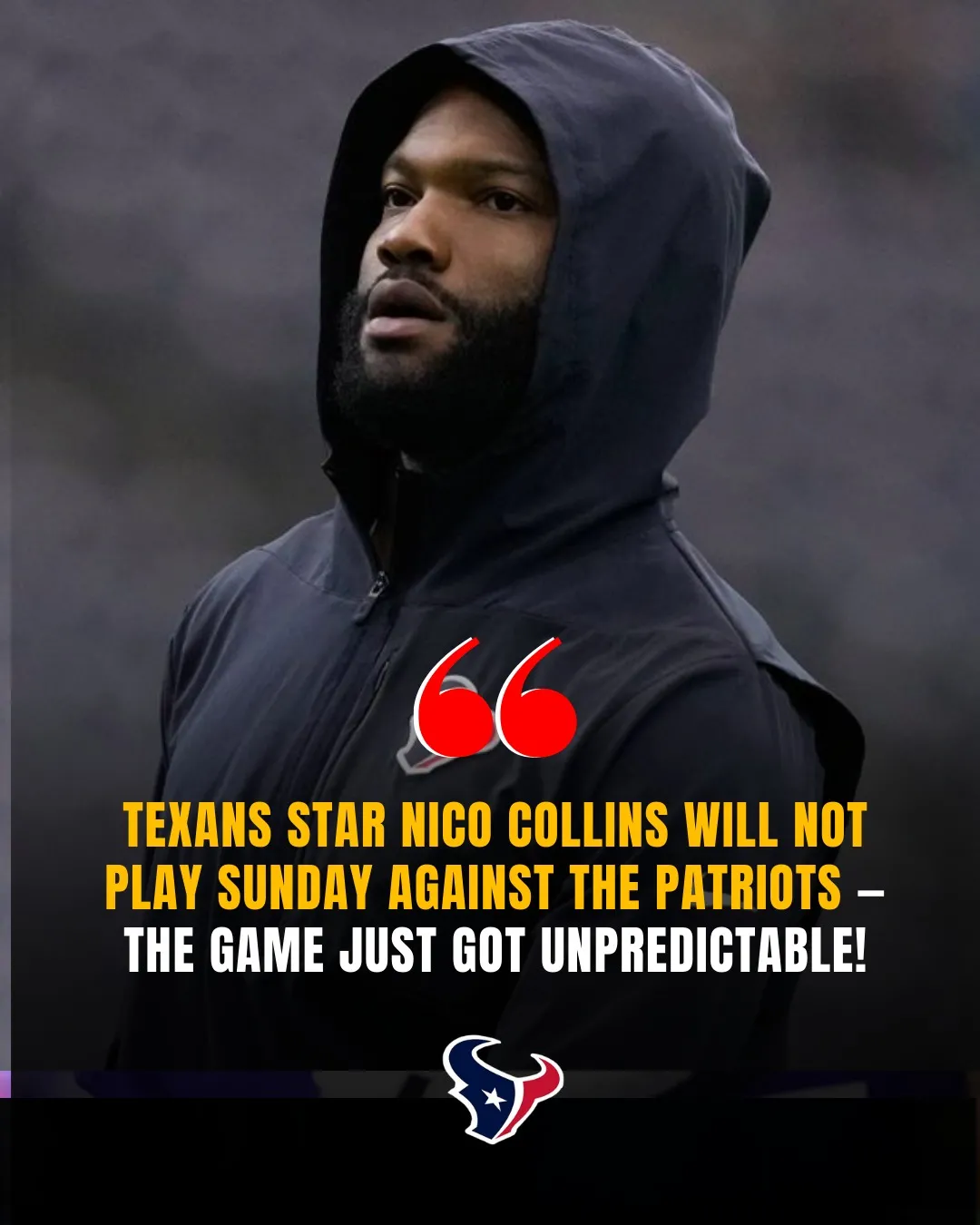
BREAKING: Houston Texans fans received shocking news Friday morning, as Adam Schefter reported that star wide receiver Nico Collins is not expected to play Sunday against the New England Patriots.
This announcement immediately sent shockwaves through the NFL community, leaving Texans fans concerned about their team’s offensive firepower and potential struggles against a disciplined Patriots defense.
Collins, who has emerged as one of the most reliable targets in Houston’s passing attack, will be sorely missed, especially in critical third-down situations where his presence is often game-changing.
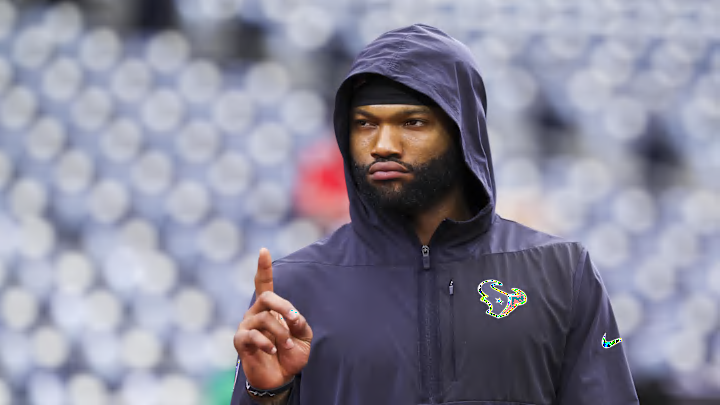
Houston’s offensive coordinator now faces a dilemma, having to adjust the game plan rapidly without their top wideout, while Patriots’ defensive coordinator undoubtedly celebrates this unexpected advantage.
The implications extend beyond just Sunday’s game. Fantasy football owners, who relied heavily on Collins as a mid-tier WR1, are scrambling to reconfigure lineups and waiver claims to compensate for the sudden absence.
Analysts are already debating whether Houston has sufficient depth at wide receiver to maintain offensive rhythm, with some arguing that rookie contributors might rise to the occasion under pressure.
Others, however, remain skeptical, suggesting that the absence of Collins could expose vulnerabilities in Houston’s aerial attack and potentially shift the balance of power in the AFC matchup.
The timing of this injury news could not be worse for Texans fans, coming just days before a pivotal divisional game where every point matters and playoff hopes hang in the balance.
Social media has erupted with mixed reactions, ranging from outrage at the team’s medical handling to hopeful speculation that Collins might return unexpectedly if protocols allow, reflecting the volatile nature of fan sentiment.
Some fans argue that Houston should aggressively pursue other roster options, perhaps through trade or activation of practice squad talent, while others warn against rushing unproven players into high-pressure situations.
The coaching staff’s response in the coming hours will be scrutinized heavily, as decisions made now could have long-term repercussions for team morale and season trajectory.
Even veteran players on the Texans roster expressed concern, reportedly frustrated at the timing, but determined to step up collectively to mitigate the loss of their star receiver.
Patriots fans, conversely, are celebrating the news, viewing Collins’ absence as a golden opportunity to exploit Houston’s secondary and control the pace of the game with their methodical offensive schemes.
Sports analysts are drawing comparisons to other high-profile WR absences in recent NFL seasons, analyzing how teams adapted strategically and whether Houston can emulate successful examples.
The debate is already spreading across fan forums and sports talk shows, with some arguing that backup receivers must rise or Houston’s playoff hopes could be severely compromised.
From a betting perspective, lines are likely to shift dramatically, reflecting the market’s adjustment to Houston’s suddenly weakened receiving corps and the Patriots’ increased chances of victory.
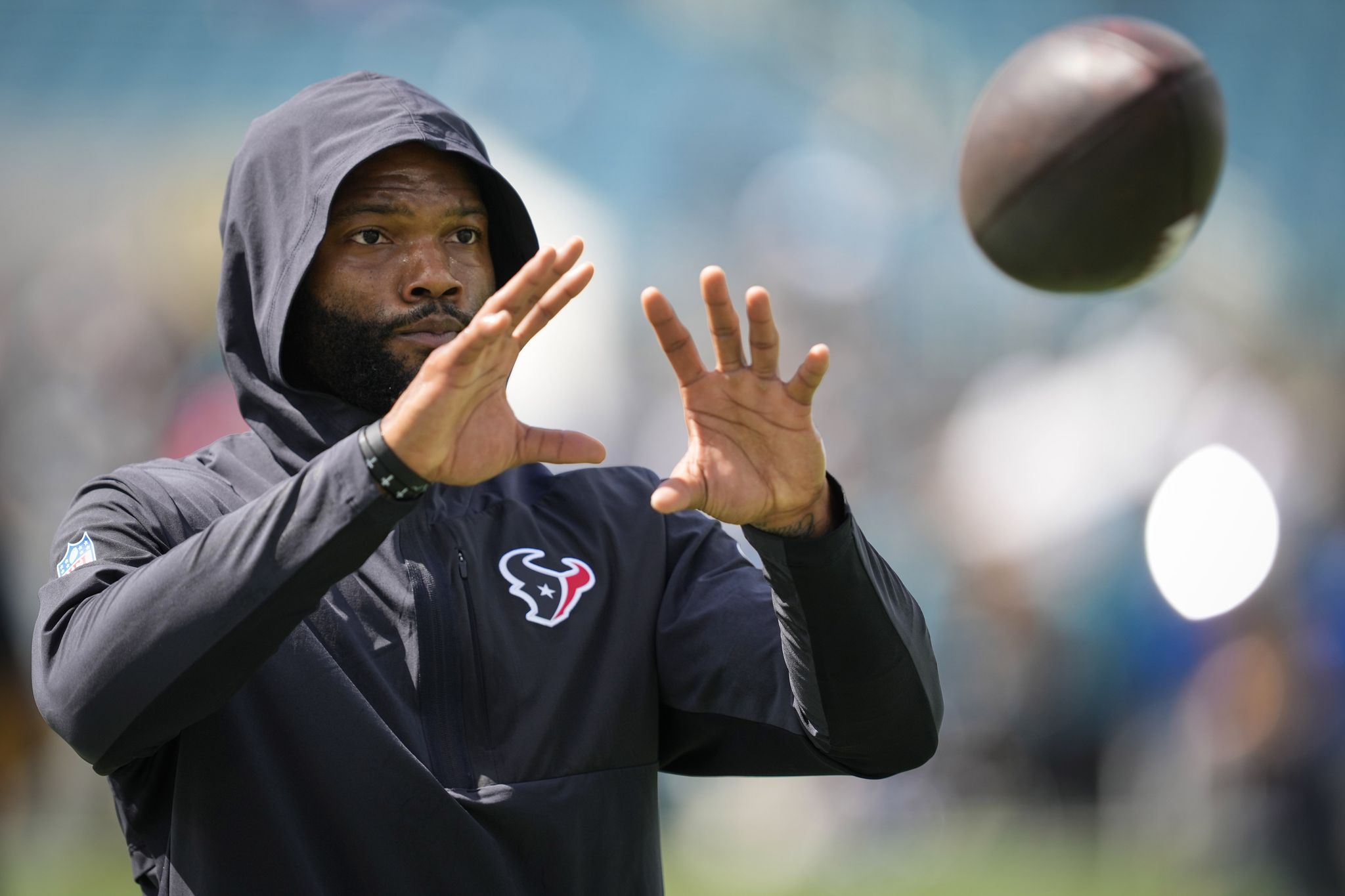
Injuries of this nature often reignite discussions about team depth, training protocols, and the sustainability of depending on one or two star players for offensive success.
Critics are questioning whether Houston’s medical staff should have anticipated this, while others argue that some injuries are simply unavoidable, a harsh reality in the NFL’s physical environment.
Meanwhile, coaches emphasize the importance of mental resilience, pushing remaining players to step up and reminding the team that adversity can sometimes spark unexpected heroes to emerge on game day.
Fans on social media have begun creating memes, videos, and trending hashtags, reflecting both frustration and humor, demonstrating how quickly news can ignite widespread engagement in the digital age.
Fantasy football leagues are experiencing an immediate ripple effect, with Collins’ absence forcing desperate managers to pivot quickly or risk falling behind competitors this week.
NFL commentators predict that Houston’s quarterback will need to adjust throwing patterns, relying more heavily on tight ends and slot receivers, creating a domino effect across the team’s offensive strategy.
Discussions among fans are heated. Some argue for more conservative passing plays to protect inexperienced receivers, while others demand aggressive strategies to maintain offensive production despite Collins’ absence.
The conversation even extends to team ownership and front office accountability, with speculation about roster decisions, draft priorities, and future contracts suddenly taking center stage in public discourse.
With Collins out, every snap becomes crucial. Coaches must balance risk versus reward, knowing that mistakes or turnovers could have disproportionate consequences in a tightly contested AFC matchup.
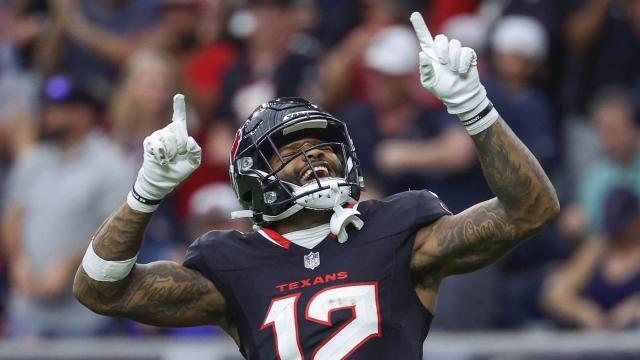
Meanwhile, Patriots analysts are breaking down film and devising schemes to exploit Houston’s adjusted formations, highlighting how one injury can dramatically reshape both teams’ preparation strategies.
The news also reignites debate over player durability in the NFL, questioning whether teams rely too heavily on individual talent rather than building sustainable depth across all positions.
Some fans call for a “next man up” mentality, drawing inspiration from past examples where backups exceeded expectations when star players were sidelined, while skeptics warn that such hope is often overly optimistic.
Houston’s offensive line may feel added pressure as the quarterback attempts to adjust to new targets, demonstrating how one absence can indirectly impact multiple positions and overall game flow.
As Sunday approaches, the intensity of speculation grows. Fans track practice reports, injury updates, and insider scoops, hoping for last-minute news that could alter their expectations or fantasy strategies.

Even players from other NFL teams weigh in on social media, offering opinions or predictions, reflecting the interconnected nature of modern sports discourse and the heightened scrutiny on injuries.
Local Houston media outlets are running extensive coverage, interviews, and analyses, often speculating about tactical adjustments and the mental state of the team, ensuring the story dominates headlines for days.
The broader question arises: Can Houston overcome this setback without compromising their season ambitions? The debate is polarizing, with no clear consensus among analysts or fans.