At just nine years old, Yasmin Howes lived a life full of motion and joy.
Kickboxing classes, swimming sessions, and time with her family filled her days with energy and laughter.
She was strong, active, and fearless.
Nothing about her childhood suggested it was about to be interrupted.
In September 2019, Yasmin began complaining about a dull ache in her left leg.
The pain settled around her knee and came and went at first.
Her family assumed it was nothing serious.
Growing pains or a small strain felt like the most reasonable explanation.
Yasmin kept going.
She attended kickboxing lessons and stayed active despite the discomfort.
But the pain did not fade.
Instead, it slowly grew stronger.
By January 2020, everything changed.
After a walk with her puppy, Yasmin could barely put weight on her leg.
Her family rushed her to A&E.
The doctor suspected a muscle rupture and sent her home with crutches and painkillers.
For a brief moment, they hoped that was the answer.
But Yasmin’s pain only worsened.
Her leg began to swell.
Walking became almost impossible.
Concern turned into fear.
Something was clearly wrong.
A sports physiotherapist finally pushed for urgent imaging.
That insistence changed the course of Yasmin’s life.
An X-ray revealed a growth in her leg.
She was immediately referred to the Nuffield Orthopaedic Centre in Oxford.
More tests followed.
An MRI.
A chest X-ray.
On February 10, Yasmin received her diagnosis.
Osteosarcoma.
A rare and aggressive form of bone cancer.
A word that shattered everything her family believed about the future.
Yasmin’s mother, Louise, remembers the moment clearly.
Her daughter sobbed and asked a question no parent should ever hear.
“Am I going to die?”
The room fell silent.
Fear settled in deeply.
But so did something else.
Strength.
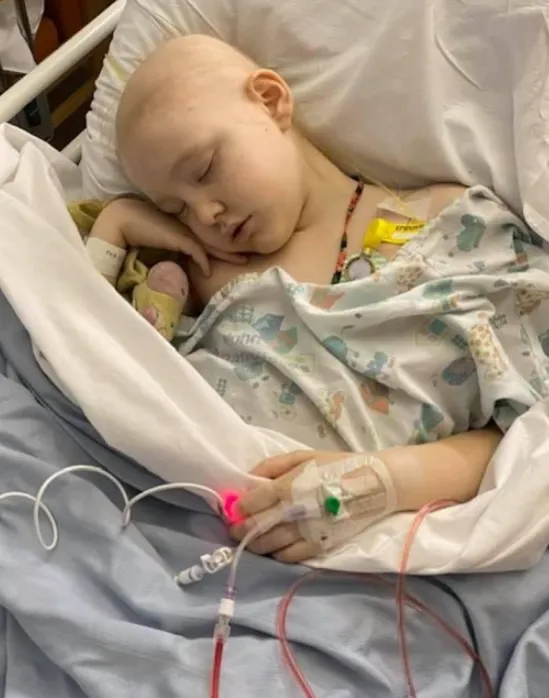
Yasmin’s treatment began immediately.
Doctors created an aggressive plan involving chemotherapy and limb salvage surgery.
Her first round of chemotherapy started just days before the world shut down.
Lockdown began, and hospital walls became her world.
She underwent a brutal six cycle regimen.
Cisplatin.
Doxorubicin.
Methotrexate.
The side effects were relentless.
Nausea.
Vomiting.
Weight loss.
Extreme fatigue.
Yasmin spent more time in hospital than at home.
Her body was constantly fighting both the cancer and the treatment meant to save her.
And yet, she kept smiling.
Even on the hardest days.
Her mother remembers that smile clearly.
A quiet refusal to let cancer take everything.
As chemotherapy continued, doctors delivered difficult news.
The tumour was not shrinking as expected.
Surgery was now unavoidable.
Hope narrowed to one path forward.
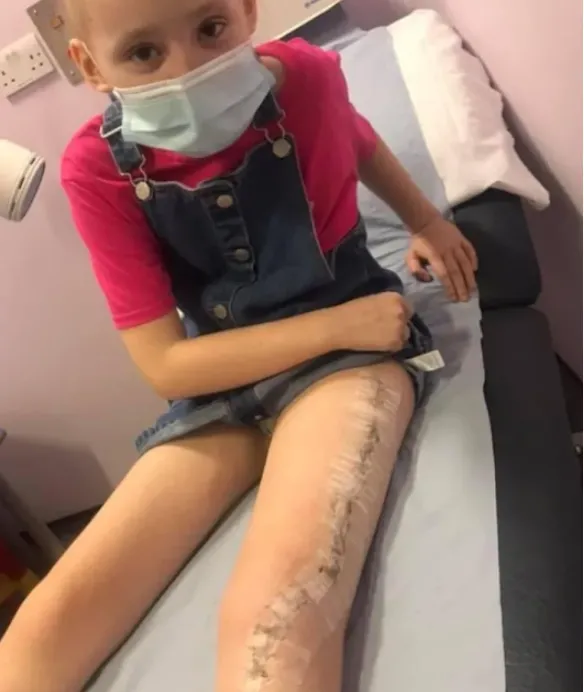
In June 2020, Yasmin underwent limb salvage surgery.
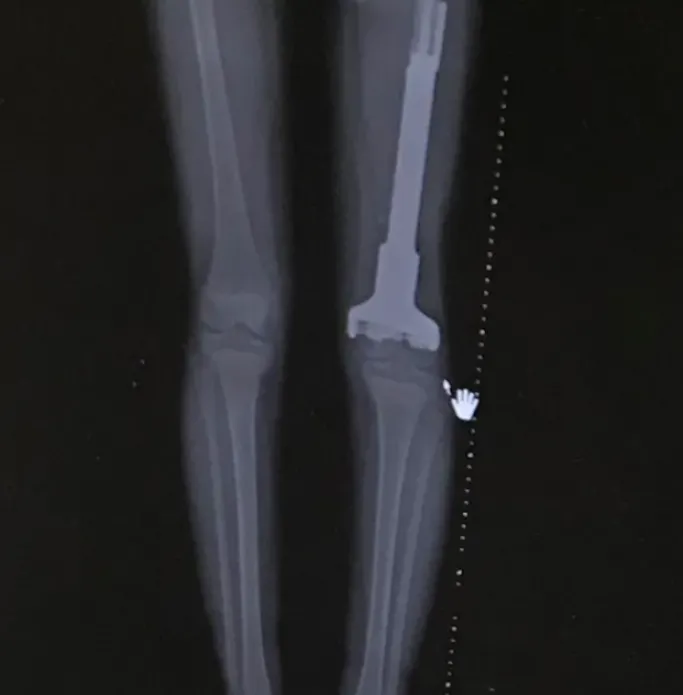
Surgeons removed part of her left femur.
They replaced it with a magnetically adjustable titanium prosthesis.
A leg designed to grow as she did.
The operation was long and intense.
But it removed the cancerous tumour.
For the family, it marked a turning point.
A moment of cautious relief.
But the journey was far from over.
More chemotherapy followed.
Additional immunotherapy added to the strain.
Yasmin’s body was pushed again and again.
Recovery brought new challenges.
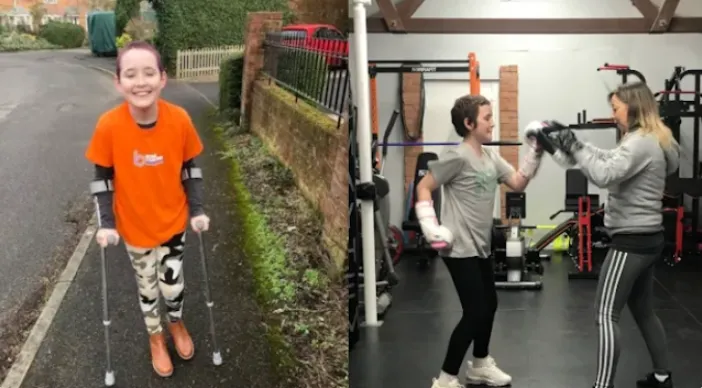
Learning to live with a prosthetic leg changed everything.
There were days filled with frustration.
Days when she could not play like her friends.
Sports became distant.
Normal childhood felt just out of reach.
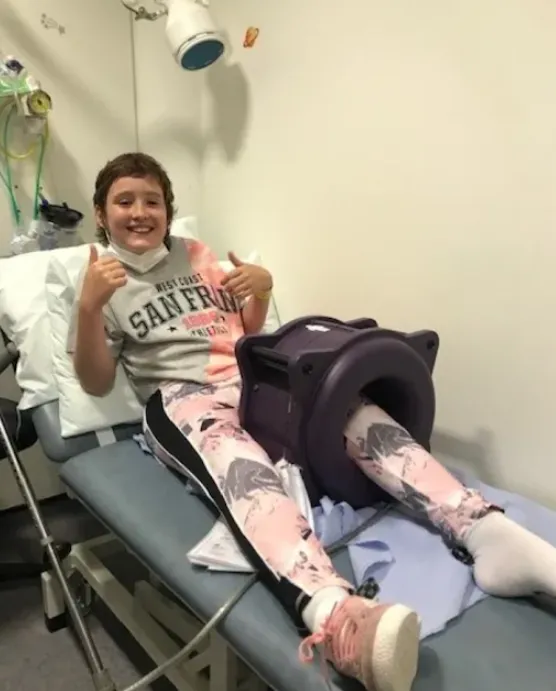
But Yasmin refused to retreat.
She adapted.
She learned how to move differently.
How to be strong in new ways.
Her family stood beside her constantly.
Their love became her anchor.
Month by month, treatment continued.
Each scan brought fear and hope in equal measure.
Then, near the end of 2020, the words finally came.
Cancer free.
The relief was overwhelming.
Tears replaced fear.
Yasmin had survived.
But survival did not mean the end of her journey.
Rehabilitation continued.
Strength had to be rebuilt slowly.
Life with a prosthetic leg required patience.
And courage.
Yasmin showed both.
Every single day.
Today, she is more than a survivor.
She is an advocate.
She speaks openly about her experience.
She urges others not to ignore pain or warning signs.
Early diagnosis matters.
Listening to your body can save a life.
Yasmin knows this firsthand.
Her story proves it.
She reminds others that cancer does not define who you are.
Strength does.
“Never give up,” she says.
“You are stronger than you think.”
Her journey has inspired many.
Not because it was easy.
But because she endured.
With courage far beyond her years.
Yasmin’s story is a reminder.
That even in childhood, resilience can be extraordinary.
Pain may change the path.
But it does not erase the future.
With the love of her family and her unbreakable will, Yasmin keeps moving forward.
Not just as a survivor.
But as a warrior.
He Was Born Too Soon, Lost His Twin, and Fights Every Day Just to Move — The Quiet Courage of Little Francis Sobecki
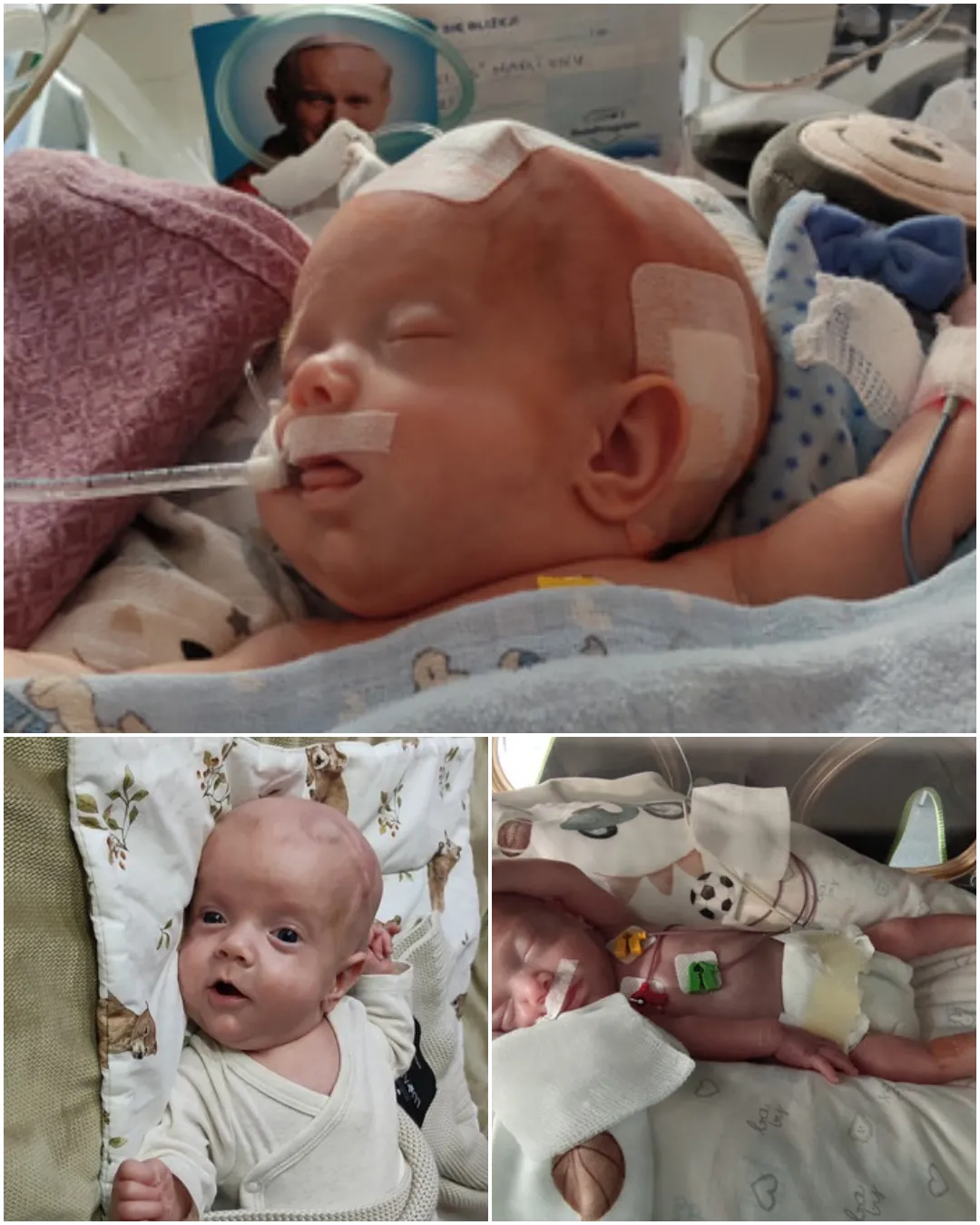
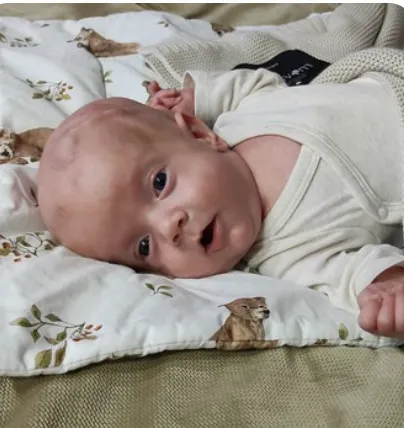
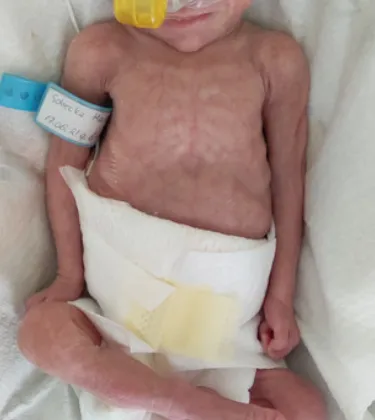
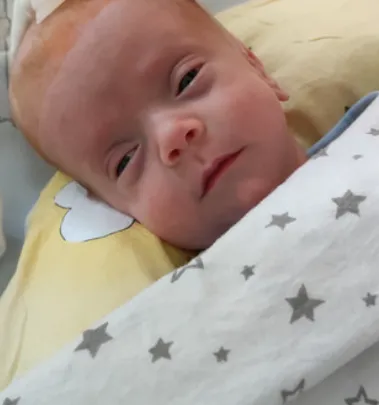
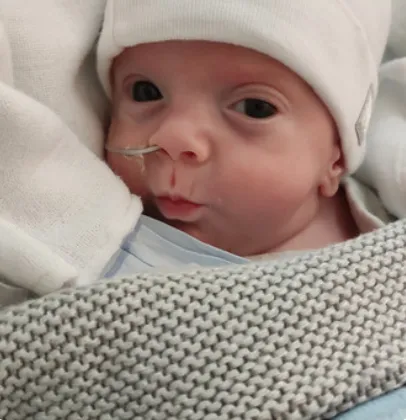
Francis Sobecki entered the world far earlier than he should have.
At just 26 weeks of pregnancy, his life began not with celebration, but with urgency, alarms, and whispered prayers.
This was meant to be a shared beginning.
Francis was a twin, and his parents imagined two tiny lives growing side by side, reaching milestones together.
That future disappeared within 24 hours.
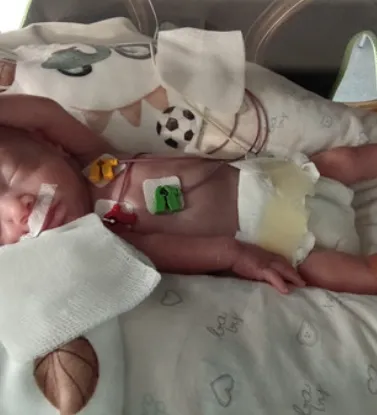
Francis’s twin brother passed away just one day after birth, leaving Francis alone in an incubator, fighting a battle no newborn should face.
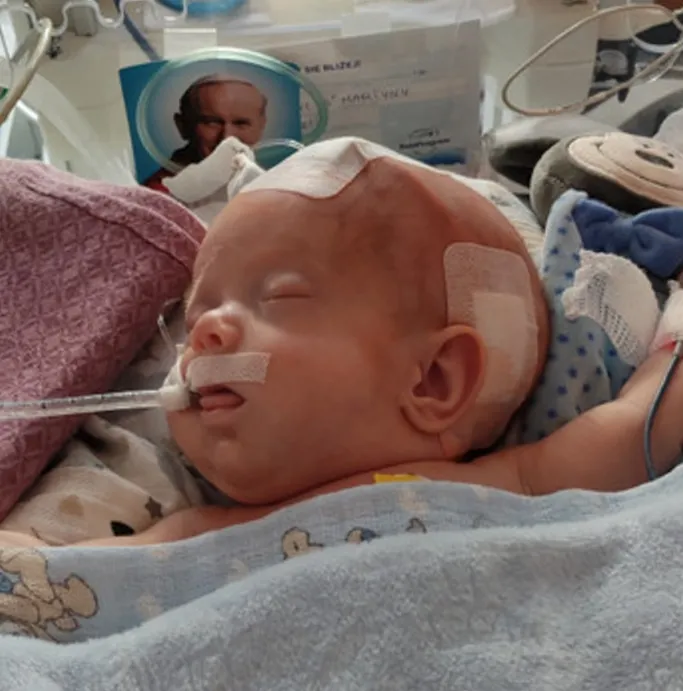
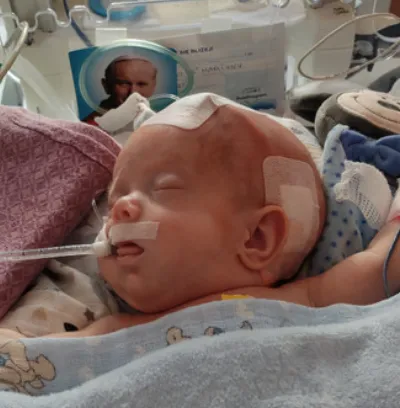
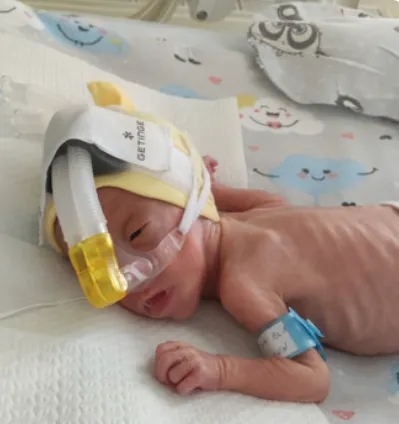
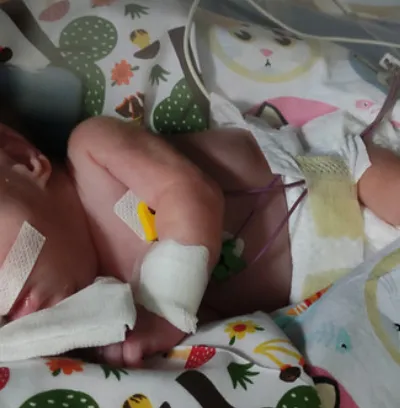
The first days of his life were a blur of machines, wires, and critical decisions.
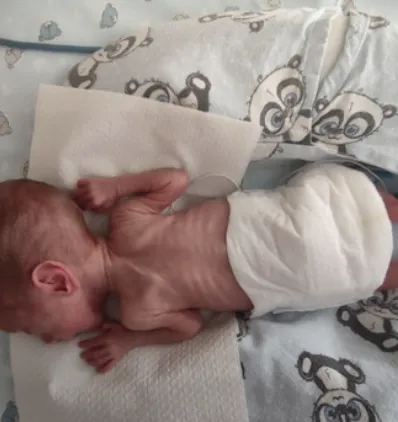
Francis’s body was fragile, unfinished, struggling to adapt to a world it was not ready for.
Doctors soon discovered severe complications.
Francis suffered grade III and IV brain hemorrhages — the most serious forms, carrying devastating long-term consequences.
The bleeding caused post-hemorrhagic hydrocephalus.
Fluid built up inside his brain, putting pressure on delicate tissue and threatening his survival again and again.
Over the next six months, the hospital became his home.
Francis lived between operating rooms, intensive care units, and constant monitoring.
Doctors saved his life multiple times.
Each day felt uncertain, measured not in progress, but in survival.
Before his first birthday, Francis had already undergone more surgery than many adults will face in a lifetime.
Three neurosurgical procedures were required to protect his brain.
He also endured surgery for retinopathy of prematurity.
A condition that threatened his eyesight, caused by the very oxygen that helped keep him alive.
Another operation followed to repair an inguinal hernia.
All of this happened before Francis could walk, speak, or even understand pain.
Blood transfusions became routine.
So many that his parents eventually lost count.
Every procedure carried risk.
Every recovery demanded strength from a body that barely weighed a few kilograms.
While other babies were learning to crawl, Francis was learning to survive.
His milestones were measured in heartbeats that held steady and nights without alarms.
When Francis finally left the hospital, the battle did not end.
It simply changed form.
Doctors delivered a diagnosis that would follow him for life.
Cerebral palsy.
There is no cure.
Only management, therapy, and endless effort.
Francis has right-sided hemiplegia.
Half of his body does not respond the way it should.
Simple actions most children never think about are daily challenges for him.
Getting dressed.
Climbing stairs.
Running, jumping, riding a bicycle — these are not moments of play.
They are obstacles.
Every movement requires concentration.
Every success costs energy far beyond what it appears.
Francis works harder than most people ever will, just to achieve what others call normal.
And he does it quietly.
Today, at just four years old, Francis is under the care of multiple specialists.
Neurosurgeons.
Neurologists.
Ophthalmologists.
Cardiologists.
Audiologists.
Speech therapists.
Physiotherapists.
His life runs on schedules and sessions.
Appointments replace playdates.
Rehabilitation is not optional.
It is essential.
Every day, Francis undergoes therapy to prevent his body from losing what little mobility it has.
Muscles must be trained, stretched, supported.
Special compression suits help stabilize his posture.
Orthopedic braces support limbs that cannot support themselves.
Standing frames allow his body to experience what standing should feel like.
Even when his muscles resist.
These tools are not luxuries.
They are necessities.
Without them, Francis risks losing mobility permanently.
Without them, his future becomes narrower.
The cost of this care is overwhelming.
Rehabilitation sessions, specialized equipment, constant medical oversight.
For a child who needs support for years — possibly a lifetime — the expenses never truly stop.
They simply continue.
Francis’s parents do not speak of miracles.
They speak of consistency.
They do not ask for shortcuts.
They ask for a chance.
In therapy rooms, Francis tries again and again.
He falls.
He struggles.
And then he tries again.
Some days are harder than others.
Some days his body refuses to cooperate.
But Francis does not give up.
He has learned resilience before he learned fear.
There is a quiet courage in children like Francis.
They do not understand how unfair their journey is.
They simply accept it as their reality.
And they move forward anyway.
Francis smiles easily.
Laughs freely.
He does not see himself as different.
He only knows effort.
His parents watch him closely.
They celebrate victories others might overlook.
A steadier step.
A clearer word.
A movement that comes a little easier than yesterday.
These moments matter.
They are proof that effort is not wasted.
That persistence shapes futures.
But persistence alone is not enough.
Support matters.
Rehabilitation must be continuous.
Interruptions can erase months of progress.
That is why Francis’s family shares his story.
Not to inspire pity.
But to invite understanding.
And support.
They know generosity does not come from obligation.
It comes from connection.
From seeing a child not as a diagnosis, but as a life still unfolding.
Francis lost his twin before he ever knew him.
He lost the chance at an easy beginning.
But he did not lose his will.
And he did not lose hope.
Every donation helps maintain his therapy.
Every contribution keeps his future open.
Each act of kindness becomes part of his journey.
A journey that began far too soon, but continues with strength.
Francis may never run the fastest.
He may never climb without effort.
But he will keep moving forward.
One step at a time.
His story is not about tragedy.
It is about endurance.
It is about a child who refuses to be defined by what his body cannot do.
And a family that refuses to stop fighting for him.
Francis Sobecki is four years old.
And every single day, he chooses to keep going.
Quietly.
Bravely.
And sometimes, that is the most powerful courage of all.