A New Chapter Begins at Ford Field
When the final whistle echoes through Ford Field, most fans stream toward parking lots and rideshares, their cheers fading into the cool Detroit night air.
But now, as the crowd disperses, something extraordinary unfolds beneath the stadium’s glowing lights, reshaping what community partnership can look like in professional sports.

The Detroit Lions have announced a groundbreaking initiative: hiring homeless individuals to help clean the stadium after each weekend home game.
The program offers $20 an hour, along with hot meals and drinks, creating not just temporary employment but an unexpected pathway toward stability and restored self-worth.
From Overlooked to Essential
For years, many of these men and women have existed on the periphery of public life, often invisible to the very crowds that fill downtown sidewalks on game day.
Now, under bright stadium lights, they step into roles that carry responsibility, purpose, and recognition—no longer unseen, but essential to restoring order after the roar of competition subsides.
Brooms sweep rows of empty seats. Trash bags fill with discarded programs and cups. The rhythm of work replaces the noise of celebration.
What was once overlooked labor now becomes a shared act of dignity between franchise and city.
The Vision Behind the Initiative
Team executives describe the program as an intentional effort to address homelessness at a local level rather than relying solely on distant policy debates.
By partnering with Detroit-based outreach organizations, the Lions created a structured system ensuring participants receive fair pay, meals, and connections to support services.

The initiative aligns with broader community engagement efforts that professional franchises increasingly prioritize, recognizing their influence beyond wins and losses.
In a city known for resilience, the move feels both symbolic and practical.
Earning Income, Reclaiming Dignity
Twenty dollars an hour represents more than compensation; it represents affirmation that work has value and that contribution deserves respect.
Participants describe the opportunity as a turning point, allowing them to purchase essentials, save modest amounts, and feel part of something larger than themselves.
Hot food served after shifts becomes more than nourishment—it becomes acknowledgment.
In those shared meals, conversations spark about housing, employment goals, and second chances.
A Stadium Transformed After Midnight
As the stands empty, the atmosphere shifts from spectacle to restoration.
Under sweeping lights, workers move methodically across concrete and turf edges, restoring the venue for its next chapter.
Security personnel nod in greeting. Supervisors provide guidance without condescension.
What once felt like a silent, invisible cleanup operation now carries visible humanity.

The stadium becomes not just a sports arena, but a workplace of opportunity.
Community Reaction: Applause and Questions
Social media erupted with praise as news of the initiative spread, with thousands applauding the Lions for taking tangible action rather than issuing statements alone.
Yet some observers raised questions about sustainability and scale, asking whether part-time cleanup shifts can truly address systemic homelessness.
Advocates caution that employment must connect to long-term housing solutions to create lasting change.
The debate underscores both excitement and realism about what sports franchises can accomplish.
The Economic Impact on Individuals
For someone without stable housing, even a few consistent shifts per month can mean access to identification documents, transportation passes, or security deposits.
Financial stability, however incremental, builds confidence and opens doors to broader opportunities.
Local nonprofits involved in the program report increased engagement from participants seeking additional job training and counseling services.
A paycheck becomes a stepping stone rather than an endpoint.
Changing the Narrative Around Homelessness
Homelessness is often framed solely through statistics or crisis imagery, obscuring the individuality and potential within each person.
By integrating workers into visible roles at a beloved sports venue, the Lions challenge assumptions about capability and worth.
Fans who once hurried past individuals on sidewalks may now witness them contributing directly to the team’s operations.
That visibility can reshape perceptions, humanizing a population too often reduced to stereotypes.
A Model for Other Franchises?
Across the National Football League, teams increasingly explore community-driven initiatives to strengthen local ties.
Observers now speculate whether similar employment programs could expand league-wide, leveraging stadium operations as platforms for social impact.

Replication would require careful coordination, fair wages, and partnerships with credible service organizations.
If successful, the Lions’ initiative could inspire a broader movement within professional sports.
Critics Urge Structural Reform
Not all reactions are celebratory. Some housing advocates argue that corporations should invest directly in affordable housing projects rather than short-term employment programs.
They emphasize that stable shelter remains the cornerstone of long-term recovery from homelessness.
While praising the wages offered, critics warn against viewing the initiative as a complete solution.
The tension highlights a broader conversation about corporate responsibility and systemic change.
Voices from the Workforce
Several participants describe the first night of work as transformative.
One worker shared that wearing a staff badge inside the stadium where he once slept outside marked a deeply emotional shift.
Another explained that earning wages in a structured environment restored confidence eroded by months of rejection.

These stories resonate because they reveal resilience often hidden behind hardship.
Under bright lights, quiet determination becomes visible.
More Than a Game-Day Cleanup
As dawn approaches and the stadium stands spotless once more, the impact of the night’s labor extends far beyond polished aisles.
The initiative reframes what post-game silence can represent: not emptiness, but renewal.
For the Lions, it signals a commitment to community beyond slogans.
For participants, it offers a tangible step toward stability.
And for Detroit, it becomes a powerful reminder that dignity can be rebuilt in unexpected places.
In a league defined by competition, this effort stands as a different kind of victory—one measured not in touchdowns, but in restored hope and shared humanity.
The Night Hope Became Tangible: DJ Daniel’s Breakthrough Is Shifting the Fight — and Igniting a National Conversation – haluxury

Tonight feels different, and not in the fragile, cautious way supporters have grown used to, but in a way that carries weight, substance, and the unmistakable shift of something turning.
After months defined by uncertainty, punishing treatments, and sleepless nights filled with more questions than answers, DJ Daniel’s family has received news they once barely dared to whisper aloud.
Doctors have confirmed a major medical breakthrough, the kind that does not erase the battle but undeniably changes its direction in a powerful and measurable way.
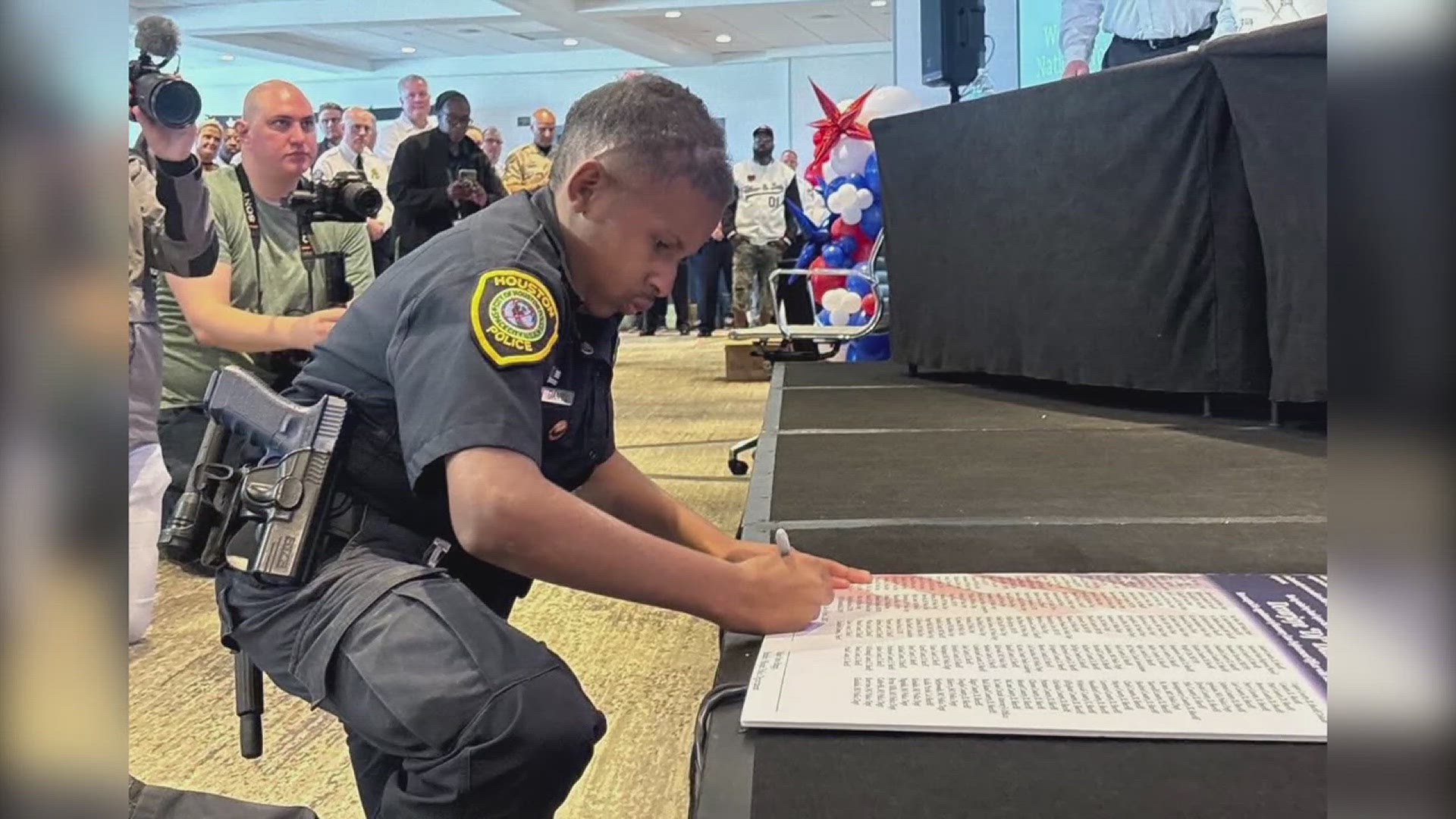
The most aggressive aspects of his condition have responded successfully to treatment, signaling a response that many feared might never fully materialize.
For a long stretch of this journey, hope felt like glass, visible yet fragile, something that could shatter with a single unexpected update.
Now, hope feels tangible, grounded not in speculation or optimism alone, but in clinical evidence that progress is real and momentum is building.
This development strengthens DJ’s position as he enters the next stage of care, offering the clearest sign yet that the tide may finally be turning.
The fight is not over, and no responsible voice is declaring victory prematurely, yet this moment represents something undeniable: forward movement.

Momentum in medical battles is not a poetic metaphor but a strategic advantage, altering treatment paths, risk assessments, and the emotional calculus of everyone involved.
Behind every sterile clinical phrase announcing “successful response” lies a story soaked in endurance that few outside hospital walls can fully comprehend.
There is the story of a young fighter who endured procedures, side effects, and exhaustion that would test even the strongest adult.
There is the story of a family that refused to let fear dominate dinner tables, late-night conversations, and whispered prayers in quiet hospital corridors.
There is the story of a medical team that never stopped recalibrating strategies, analyzing data, and pushing forward when results seemed painfully slow.
When science works quietly, its victories are often understated, buried beneath technical language that fails to capture the emotional earthquake beneath the surface.
Tonight, however, that quiet work is reverberating far beyond medical charts and into a digital world eager for a story that feels like triumph.
Social media erupted within minutes of the confirmed breakthrough, with supporters calling it a miracle, a turning point, and proof that perseverance matters.
Others urged restraint, warning against framing complex medical progress as a cinematic comeback before the full journey unfolds.
The debate itself underscores how invested people have become in DJ’s story, transforming a personal health battle into a collective emotional experience.
For months, updates have swung between cautious optimism and sobering reality, creating a psychological rollercoaster that followers have ridden in real time.

This time feels different because the language has changed from stabilization to response, from managing symptoms to altering trajectory.
That distinction matters profoundly in serious medical cases, where shifting the direction of disease progression can redefine what is possible.
Yet progress does not cancel risk, and breakthroughs do not eliminate vigilance, a reality that responsible observers continue to emphasize.
The tension between celebration and caution has fueled intense online discussion, revealing how society struggles to sit comfortably in nuanced victories.
Some demand unfiltered joy, insisting that any step forward deserves loud and unapologetic celebration.
Others argue that measured optimism protects families from emotional whiplash should setbacks arise later.

Both perspectives carry weight, and both reflect the raw vulnerability embedded in long-term medical journeys.
For DJ’s family, however, this moment is not theoretical or rhetorical, but deeply personal and transformative.
After enduring months where progress felt incremental at best, hearing confirmation that aggressive elements have responded to treatment alters the emotional landscape dramatically.
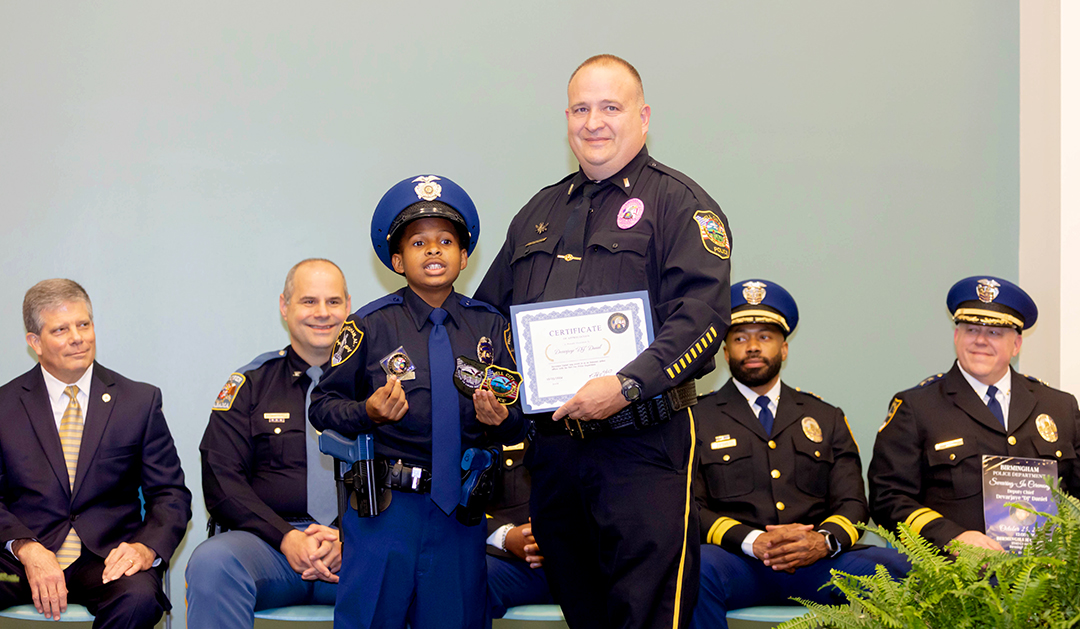
Hope is no longer abstract or aspirational, but anchored in data, scans, and expert evaluations that point toward genuine improvement.
This does not mean fear disappears overnight, because anyone who has navigated serious illness understands that caution remains a constant companion.
But it does mean that courage and science have intersected in a way that produces measurable change.
There are times when courage sustains families through dark stretches where evidence feels scarce and faith does most of the heavy lifting.
There are times when science advances quietly, methodically, without fanfare, slowly building toward a breakthrough that outsiders may never see coming.
And sometimes, as tonight proves, those forces meet in the same moment and create something powerful enough to shift an entire narrative.
The emotional impact of this breakthrough extends beyond one household, because DJ’s journey has become symbolic for many facing their own battles.
Supporters see in his progress a reflection of their own struggles, their own nights of uncertainty, and their own fragile hopes waiting for validation.
That emotional identification explains why this update has already begun trending, sparking conversations that stretch far beyond medical specifics.
It also raises important questions about how we consume stories of illness in the digital age.
Do we celebrate breakthroughs as communal victories, or do we risk oversimplifying deeply complex realities into viral inspiration?
Are we prepared to support families through the slow, less glamorous phases that follow headline-worthy progress?
These questions are not meant to dampen celebration but to deepen understanding of what real recovery often entails.
Momentum is powerful, but it requires sustained effort to maintain, especially when the next stage of care introduces new challenges and adjustments.
Doctors will continue monitoring closely, recalibrating treatments, and ensuring that this positive response translates into long-term stability.
Families will continue balancing gratitude with vigilance, knowing that resilience must remain active even during moments of relief.
The public, meanwhile, faces a choice in how it engages with this breakthrough.
It can amplify verified information responsibly, honoring the significance of the progress without distorting it into unrealistic certainty.
Or it can succumb to speculation, dramatization, and premature conclusions that complicate an already demanding journey.
What remains undeniable is that tonight marks a pivotal chapter in DJ Daniel’s fight.
For the first time in months, hope does not feel like a fragile wish but like a grounded possibility supported by evidence.
That shift alone carries emotional magnitude that cannot be overstated.
The road ahead still stretches forward with unknown twists, yet the direction now feels less daunting than it did before.
Science has done its work, courage has carried its weight, and together they have produced a moment that resonates far beyond clinical walls.
In a world saturated with divisive headlines and fleeting controversies, this breakthrough commands attention because it speaks to something universally human.
It reminds us that endurance matters, that persistence can align with progress, and that sometimes the tide really does begin to turn. Tonight feels different because it is different. Not final, not flawless, not free from risk. But undeniably forward.