LIVERPOOL READY TO “SELL TO REBUILD” FOR JULIÁN ÁLVAREZ IN €120M GAMBLE
In what could become one of the most explosive transfer stories of the 2026 summer window, Liverpool FC are reportedly preparing a bold, high-risk move to land Julián Álvarez from Atlético Madrid for a fee that could reach €120 million.
This is not a routine upgrade. It is a strategic reset.

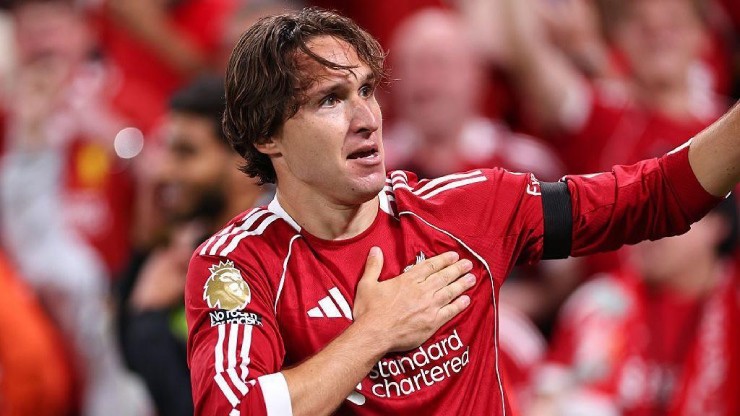
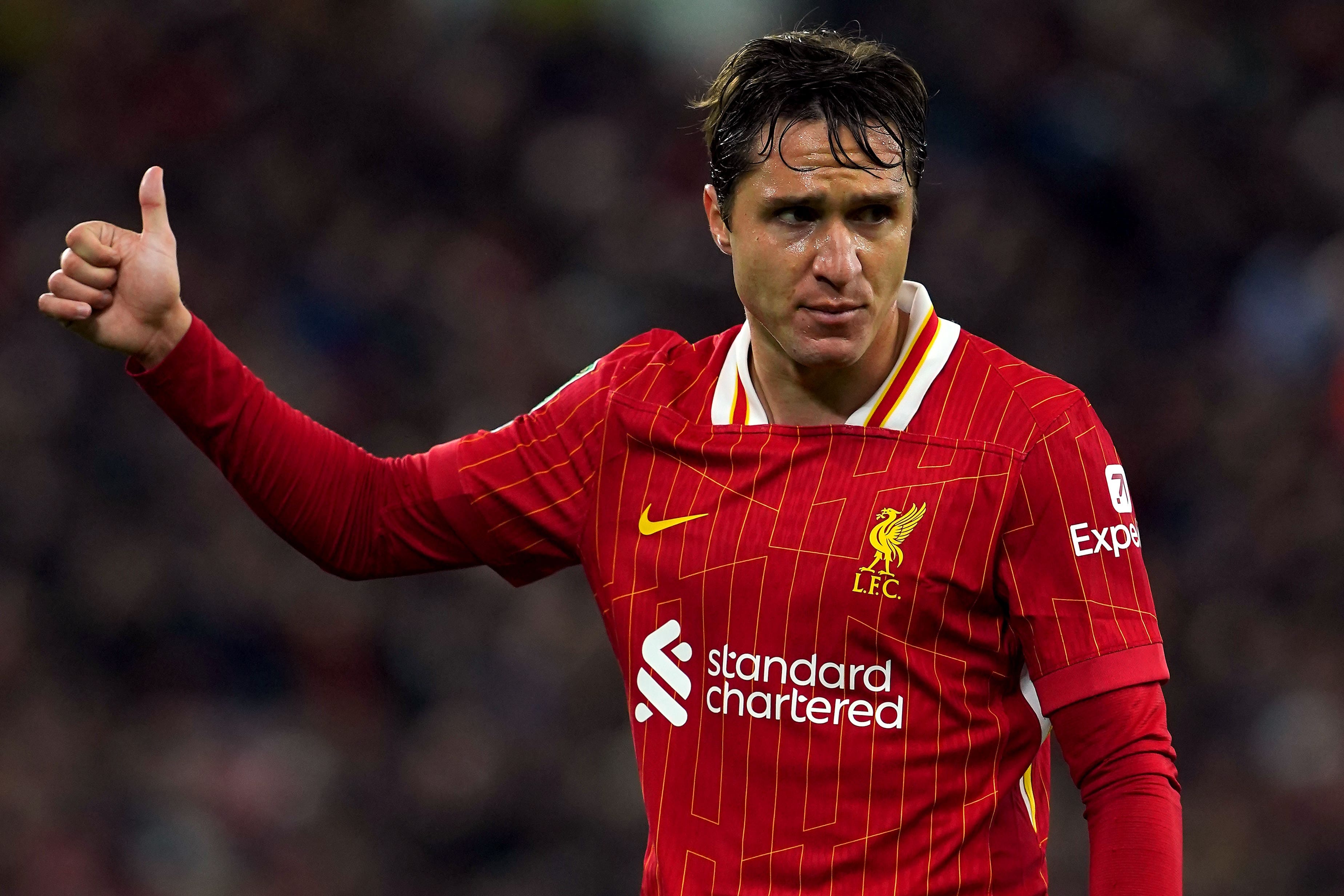
Sources suggest Liverpool are seriously considering offloading key attacking pieces—including Alexis Mac Allister and Federico Chiesa—to finance the deal, signaling a willingness to sacrifice depth and familiarity for what they believe could be a transformative centerpiece in Álvarez.

The message from Anfield is clear: evolution over comfort.
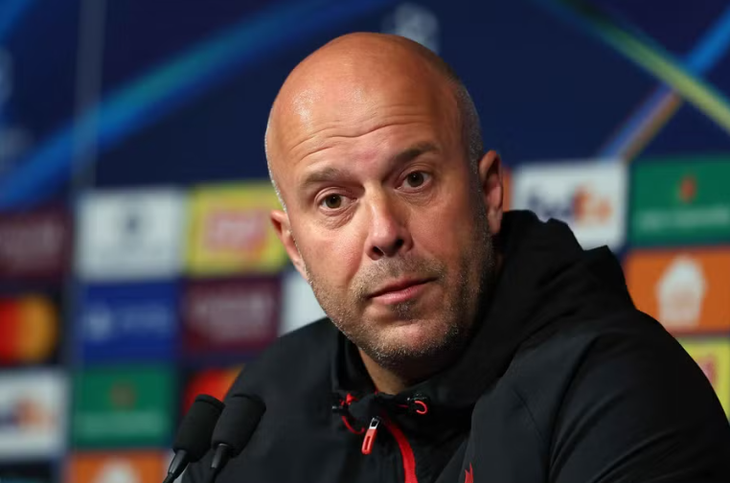
At the heart of the plan is manager Arne Slot, who is believed to view Álvarez as an ideal fit for his high-intensity, fluid attacking system. Unlike traditional No. 9s, Álvarez offers mobility, pressing intelligence, and positional flexibility—traits that align closely with Slot’s tactical identity.
The Argentine forward has been in electric form in Spain, combining relentless work rate with clinical finishing. His ability to drop deep, link play, and then explode into scoring positions has made him one of the most complete forwards in Europe right now.

For Liverpool, that profile represents more than talent—it represents direction.
But the path to securing Álvarez is anything but simple.
Offloading Mac Allister and Chiesa would mark a significant shift in squad structure. Mac Allister, once a central creative force, has reportedly struggled to maintain the same influence and consistency that defined his earlier seasons. Meanwhile, Chiesa’s time at Liverpool has been disrupted by injuries and uneven performances, limiting his overall impact since arrival.
Neither player lacks quality. The issue, according to insiders, is reliability.
In a system that demands constant movement, pressing, and tactical discipline, inconsistency becomes a structural problem—not just an individual one.
That reality appears to be driving Liverpool’s willingness to consider difficult decisions.
Still, the proposed strategy raises serious questions.

Selling two high-profile players to fund a single marquee signing is the kind of move that can redefine a team—or destabilize it. Depth is often the hidden currency of title contenders, and sacrificing it for a single attacking focal point introduces risk, particularly in a league as physically demanding as the Premier League.
There is also the question of adaptation.
While Álvarez has thrived in La Liga, the Premier League presents a different challenge—faster tempo, greater physicality, and less margin for tactical adjustment. Even elite players can require time to fully integrate.
Liverpool, however, appear willing to bet on his ceiling rather than hedge against uncertainty.
Complicating the narrative further are conflicting reports linking Arsenal FC to parts of this evolving situation. Some sources suggest that if Liverpool proceed with their sales, Arsenal could emerge as a potential destination for one of the departing players, rather than a direct participant in the Álvarez deal itself.
That distinction matters.

Initial rumors of Arsenal funding Liverpool’s move appear to be more speculative than concrete. What is clearer is that the transfer market ecosystem around this deal could trigger a chain reaction involving multiple top clubs.
As for Álvarez, his current club Atlético Madrid are under no immediate pressure to sell. Any negotiation would likely be complex, with structured payments, performance clauses, and potential add-ons playing a key role in reaching a final agreement.

From Atlético’s perspective, losing a player of Álvarez’s profile would require not just financial compensation, but a clear sporting plan to replace his output and tactical value.
Back at Anfield, the stakes are becoming increasingly defined.
This is not just about signing a striker. It is about reshaping identity.
Under Arne Slot, Liverpool are transitioning into a new era—one that prioritizes coordinated pressing, positional fluidity, and attacking efficiency. Álvarez is seen not just as a goal scorer, but as a system player capable of elevating those principles.

If the move succeeds, Liverpool could emerge with a more dynamic, cohesive attacking unit built around a single, versatile focal point.
If it fails, they risk losing both depth and balance in pursuit of a solution that may take time to materialize.
That is the gamble.
Around Europe, reactions are mixed. Some analysts view the potential deal as visionary—an aggressive move to stay ahead of tactical evolution. Others see it as unnecessarily risky, particularly given the volatility of form and fitness across a long season.
But Liverpool have rarely been a club that shies away from bold decisions.
From transformative signings to unexpected departures, their recent history is built on calculated risks that often reshape competitive landscapes.
This summer may be no different.
For now, negotiations remain in early stages, and no official bids have been confirmed. But the intent is unmistakable.
Liverpool are exploring a move that could redefine their attack—and potentially the balance of power in the Premier League.
At Anfield, the message is echoing louder with each passing day.
Change is coming.
The only question is whether it will be remembered as a masterstroke—or a risk that went too far.