BREAKING: Liverpool F.C. PREPARE €90 MILLION OFFER FOR Anthony Gordon – THE “SON OF MERSEYSIDE” IN SIGHT
Liverpool are no longer operating in the shadows.
Multiple senior sources across England indicate that the Anfield hierarchy is prepared to submit a formal €90 million bid to Newcastle United F.C. for Anthony Gordon, identifying the winger as the cornerstone of their attacking rebuild ahead of the new Premier League campaign.
This is not opportunistic interest. This is targeted recruitment.
Inside Anfield, Gordon is viewed as more than a wide forward with pace and work rate. He is seen as a cultural fit, a player raised on Merseyside who understands the weight of the shirt and the rhythm of the Kop.

He is, as some within the club describe him privately, “a long-term identity signing.”
Liverpool’s willingness to escalate to €90 million signals urgency. After a transitional season that exposed the need for renewed verticality and directness in the final third, the recruitment team have zeroed in on Gordon’s profile: explosive acceleration, relentless pressing, and the ability to destabilize defensive blocks in one-versus-one scenarios.
At 24, he is entering his athletic prime.
At Newcastle, Gordon has evolved into one of the Premier League’s most aggressive transitional attackers. Under Eddie Howe, he sharpened his defensive intensity, improved his decision-making in tight spaces, and became a consistent outlet in high-tempo matches.

His output has matched his energy.
And Liverpool have taken notice.
However, the negotiation is anything but straightforward.
Newcastle’s response has been firm, structured, and financially layered. While the headline €90 million figure has drawn attention, sources indicate the Tyneside club are demanding significant conditional bonuses before sanctioning any sale.
The framework reportedly includes:
• An additional £10 million if Liverpool win the Premier League.
• A further £20 million if Liverpool lift the UEFA Champions League during Gordon’s contract period.
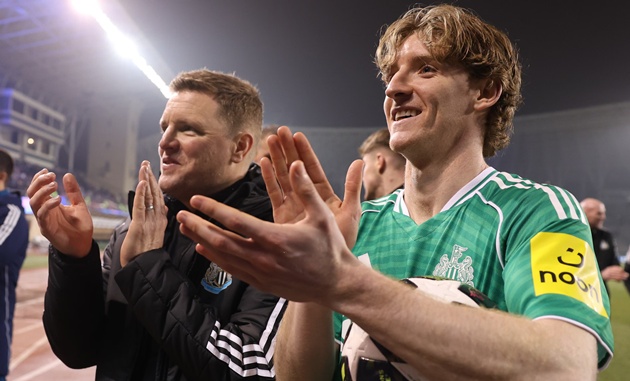
Those clauses are not symbolic. They represent Newcastle’s belief that if Gordon becomes a catalyst in title-winning success, they must share proportionally in that triumph.
From a negotiating standpoint, it is a statement of valuation.
Newcastle do not want to sell.
But they will consider it — at the right price, and on the right terms.
The most dramatic twist, however, centers on Gordon himself.
According to sources close to the player, Gordon is open to the move — emotionally and professionally — but has outlined firm personal conditions that have stunned many across the league.
One reported message attributed to the winger has echoed through the rumor mill:

“I will go to Liverpool if they give me the right to decide whether to come on or off the pitch in each game and give me the salary I want.”
If accurate, that demand introduces a fascinating power dynamic.
In modern elite football, no manager relinquishes substitution authority to a player. Tactical control remains sacred. Whether this is negotiation posturing or a misinterpreted signal about guaranteed playing time remains unclear.
What is certain is that Liverpool’s managerial structure — now evolving in the post-Guardiola-dominant era of the Premier League — prioritizes collective discipline over individual leverage.
Granting matchday autonomy would be unprecedented at this level.

Yet Gordon’s confidence reflects his trajectory. He no longer views himself as a developmental prospect. He sees himself as a decisive attacking pillar.
At Liverpool, he would likely operate from the left channel, cutting inside, attacking half-spaces, and contributing to high-press triggers that define Anfield’s intensity. His familiarity with the city — and his well-documented support for Liverpool in his youth — adds emotional gravity to the potential move.
Supporters have already begun framing the narrative as a homecoming.
But sentiment does not close deals.
Financial structure does.
Newcastle remain under no immediate pressure to sell. Backed by ambitious ownership and seeking to cement their position among England’s elite, they understand Gordon’s market value — particularly to a domestic rival.
Selling to Liverpool would not merely strengthen another club. It would directly impact the competitive landscape.
That is why the add-ons are aggressive.
That is why the negotiation is tense.
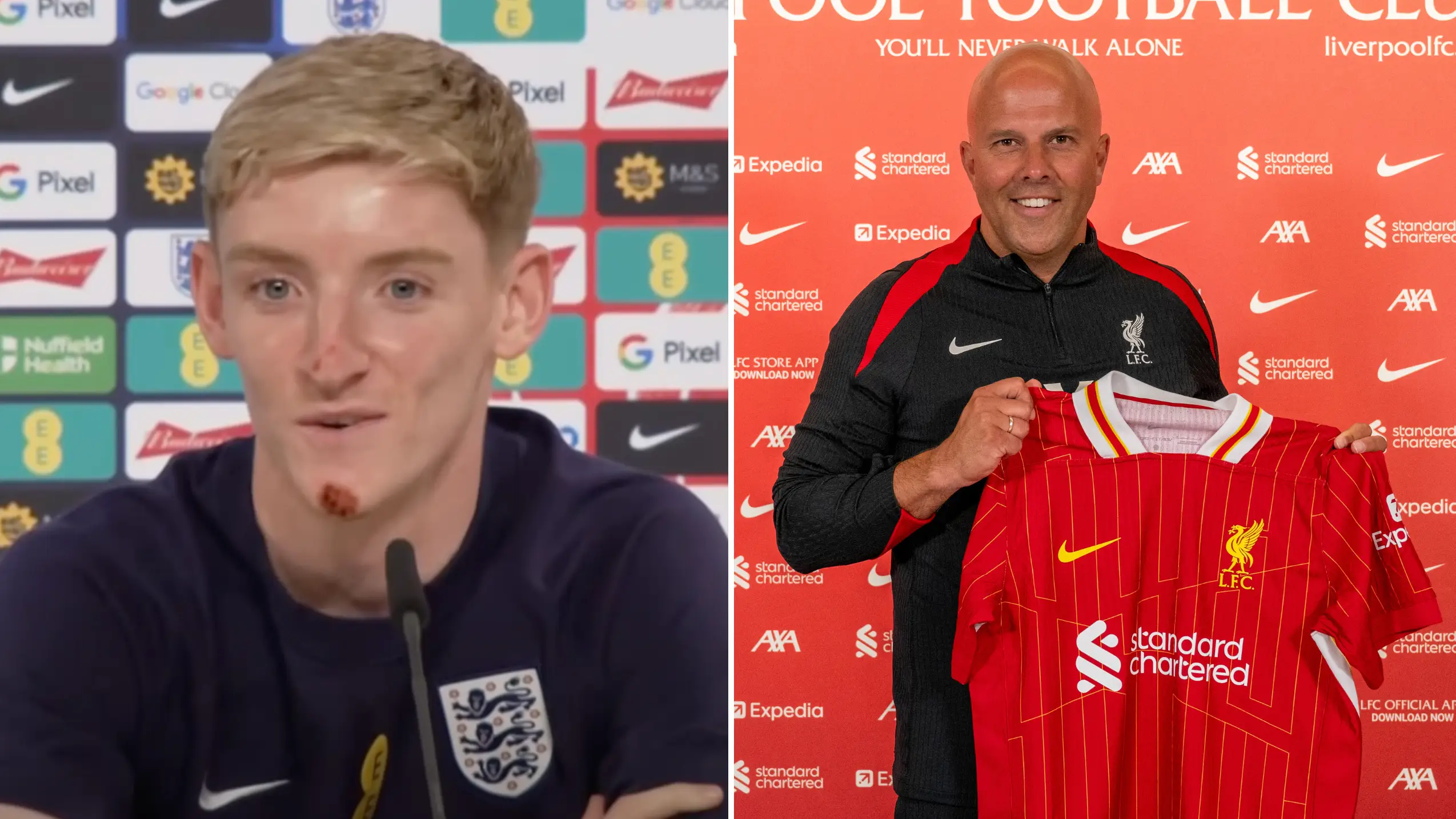
Behind the scenes, intermediaries are working to bridge the gap between guaranteed fee and performance-related bonuses. Liverpool prefer achievable, realistic clauses. Newcastle want premium thresholds tied to silverware.
The difference could define the outcome.
If Liverpool push beyond €90 million in guaranteed funds, the structure may soften. If Newcastle hold firm on conditional escalators, the deal could stall.
Meanwhile, Gordon’s camp waits.
His ambition is clear. His leverage is growing. But so too is the scrutiny. Publicly demanding salary control and substitution influence risks backlash in a league that values managerial authority.
For Liverpool, this pursuit represents a broader statement: they are willing to invest heavily in youth entering its prime, not aging superstars.
For Newcastle, it is about demonstrating they are no longer a selling club — unless the transaction accelerates their own ascent.

The Premier League holds its breath.
Will Liverpool bring the “Son of Merseyside” home?
Will Newcastle extract every competitive safeguard possible?
Or will Gordon’s bold conditions reshape the negotiation entirely?
In a market defined by ambition and ego, this is more than a transfer bid.
It is a test of power, valuation, and vision at the highest level of English football.