A major controversy is erupting across Major League Baseball after several teams questioned the special advantage the Los Angeles Dodgers have thanks to superstar Shohei Ohtani. While most clubs are limited to a maximum of 13 pitchers in their 26-person roster, the Dodgers can use an additional pitcher without violating the limit. And the reason lies in one name: Shohei Ohtani.
According to MLB regulations, Ohtani is classified as a “two-way player”—a player who can both pitch and hit at a high level. Because of this special status, he is not counted towards the pitcher quota like regular pitchers.

This means the Dodgers can maintain their required hitter numbers while still having an extra pitcher compared to most opponents. In theory, this is a huge advantage in a long and demanding season.
As soon as this information was brought up again last week, reactions from opponents were swift. Craig Counsell, head coach of the Chicago Cubs, called the rule “bizarre” and frankly stated that it was incomprehensible how a rule could clearly give an advantage to just one team.
He argued that the rule, originally intended to support the offense, ended up giving the Dodgers extra pitching staff depth.
These statements immediately caused a stir in the MLB community. One side argued that Counsell was absolutely right, as all teams must adhere to pitcher limits, while the Dodgers were essentially getting an “extra slot.”

In the context of the bullpen becoming increasingly important, having an extra pitcher can make a huge difference in long series or periods of intense schedules.
However, the other side argued that this wasn’t favoritism for the Dodgers, but a well-deserved reward for possessing one of the rarest players in modern baseball. Ohtani wasn’t an ordinary pitcher, nor was he an ordinary hitter.
He’s a multiple MVP, capable of going on the field pitching, then stepping into the mound and going on to become the designated hitter. That’s something almost no one else can do at this level.
Coach Dave Roberts quickly responded to the controversy. He argued that any team with a player like Ohtani would benefit similarly. According to Roberts, this isn’t a rule loophole, but simply that the Dodgers have a unique talent.
In fact, MLB had already changed the rules to accommodate Ohtani’s arrival years ago. One of the most famous adjustments was the “Ohtani Rule,” which allowed a player to be both a pitcher and a DH in the same game without losing their pitching position.
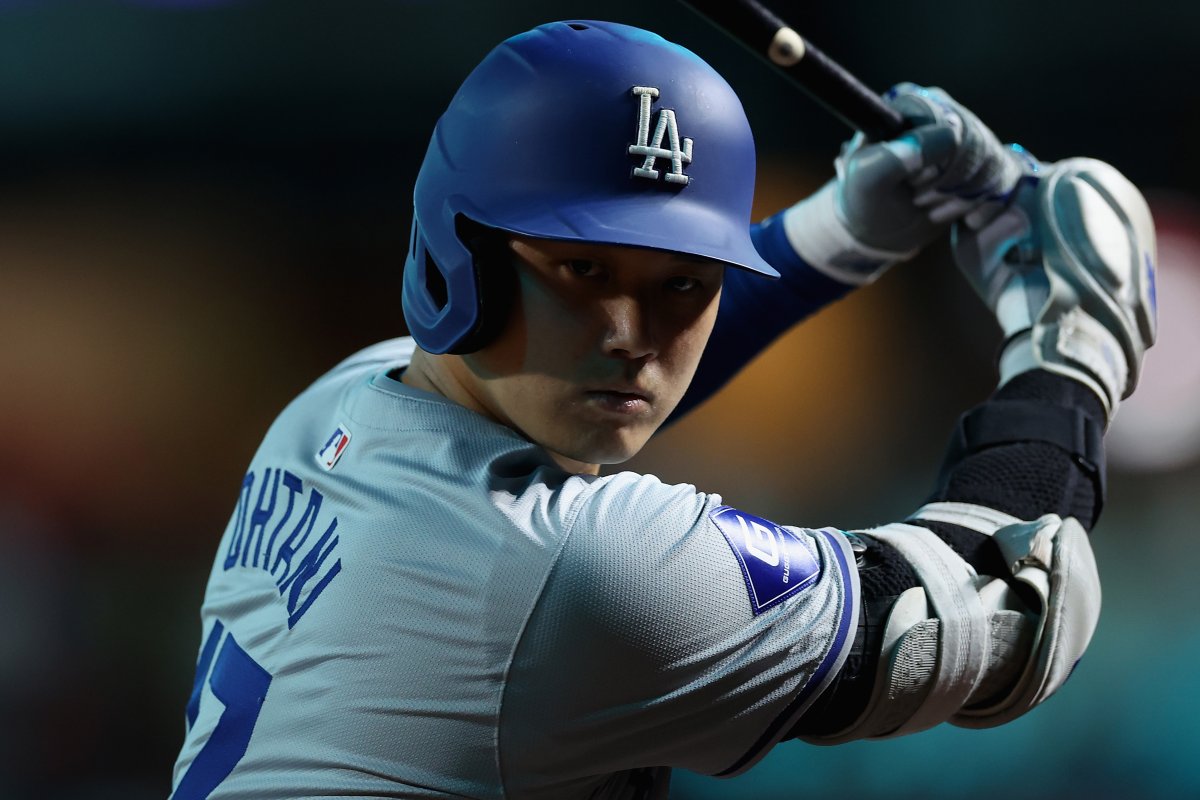
Previously, a pitcher leaving the field often led to major changes to the lineup. But Ohtani forced MLB to redesign the system to accommodate this unprecedented type of player.
However, this controversy comes at a particularly sensitive time. The Dodgers are currently one of the top championship contenders, possessing a star-studded roster and superior financial depth. Therefore, any additional advantage can easily create an imbalance for their opponents. When an already strong team gains a roster advantage, the resulting discomfort is understandable.
On the other hand, it’s also important to recognize that Ohtani has paid a heavy price for playing two roles simultaneously. Throughout his career, he has repeatedly suffered elbow problems and had to take time off from pitching due to injury.
Simultaneously pitching and batting at the highest level is an enormous physical burden. The Dodgers benefit from the roster, but they are also managing a player under more pressure than anyone else.
What makes this story even more intriguing is that the Dodgers are about to enter a crucial series against the Cubs – Craig Counsell’s own team. This means the controversy is no longer confined to the media, but could be resolved on the court.
If Ohtani shines, all the criticism will only make him more dangerous. But if the Dodgers struggle, the debate over “favoritism” is sure to erupt fiercely.
In MLB history, few players have forced the entire league to adjust the rules of the game because of their presence. Ohtani did just that. And now, simply by being on the Dodgers roster, he continues to divide MLB.
Is this an unfair advantage, or simply a reward for rare greatness? The answer will likely come in the decisive months of the season. But one thing is certain: when Shohei Ohtani arrived, everything in baseball changed.