Last August bank holiday, life was ordinary in the way parents often don’t realize they will one day miss. It was calm, familiar, unremarkable in the best possible sense. The kind of day made up of small routines and quiet moments that blur together when everything feels safe. The air carried no warning. Time moved gently. Nothing felt urgent. Nothing felt fragile. It was just another day in the soft, hazy rhythm of early parenthood.
Louis was just four and a half months old. Still tiny. Still discovering the world through wide, curious eyes and soft, exploratory sounds. He spent most of his days exactly where he felt safest—wrapped in loving arms, drifting between feeds and naps, soothed by familiar voices and gentle movement.
His life was simple in the way only a baby’s life can be. Hunger, comfort, sleep. Awake moments filled with wonder. There was no sense of danger. No reason to imagine that anything could go wrong. Nothing about that day hinted that it would become a dividing line, a moment that would separate life into before and after.
Then, in a single, devastating moment, everything changed.
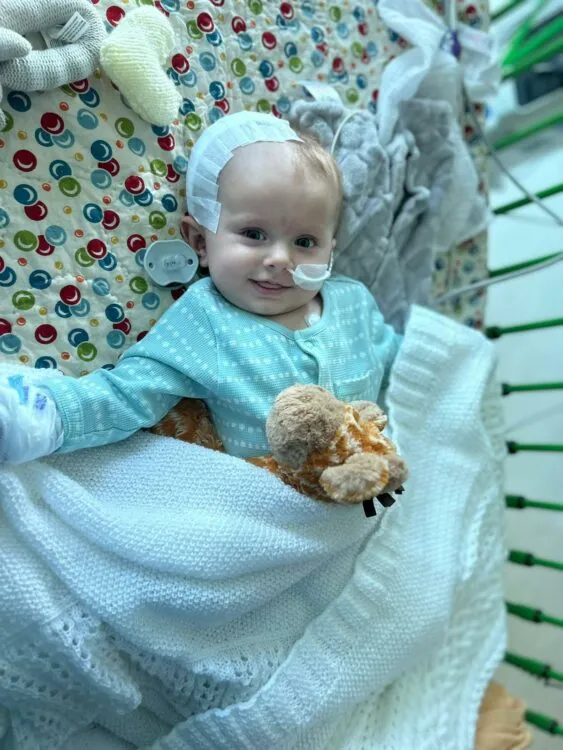
Louis suffered a horrific accident, rolling from the bed and fracturing his skull. There was no gradual shift into fear, no slow realization. One second, life was normal. The next, it was unrecognizable. Panic arrived instantly and without mercy. For his parents, Lauren and Mike, the world narrowed to one terrifying truth: their baby was hurt.
Lauren remembers the sound more than anything else.
“To this day,” she says, “it was the most horrific cry I ever heard.”
It wasn’t a cry they recognized. It wasn’t hunger or discomfort or fatigue. It was raw, piercing, instinctively alarming. The kind of sound that bypasses thought and goes straight to the heart, triggering a fear deeper than words. That cry told Lauren something was terribly wrong before her mind could catch up. Even now, long after the moment has passed, that sound lives inside her memory, sharp and unforgettable.
Almost immediately, Louis began to change. His body, so full of life moments earlier, seemed to withdraw. He became sleepy. Lethargic. His usual alertness faded in a way that sent panic surging through his parents. This wasn’t just shock. This wasn’t something that would pass. Lauren and Mike didn’t hesitate. Instinct took over. They rushed him to the nearest A&E in Cardiff, where they were visiting family at the time, instead of their local hospital in Bridgend.
From the moment they arrived, everything moved fast.
There was no waiting room. No paperwork. No calm explanation. Louis’ condition deteriorated rapidly, and he was taken straight into resuscitation. The room filled with doctors, nurses, and specialists—more people than Lauren had ever seen in one place at the same time.
“All of a sudden people just kept piling into the room,” she remembers. “I had never seen so many people in one place.”
It was terrifying. Overwhelming. Time seemed to fracture, sounds blurred, and control disappeared completely. Yet even in that chaos, one thing was clear: every single person in that room was there to save her son.
Scans revealed the truth no parent is ever prepared to hear. Louis had suffered a bleed on the brain. The fracture had caused swelling his tiny body could not manage on its own. His condition worsened. He became unresponsive. There was no room to wait and see.
Louis needed an emergency craniotomy to relieve the pressure on his brain.
Those words landed with brutal force. Emergency. Brain. Surgery. Lauren and Mike were asked to hand their baby over and trust that the team rushing him away could do what love alone could not. It was the hardest moment of their lives.
Louis was transferred to the paediatric critical care unit, surrounded by machines monitoring every breath and heartbeat. Lauren and Mike lived minute to minute, watching numbers, listening to alarms, waiting for any sign of change. Fear became constant, heavy, and exhausting.
As if the accident and surgery were not enough, Louis suffered a seizure during his recovery—one that lasted an hour and twenty minutes. Time stretched unbearably. Watching their baby seize while being unable to stop it was a kind of helplessness that defies description. Doctors worked urgently. Nurses stayed close. Lauren and Mike stood frozen, suspended between hope and terror.
They would later describe that period as the worst time of their lives.
And yet, even in those darkest hours, something extraordinary existed alongside the fear. The care Louis received went far beyond medical treatment. The staff didn’t just fight for his life—they carried his parents through moments they didn’t think they could survive. They explained when they could. They reassured when reassurance felt impossible. They stayed calm when Lauren and Mike felt completely undone.
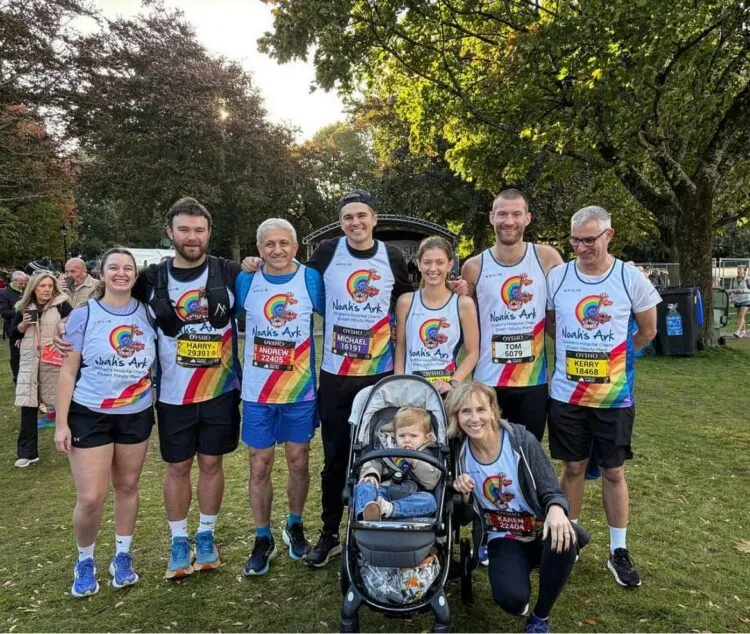
“The staff were absolutely amazing,” Lauren says. “No amount of money we could ever raise would be enough to thank them for everything they did—for Louis and for us.”
That ordinary bank holiday will never feel ordinary again.
It now stands as a reminder of how quickly life can change, how fragile beginnings truly are, and how vital skilled, compassionate care becomes when families face their darkest moments. Louis’ story is one of sudden trauma and unimaginable fear—but also of precision, teamwork, and people who refused to give up when everything was on the line.
His life did not end the day he fell from the bed.
It continued—because others stepped in, acted fast, and held on when his parents could do nothing but hope.
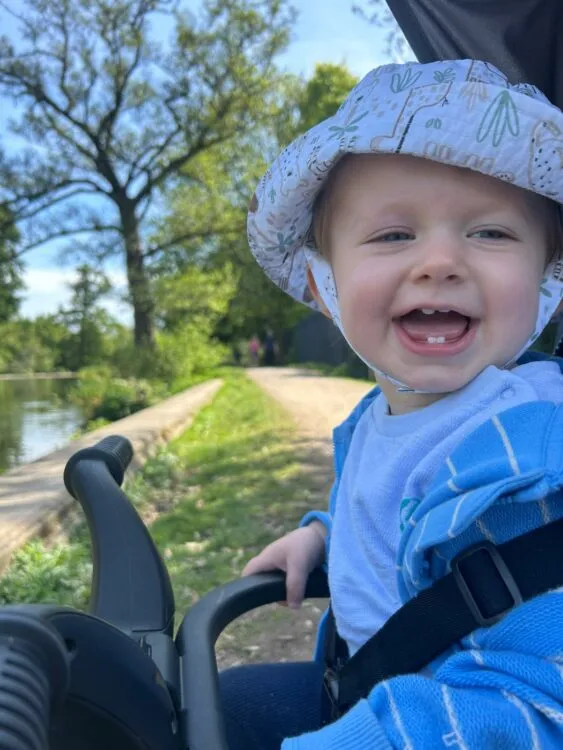
And now, when Lauren hears her son laugh instead of cry, she knows that sound—simple, joyful, ordinary—is the one that matters most.