 When it comes to modern armored warfare, two tanks dominate the conversation — America’s M1A2 Abrams and Russia’s T-14 Armata. Both are powerhouses of military engineering, but how do they really compare? This breakdown highlights their key differences, advantages, and potential battlefield performance.
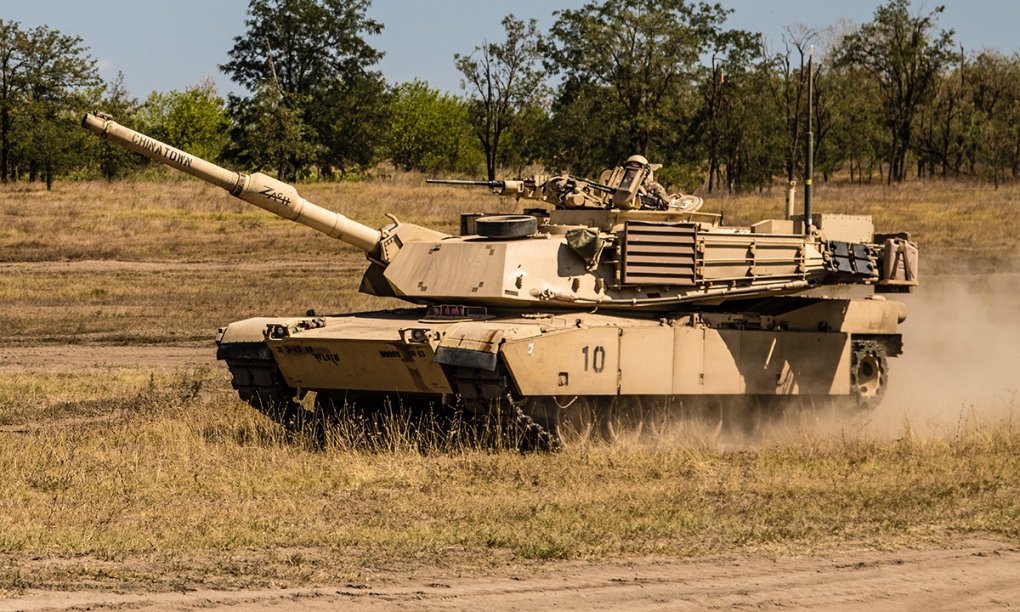
🇺🇸 M1A2 Abrams – America’s Battle-Hardened Juggernaut
-
Unit Cost: $8.58 million
-
Speed: 67 km/h
-
Weight: 62 tonnes
-
Crew: 4
-
Main Gun: 120 mm L/44 M256A1 smoothbore (42 rounds)
-
Dimensions:
-
Length: 9.77 m
-
Width: 3.66 m
-
Height: 2.44 m
-
Strengths:
-
Proven in multiple combat zones including Iraq and Afghanistan.
-
Advanced armor systems and battle-tested survivability.
-
Reliable logistics and long-standing integration in NATO forces.
Drawbacks:
-
Heavier and slower than newer designs.
-
High production and maintenance cost.
-
Older crew layout with less protection for personnel.
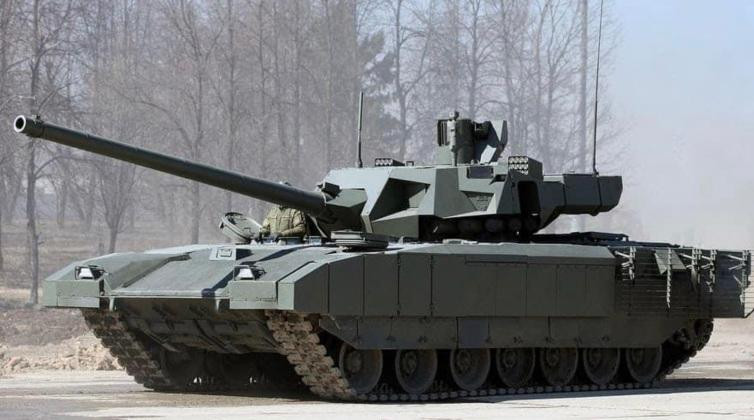
🇷🇺 T-14 Armata – Russia’s Next-Gen Game Changer

-
Unit Cost: $3.70 million
-
Speed: 80–90 km/h
-
Weight: 48 tonnes
-
Crew: 3
-
Main Gun: 125 mm 2A82-1M smoothbore tank cannon
-
Dimensions:
-
Length: 10.8 m
-
Width: 3.5 m
-
Height: 3.3 m
-
Strengths:
-
Unmanned turret with crew housed in a protected capsule.
-
Lighter and faster, with superior mobility.
-
Advanced active protection system (APS) and radar capabilities.
Drawbacks:
-
Still relatively untested in real combat scenarios.
-
Production and deployment have been slow and limited.
-
Complex systems may face logistical challenges in sustained war.
⚖️ Head-to-Head Comparison
| Feature | M1A2 Abrams | T-14 Armata |
|---|---|---|
| Speed | 67 km/h | 80–90 km/h |
| Weight | 62 tonnes | 48 tonnes |
| Crew | 4 | 3 |
| Gun Caliber | 120 mm | 125 mm |
| Length | 9.77 m | 10.8 m |
| Unit Cost | $8.58 million | $3.70 million |
| Combat Tested | Yes | Not extensively |
🧠 Conclusion: Tradition vs. Innovation
-
The M1A2 Abrams is a symbol of reliability, brute force, and combat effectiveness. It’s a battle-hardened tank trusted by the U.S. and many allies around the globe.
-
The T-14 Armata, on the other hand, represents a radical shift in tank design, prioritizing crew safety, automation, and agility. While promising, its true performance remains to be proven under fire.
👉 Final Thought: Will the future of armored warfare be shaped by proven legacy or bold innovation? Only the battlefield can decide.