
Photo credits: Badass Birth Photography
Before your baby takes their very first breath, they already carry little signs of life inside them. One of those is meconium — a thick, green, tar-like substance that lines your baby’s intestines during pregnancy. Usually, this first poop appears after birth. But sometimes, your little one releases it while still tucked safely inside your womb.

Photo credits: Kayla Grey, Birth Photographer
You might also notice your waters tinged with brown streaks — sometimes it’s just older blood from your mucus plug. If you’re unsure, you can always take a photo and share it with your midwife, so they can guide you with care and reassurance.e colouring, you can take a photo of any pads to show your midwife when being checked over.

Photo credits: Carbon+West Birth Services
Here’s something important: meconium-stained waters are often perfectly normal — especially if your baby has been in your belly longer than expected. It simply means their tiny digestive system has matured enough to start working. After 42 weeks, up to 40% of pregnancies may show meconium in the waters. Many people believe it’s always a sign of distress, but that hasn’t been proven.
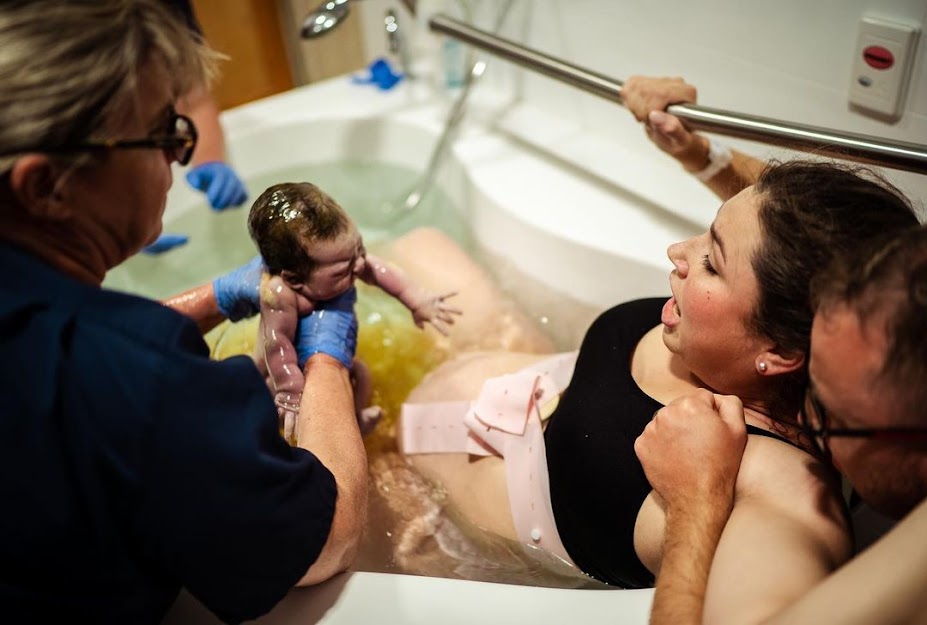
Photo credits: Little Rose Photography
In fact, most babies who pass meconium before birth are perfectly fine. Still, because there is a small risk of Meconium Aspiration Syndrome — when meconium enters a baby’s lungs — care providers often take extra precautions, treating the situation with gentle vigilance to keep your little one safe.
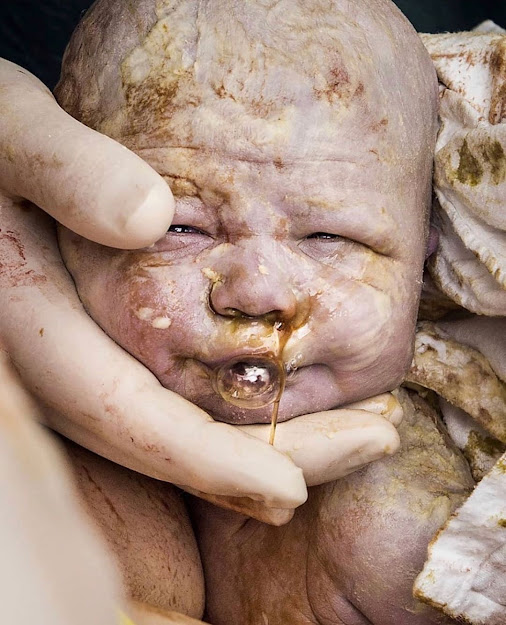
Photo credits: Victoria Berekmeri
If the meconium is significant (dark green, lumpy, or black) and your baby shows signs of distress, your care team will talk through your birthing options. They may recommend giving birth on a labour ward with continuous monitoring — not because something is wrong, but because they want to ensure every heartbeat is watched over with love and care.