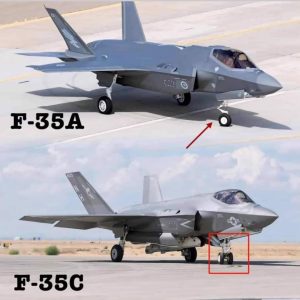
The F-35 Lightning II program encompasses multiple variants tailored for specific operational roles: the F-35A (Conventional Takeoff and Landing – CTOL) and the F-35C (Carrier Variant – CV). A critical design distinction between these variants is the nose landing gear, which reflects their intended operational environments.
1. F-35A – Air Force Variant (CTOL)
-
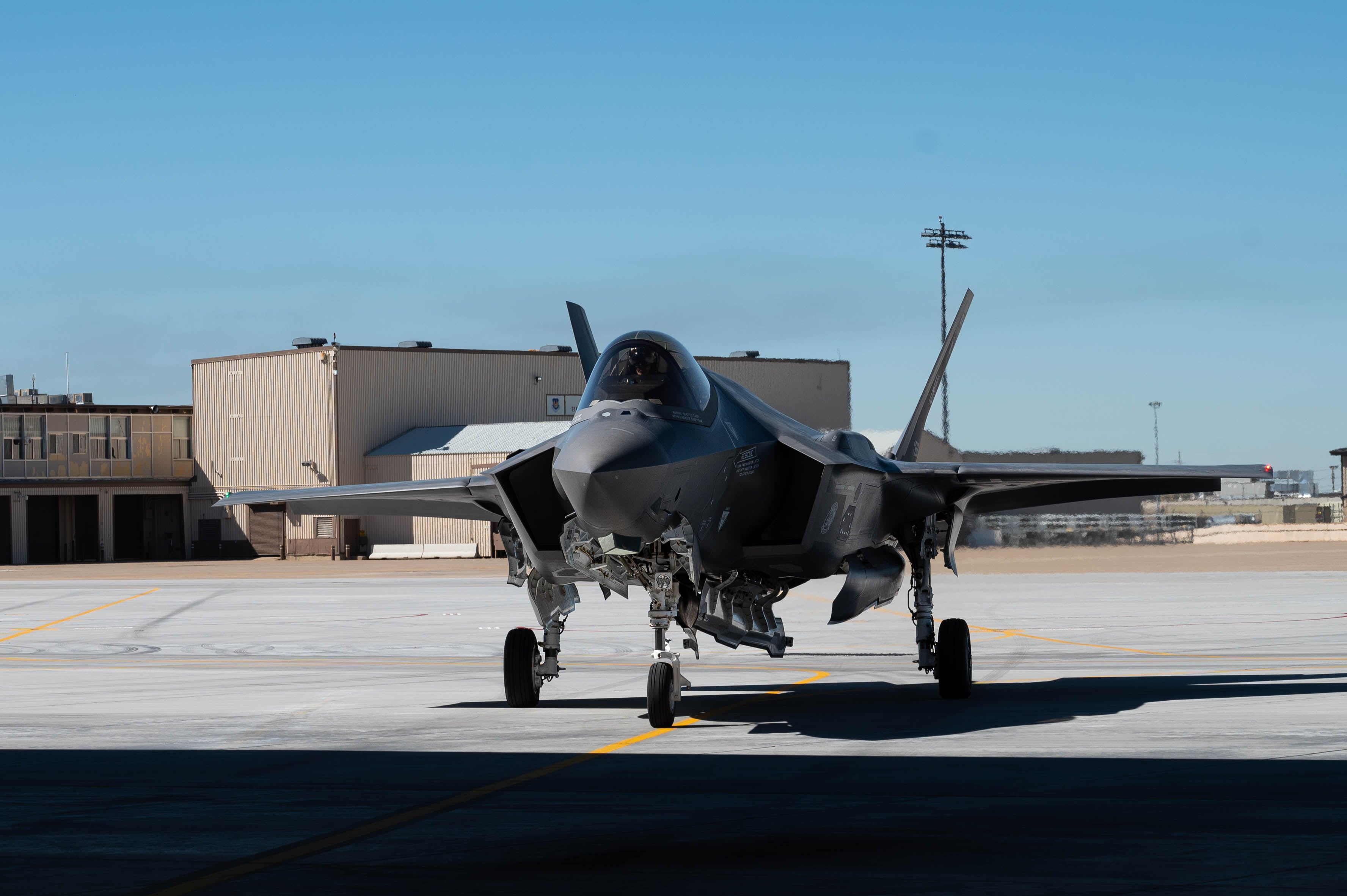
Nose Landing Gear: The F-35A features a compact, single-wheel nose gear designed for conventional runway operations. This configuration does not incorporate the reinforced structures necessary for carrier-based arrested landings.
-
Wingspan: 35 feet (10.7 meters)
-
Maximum Takeoff Weight: Approximately 70,000 pounds (31,751 kilograms)
-
Combat Radius: Approximately 669 nautical miles (1,239 kilometers) on internal fuel
-
Role: Optimized for multi-role strike missions, emphasizing stealth, agility, and air superiority in conventional air force operations.
2. F-35C – Carrier Variant (CV)
-
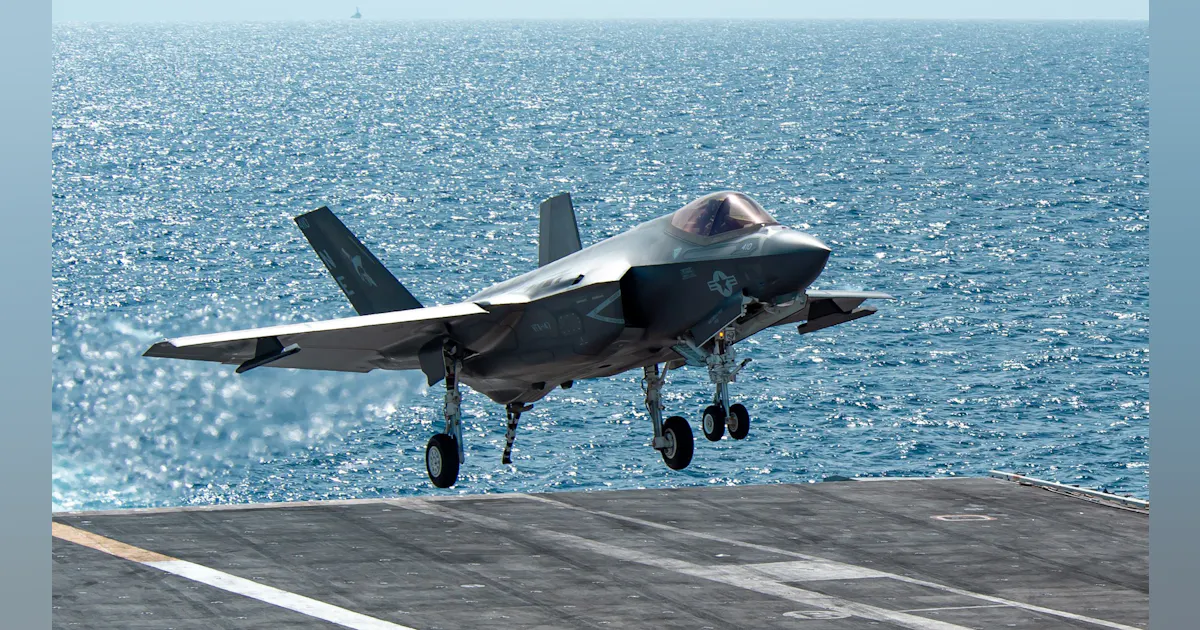
Nose Landing Gear: The F-35C is equipped with a larger, more robust nose gear, featuring a wider stance and reinforced structure to withstand the forces associated with carrier-based arrested landings.
-
Wingspan: 43 feet (13.1 meters)
-
Maximum Takeoff Weight: Approximately 70,000 pounds (31,751 kilograms)
-
Combat Radius: Approximately 670 nautical miles (1,241 kilometers) on internal fuel
-
Role: Specifically designed for carrier-based operations, ensuring safe launch and recovery while maintaining stealth and multi-role combat capabilities.
3. Design Implications
-
Nose Landing Gear: The F-35C’s reinforced nose gear is a direct response to the unique demands of carrier operations, including arrested landings and catapult launches. In contrast, the F-35A’s nose gear is sufficient for conventional runway operations.
-
Wingspan: The F-35C’s increased wingspan provides enhanced lift and stability during carrier operations, accommodating slower approach speeds and shorter landing distances.
-
Maximum Takeoff Weight: Both variants share a similar maximum takeoff weight, but the F-35C’s design incorporates additional structural reinforcements to handle the stresses of carrier operations.
-
Combat Radius: While both variants offer comparable combat radii, the F-35C’s design ensures sustained operational effectiveness in maritime environments.
4. Conclusion
The F-35A and F-35C, while sharing core technologies and capabilities, are distinct in their design to meet the specific requirements of their respective operational environments. The differences in nose landing gear, wingspan, and structural reinforcements underscore the F-35C’s adaptation for carrier-based operations, ensuring its effectiveness in the U.S. Navy’s fleet.