ST. LOUIS — Not Cy Young. Not Pedro Martínez. Not even Shohei Ohtani. In the summer of 1968, Bob Gibson achieved what the baseball world once deemed impossible — a stretch of two months that has gone down in history as the most untouchable period in MLB.

Over 12 games, Gibson recorded 12 wins, 12 complete games, and a mind-boggling 0.50 ERA. Every time he took the mound, opponents weren’t just facing a pitcher — they were facing a storm. Batters didn’t dream of scoring runs; they simply hoped to survive.
Gibson’s dominance wasn’t just about stats; it was about fear, presence, and sheer determination. Every pitch was precise, every strategy calculated. St. Louis fans watched in awe as their Cardinals star didn’t just win games — he commanded the diamond, redefining what it meant to be an elite pitcher.
“Facing Gibson was like stepping into a war zone,” recalled a former batter. “You knew even a good swing might not save you. That’s how untouchable he was.”
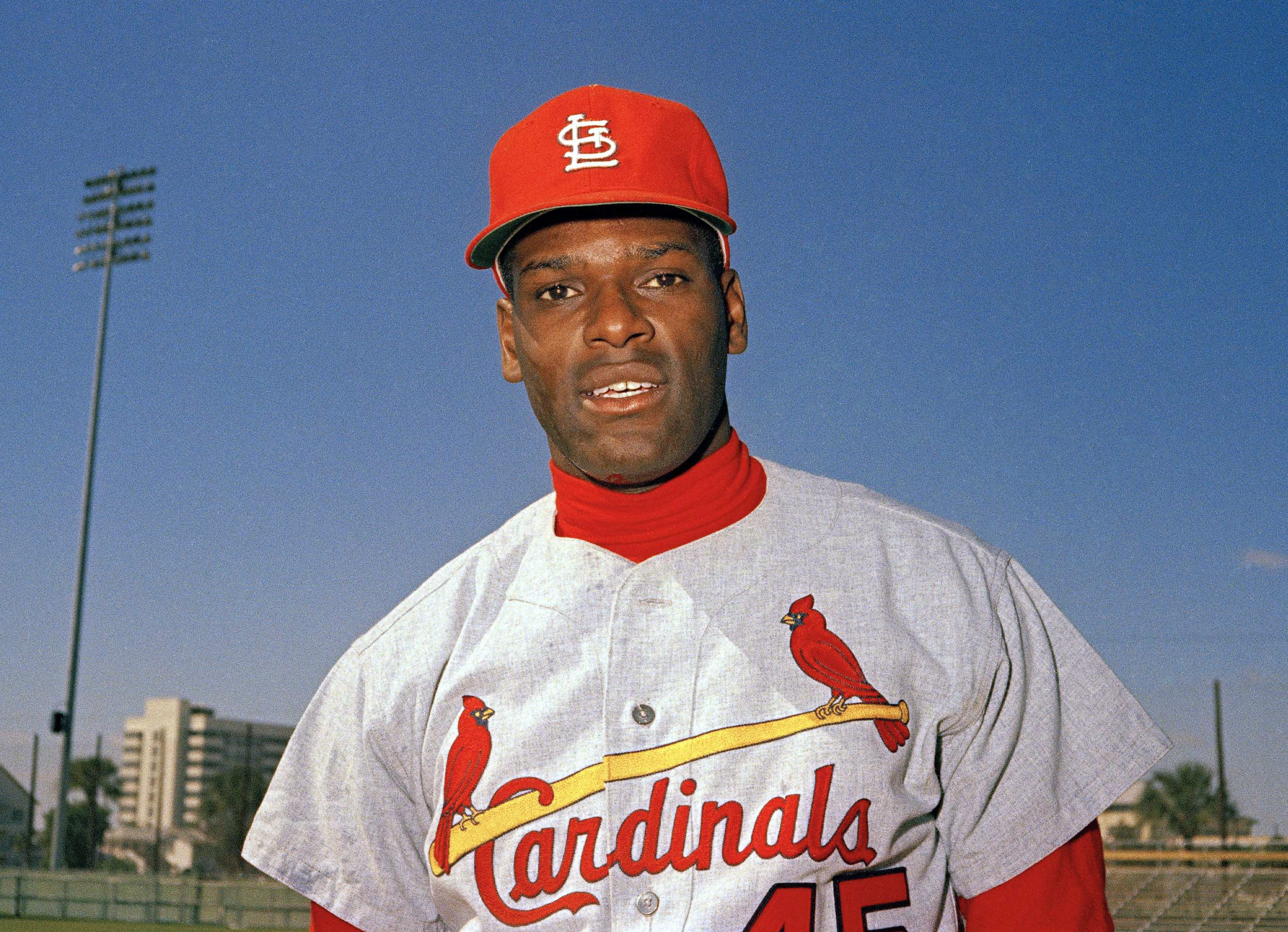
The 1968 season, later dubbed “The Year of the Pitcher,” solidified Gibson’s legacy as one of the most formidable forces in baseball history. His two-month streak didn’t just win games; it inspired generations, shaped pitching strategy, and became a benchmark for greatness.
Even today, stories of that summer evoke a mix of reverence and disbelief. From St. Louis ballparks to baseball discussions across the country, Gibson’s dominance is legendary — a reminder that in sports, true greatness is often beyond numbers.
For fans, historians, and players alike, Gibson’s untouchable run is more than a record; it’s a symbol of courage, skill, and the relentless pursuit of perfection.