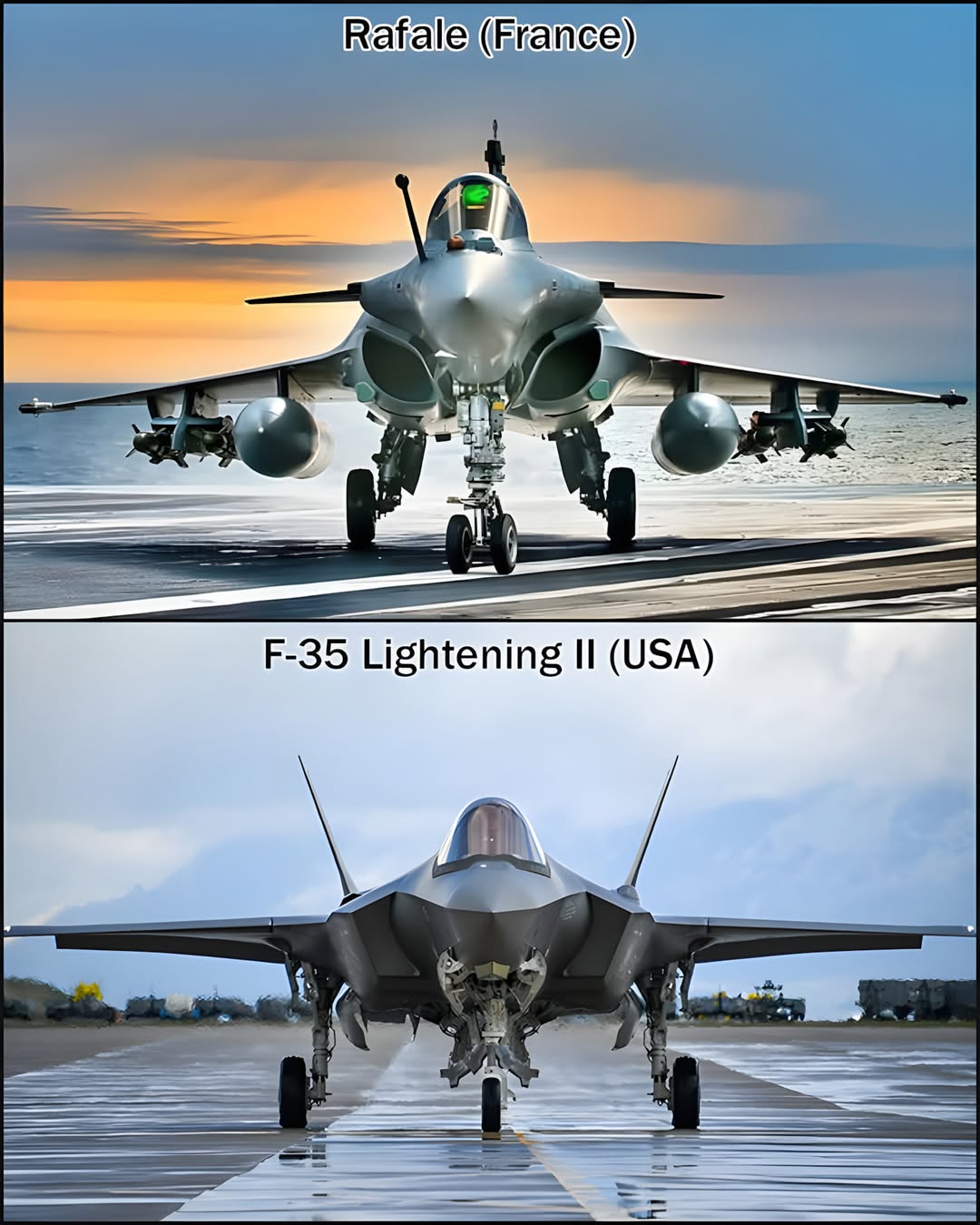
As modern air forces continue to upgrade and expand their fleets, comparing two advanced fighters — France’s Rafale and USA’s F-35 Lightning II — is always a topic of interest for military analysts and aviation enthusiasts.
1. Overview
| Aircraft | Dassault Rafale | Lockheed Martin F-35 Lightning II |
|---|---|---|
| Country | France | USA |
| Role | Multirole (Air-to-Air, Air-to-Ground, Reconnaissance) | Stealth Multirole (Air Superiority, Strike, ISR) |
| Crew | 1 or 2 | 1 |
| First Flight | 2001 | 2015 |
| Produced | ~180+ | >900 (all variants) |
The Rafale is a versatile multirole fighter, capable of operating from both aircraft carriers and land bases. The F-35 emphasizes stealth and advanced technology integration, with variants F-35A/B/C serving the Air Force, Navy, and Marine Corps.
2. Design & Stealth
-
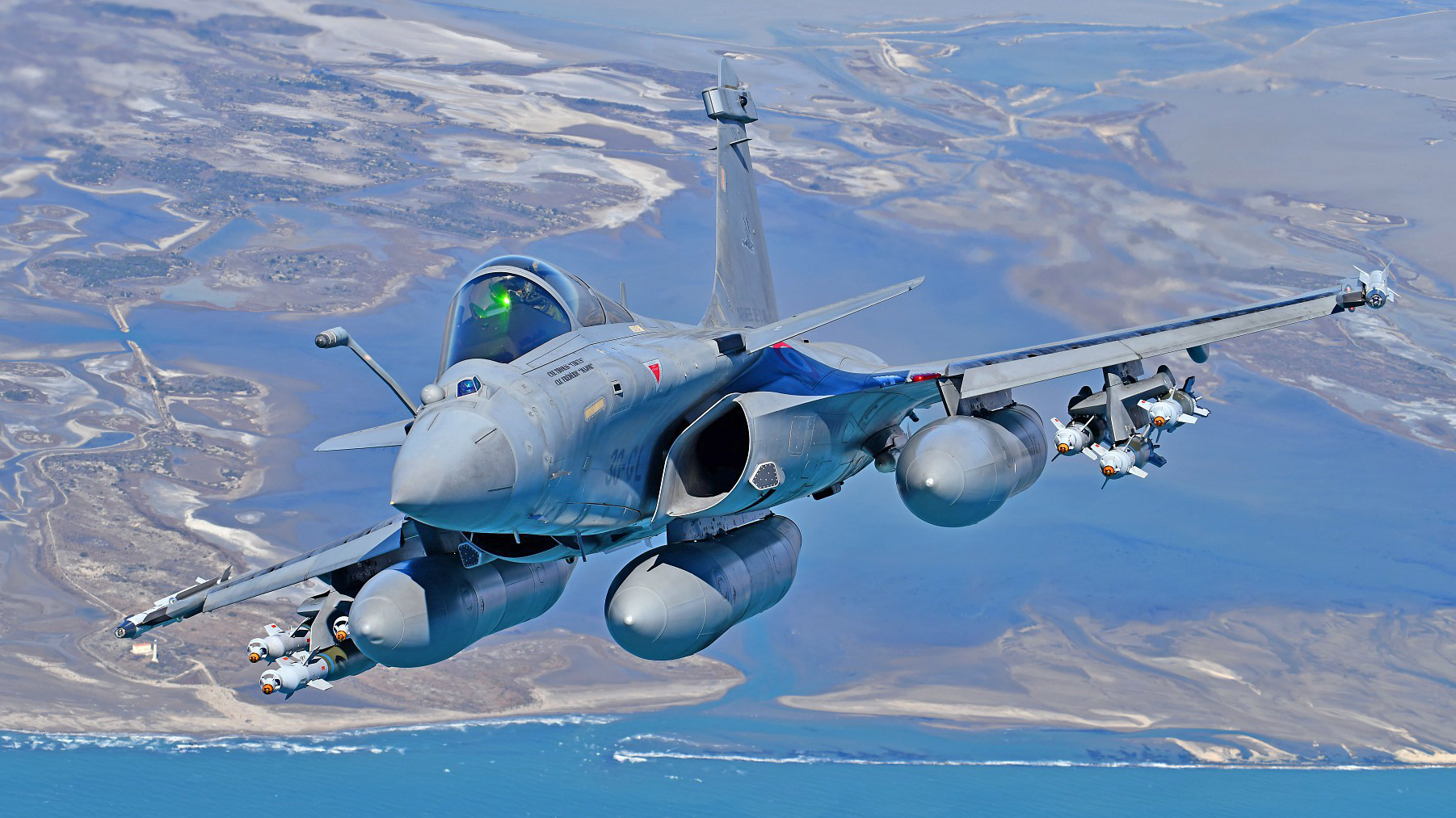
Rafale: Features a delta-canard design for high maneuverability, particularly in dogfights. Stealth is limited, mainly reducing frontal RCS (Radar Cross Section).
-
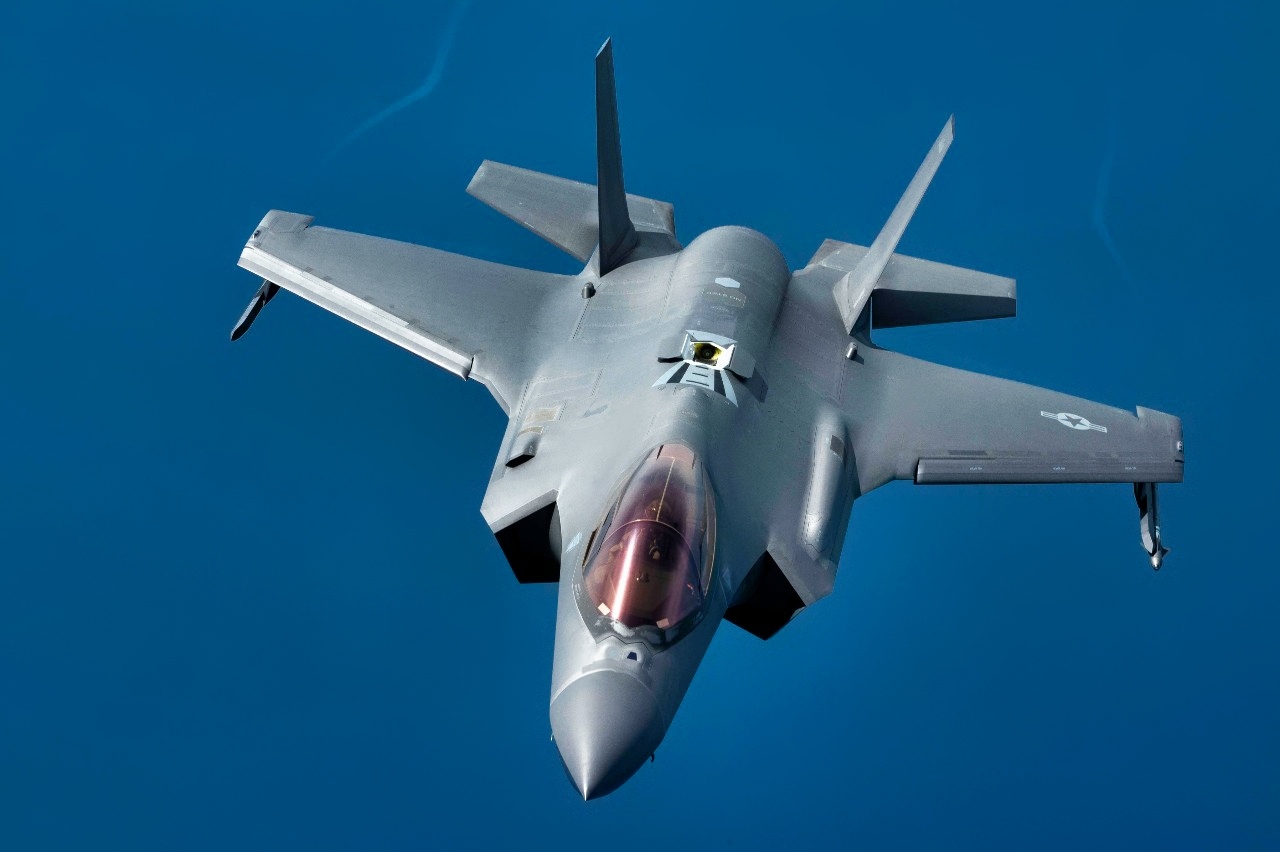
F-35: Prioritizes full stealth, allowing penetration of enemy airspace with minimal radar detection. Its angular shape, smooth surfaces, and radar-absorbing materials give it an advantage in heavily defended environments.
3. Weapons & Avionics
Rafale:
-
AESA Radar RBE2, integrated IRST.
-
Wide range of weapons: MICA IR/EM, Meteor, SCALP, Paveway smart bombs, Exocet (naval version).
-
Can engage multiple targets and missions in a single sortie.
F-35:
-
AESA Radar AN/APG-81, advanced electro-optical sensors (EOTS, DAS).
-
Internal or external weapons: AIM-120 AMRAAM, JDAM, laser-guided bombs, stealth munitions.
-
Key advantage: “sensor fusion” integrates data from multiple sources, creating an extremely accurate battlefield picture.
4. Performance & Maneuverability
| Aircraft | Rafale | F-35 |
|---|---|---|
| Max Speed | Mach 1.8 | Mach 1.6 |
| Service Ceiling | ~50,000 ft | ~50,000 ft |
| Takeoff Capability | Excellent for carriers | Mainly land; F-35B STOVL for short takeoff/vertical landing |
| Dogfight Agility | Excellent, superior in close-range combat | Limited, optimized for stealth and long-range engagement |
Rafale excels in dogfights and close-range air combat due to a favorable thrust-to-weight ratio, while F-35 focuses on long-range strikes and radar evasion, prioritizing stealth over close-range agility.
5. Flexibility & Deployment
Rafale:
-
Effective from both carriers and land bases.
-
Can quickly execute multiple roles in a single sortie (air-to-air + strike + reconnaissance).
F-35:
-
Core platform for stealth operations and deep penetration missions.
-
Integrated battlefield network allows real-time data sharing.
6. Pros & Cons
Rafale
-
Pros: Highly maneuverable, multirole, fast deployment, lower operating costs than F-35.
– Cons: Limited stealth, radar and sensors not as advanced as F-35.
F-35
-
Pros: Superior stealth, advanced sensor fusion, precision strike from long range.
– Cons: Limited agility, extremely high cost, dependent on network and complex maintenance.
7. Conclusion
-
Rafale is ideal for flexible, multirole air combat, especially in environments without dense air defenses.
-
F-35 excels in penetrating heavily defended airspace, with stealth, networked operations, and long-range strike capabilities.
In a direct “face-off”, Rafale has the edge in agility and close-range dogfighting, while the F-35 dominates in modern warfare scenarios with dense air defenses and long-range engagements.
Summary: Rafale is a versatile warrior; F-35 is a high-tech stealth killer — each excels in different combat contexts.