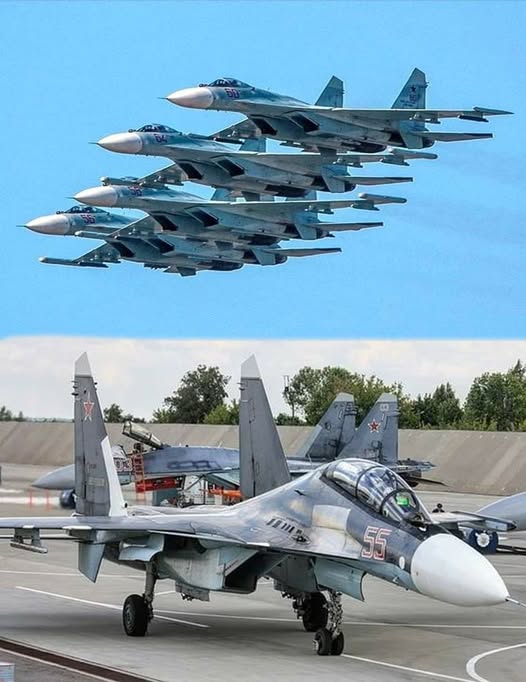
A striking formation of Russian Su-27 and Su-30 fighters cuts through the sky, their sleek silhouettes exemplifying precision and power. Nearby, a lone Su-27 or Su-30 sits on the tarmac, ready for its next mission. These images provide a window into the capabilities and tactical significance of Russia’s frontline multi-role fighters.
1. Overview
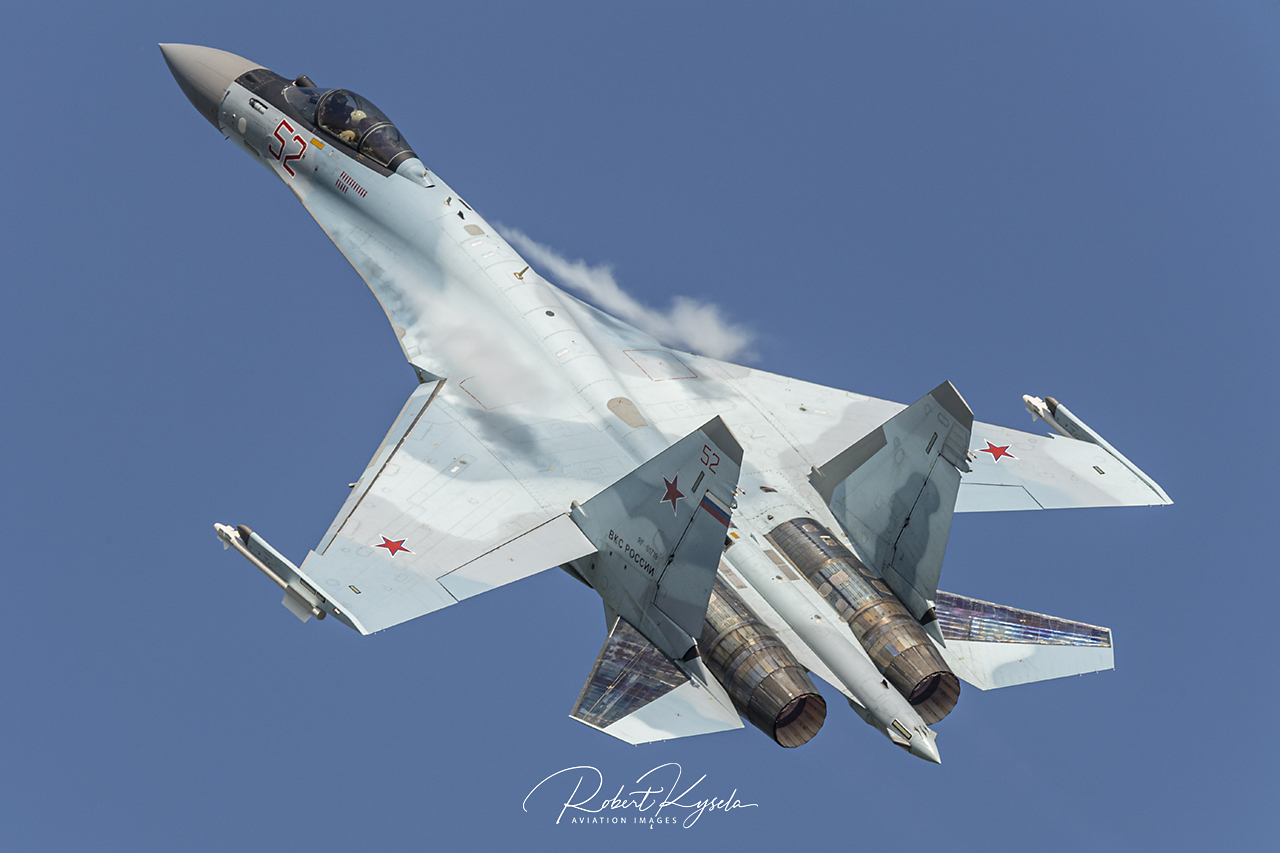
2. Design and Key Technologies
Powered by Lyulka AL-31F turbofan engines, both aircraft can reach speeds up to Mach 2.35. Aerodynamic innovations—canted wings, V-shaped tail fins, and advanced control surfaces—grant exceptional agility, allowing pilots to perform complex aerial maneuvers.
Radar systems, including the N001 Myech on the Su-27 and the upgraded Zhuk-ME on the Su-30, provide long-range target detection and guidance for air-to-air and air-to-ground weapons. Armament is formidable: R-27, R-73, and R-77 missiles, precision-guided bombs, air-to-ground missiles, and the 30mm GSh-30-1 cannon make these fighters lethal across multiple domains.
3. Tactical Roles
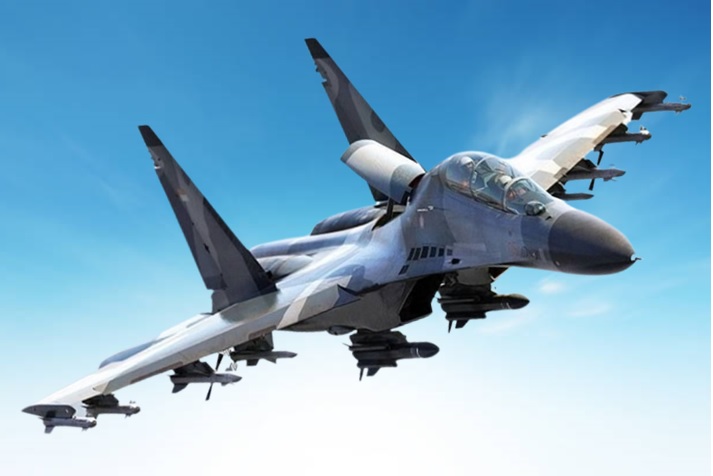
In the skies, Su-27s and Su-30s dominate medium- and close-range combat. Formation flying is more than aesthetic—it maximizes radar coverage, ensures safe separation, and allows coordinated offensive and defensive maneuvers. The Su-30, with its multi-role flexibility, can strike ground targets, escort high-value assets, and conduct reconnaissance, proving itself indispensable beyond air-to-air engagements.
4. Strategic Strengths
-
Maneuverability: Exceptional agility enables evasion of incoming missiles and execution of high-G maneuvers.
-
Range and Endurance: Su-30s, in particular, can conduct long-range missions while maintaining air superiority over contested zones.
-
Weapon Versatility: Capable of engaging multiple targets with short- and medium-range missiles, guided bombs, and air-to-ground ordnance.
5. Limitations
Despite their strengths, these aircraft have constraints. High operational costs and maintenance requirements stem from their powerful engines and advanced systems. While Russian avionics are capable, certain electronic countermeasure (ECM) functions lag behind Western designs. Ultimately, the aircraft’s full potential is tied closely to the skill and experience of the pilot, especially in close-quarters dogfighting.
6. Conclusion
These images capture more than machines—they showcase a legacy of aerial excellence. The Su-27 and Su-30 remain central to Russian air strategy, combining maneuverability, multi-role versatility, and tactical precision. Integrated with ground-based radar and air defense networks, they continue to secure airspace dominance and project power far beyond their homeland.