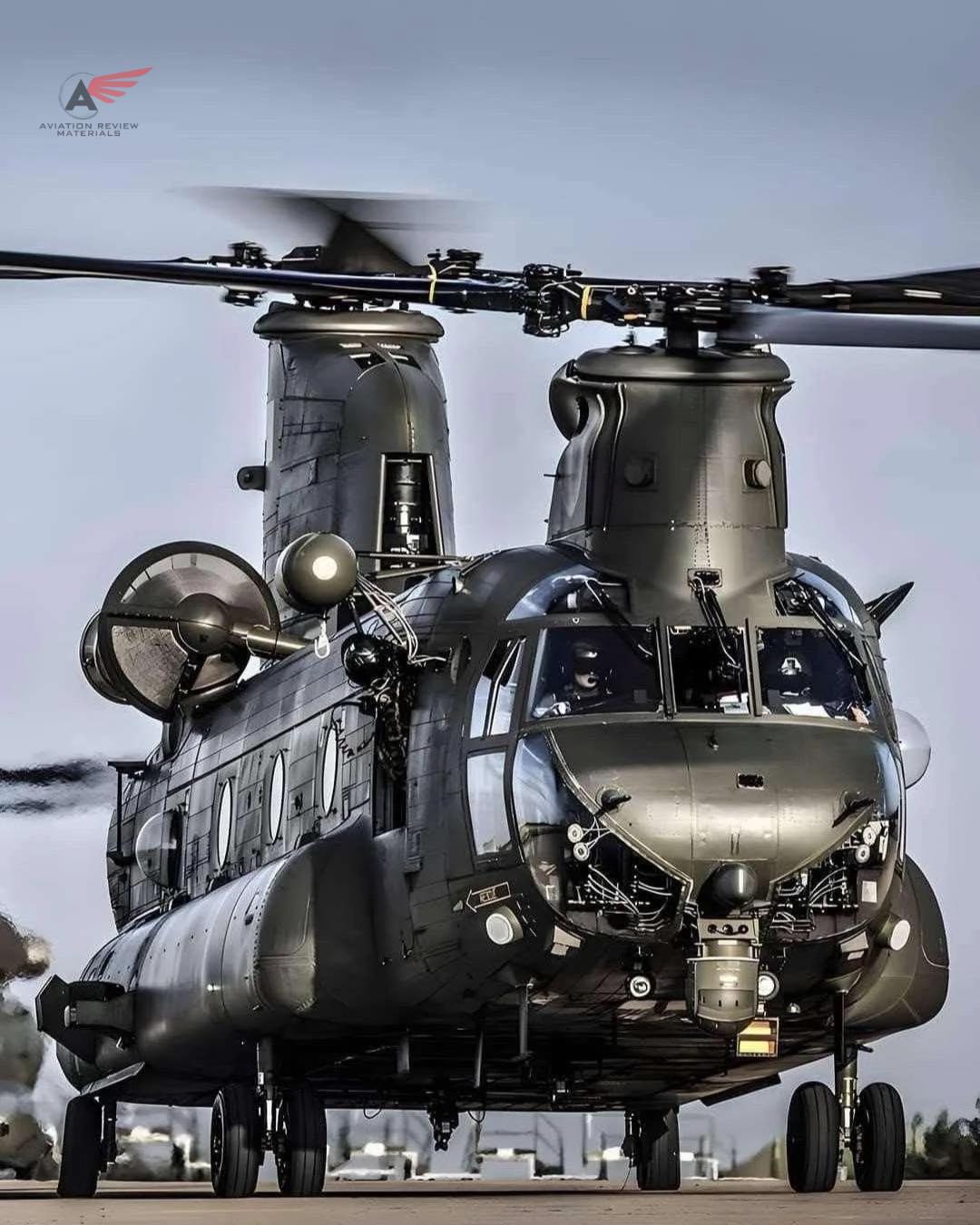
Tactical and technical analysis of the tandem-rotor CH-47/MH-47 Chinook — heavy-lift performance, mission sets, sensors, survivability and operational implications for modern force projection. (400–500 words)
The tandem-rotor Chinook family remains a theater‑shaping heavy‑lift workhorse — a rare blend of raw payload, strategic reach and mission versatility. With its distinctive fore‑and‑aft rotors, slab‑sided fuselage and large sponsons, the CH‑47 and missionized MH‑47 variants enable commanders to move heavy equipment, massed personnel and sustainment at tempo few other airframes can match.
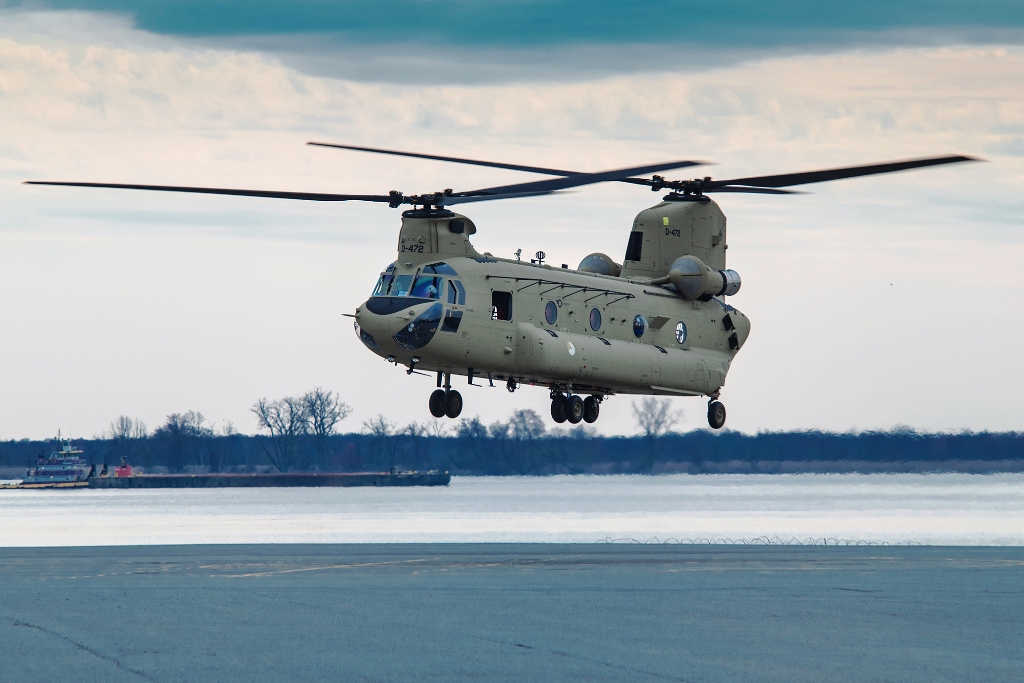
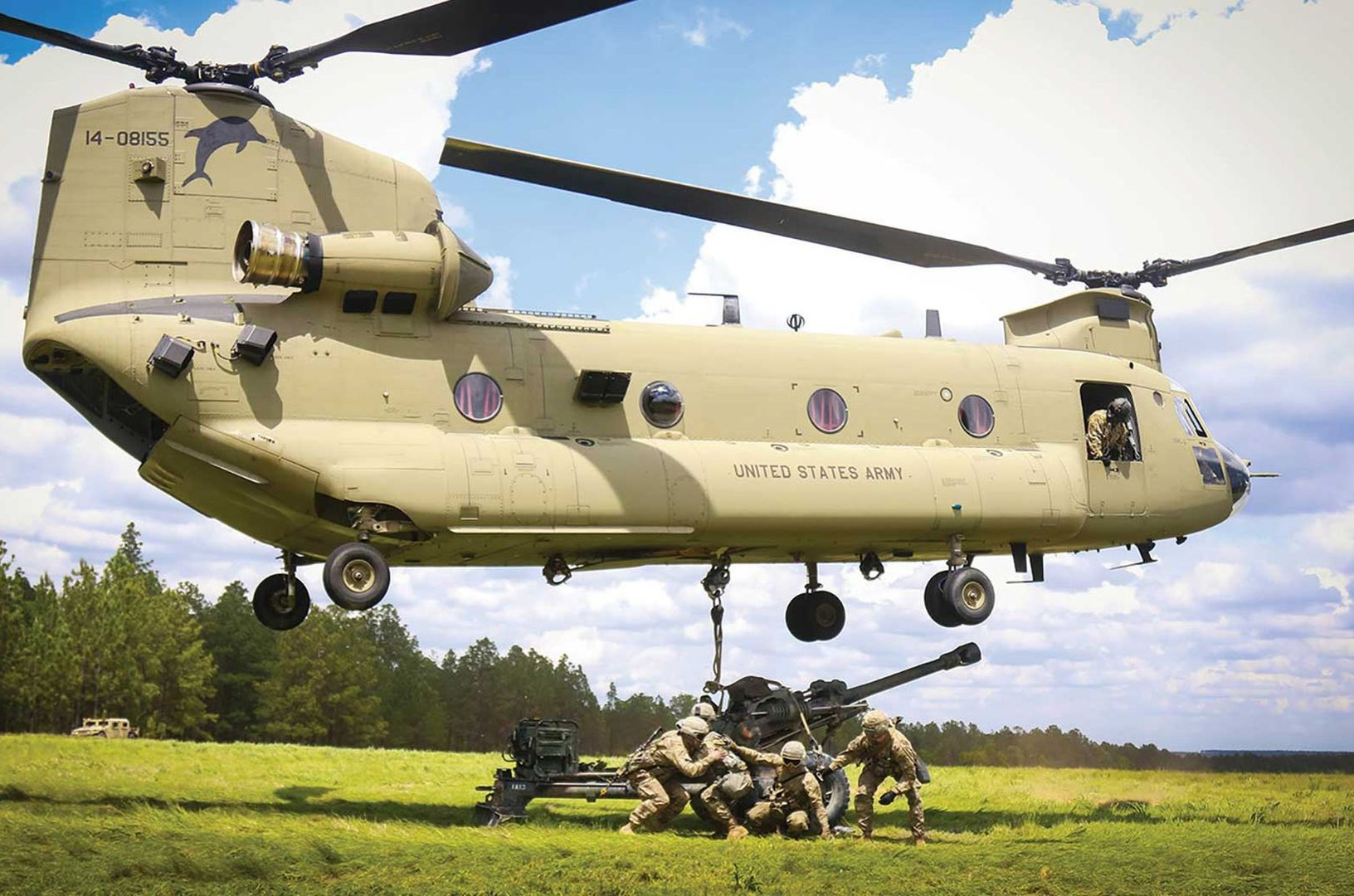
At the platform level, the Chinook’s tandem-rotor design eliminates a tail rotor, producing exceptional lift and stable external‑load carriage. Internally it swallows vehicles, pallets and modular mission sets; externally it excels at precision sling‑loads. Special‑operations variants are readily identified by dark low‑visibility finishes, external pods, refuelling plumbing and expanded comms/sensor suites — adaptations that extend range and clandestine reach for long‑range infiltration and NVG night operations.
Its mission portfolio is broad: rapid troop insertion and extraction, long‑range SOF penetration (with aerial refuelling), mass humanitarian logistics, MEDEVAC, and airborne resupply. Advanced avionics — integrated INS/GPS, NVG‑compatible cockpits and terrain‑following aids — give Chinooks the situational awareness needed to operate in degraded or GPS‑denied environments. Special‑ops configurations often add EO/IR pods, multi‑band datalinks and secure SATCOM to link directly into higher echelon C2.
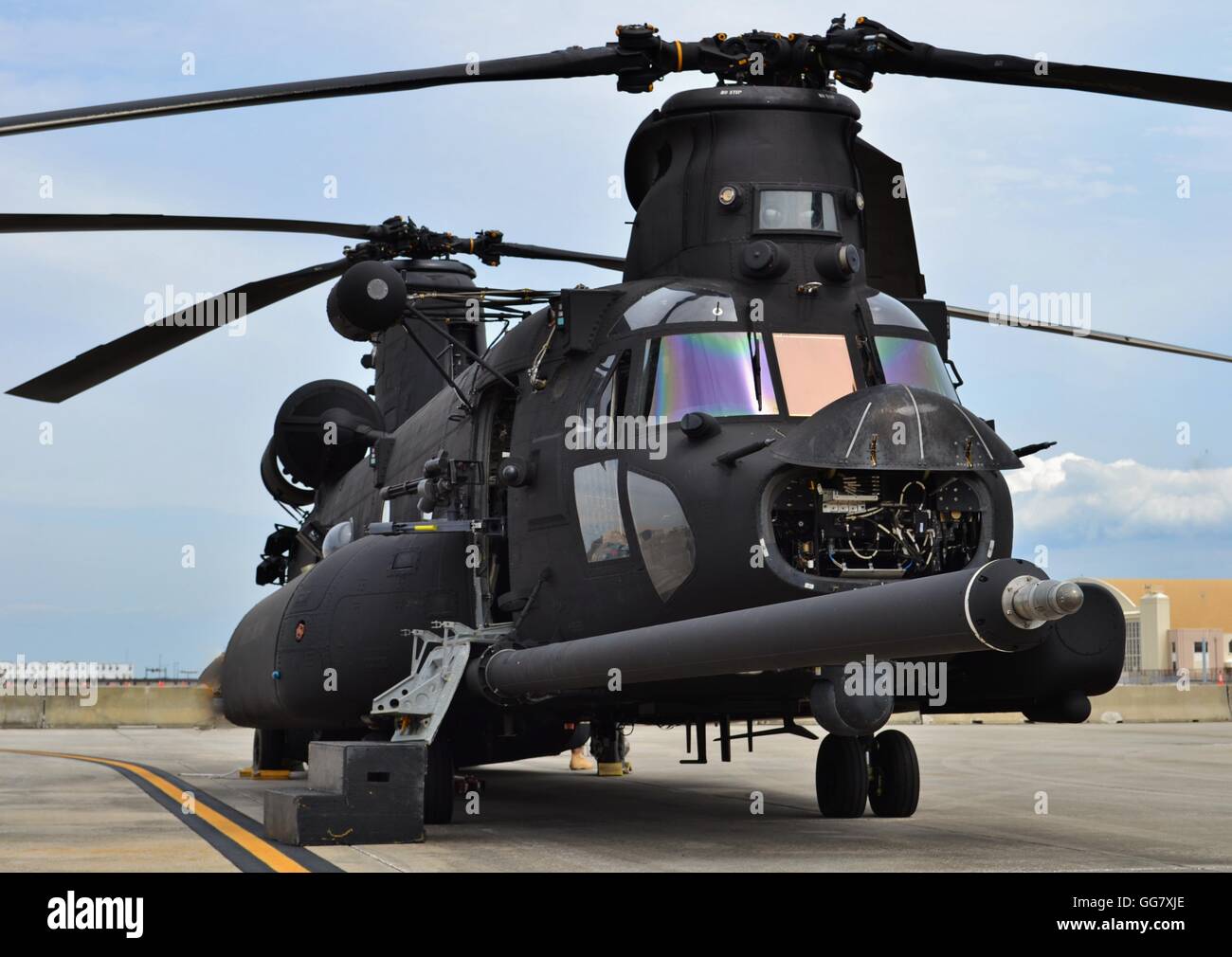
Survivability is layered. Passive measures (armored crew stations, redundant systems) combine with active countermeasures: RWR, MAWS/LWS, chaff/flares and DIRCM on missionized examples. Operationally, Chinooks use emissions control, terrain masking and night tactics to reduce detectability — and in high‑threat environments they’re accompanied by armed escorts, SEAD and EW screens.
But heavy lift equals high‑value: the airframe presents a large RCS and strong IR signature from twin engines and rotor downwash, making it attractive to MANPADS, SHORAD and loitering threats. Mitigations are doctrinal — layered ISR, SEAD, dispersed LZs and hardened FARPs — and logistical: high‑intensity operations demand trained maintenance crews, spare parts and fuel chains to sustain sortie generation.
Strategically, Chinook‑class helicopters are force multipliers. They reshape campaign logistics, enable rapid reinforcement, and provide a visible deterrent by demonstrating the ability to surge materiel and personnel. The tradeoff is clear: each sortie delivers game‑changing capability but concentrates risk. Commanders must balance bold operational options with combined‑arms protection and robust sustainment.
Chinook analysis, tandem‑rotor helicopter, CH‑47 capabilities, MH‑47 special operations, heavy‑lift helicopter tactics.
“How the Chinook moves mountains: inside the tech, tactics and vulnerabilities of the military’s heaviest lifter. Read, share, discuss.”
Call to action: Share this analysis with colleagues and follow for deeper platform breakdowns and imagery-led ID guides.