
There’s something irresistibly heartwarming about babies. Their tiny faces and delicate features have a way of melting hearts instantly. But here’s the thing: the picture-perfect, rosy-cheeked newborns you see in photos aren’t exactly what you’ll meet right after delivery. In reality, a newborn’s first appearance can be surprising — even a little strange — and their bodies are doing some incredible things in that very first hour of life.
Here are five surprising facts about newborns during those precious first moments.
1. They’re Covered in a White, Waxy Coating
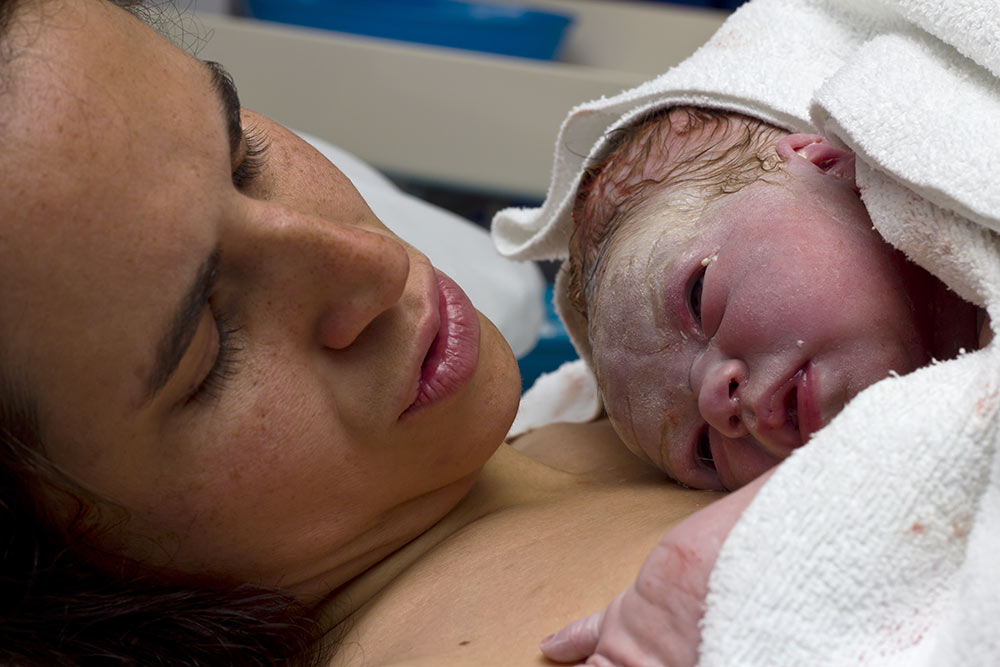
When a baby is born, their skin is often coated in a thick, creamy white substance called vernix caseosa.
This natural barrier begins forming in the third trimester and serves as a protective layer while the baby is floating in amniotic fluid for up to 40 weeks. Without vernix, their delicate skin could wrinkle, chap, or become irritated before birth.
Beyond keeping their skin soft, vernix also provides a shield against infections in the womb. While some parents want it wiped away immediately, many experts recommend leaving it for a while after birth so it can continue to protect and moisturize the baby’s skin.
2. Their First Poop Might Surprise You
Within hours of birth, your baby’s digestive system kicks into action, and you can expect their first bowel movement. But don’t be alarmed — it will look nothing like “normal” baby poop.
This first stool is called meconium — a thick, sticky substance that’s black or dark green and completely odorless. It’s made up of materials your baby ingested in the womb, like amniotic fluid and shed skin cells.
Once feeding begins, bacteria start colonizing the intestines, and the poop will change to green, yellow, or brown, along with that familiar diaper smell.
3. They May Have Hair All Over Their Bodies
You might expect to see a head of hair (or none at all), but some newborns arrive with fine hair covering their entire body. This is lanugo — soft, downy hair that typically develops around the fifth month of pregnancy.
Most babies shed this hair before birth, usually in the seventh or eighth month, but for some, traces remain after delivery. No need to worry — it’s harmless and will disappear on its own within days or weeks.
4. They Generate Heat by Burning Brown Fat
Newborns go from the warm, constant temperature of the womb to a much cooler outside world in seconds. Yet you’ll rarely see a newborn shiver.
That’s because they have a built-in heating system: brown adipose tissue, or “brown fat.” This special fat burns energy to generate heat when the baby’s skin receptors sense cold, helping maintain a stable body temperature until they adapt to their new environment.
5. The Umbilical Cord Still Nourishes After Birth
In the womb, the umbilical cord delivers oxygen-rich blood and nutrients from mother to baby. Once the baby starts breathing on their own, the lungs take over — but the cord doesn’t stop helping immediately.
Even after clamping and cutting, a final transfer of blood from th👶✨ From cheesy coats to secret heat reserves — 5 surprising facts about newborns in their very first hour of life! 🍼💖e cord to the baby can occur, providing an extra boost of oxygen and nutrients in those first moments. This is one reason why many healthcare providers practice delayed cord clamping.
A Whole New Perspective
From their waxy coating to their strange first poop, newborns have a fascinating set of adaptations that help them survive and thrive from the very first second of life. Some of these facts may be familiar, while others might be completely new to you — but they all highlight just how amazing the human body is from the very start.