The resurfacing of the so‑called Letter of Lentulus has reignited one of the most haunting debates in religious and historical scholarship. For centuries, the image of Jesus Christ has been shaped by scripture, art, and tradition, but this text claims to offer something radically different: a direct eyewitness account written not by a disciple, but by a Roman governor reporting to Caesar himself. The letter’s vivid description of Jesus has unsettled generations of readers, and now, with its sudden reappearance and declassification, the controversy has taken on a new dimension.
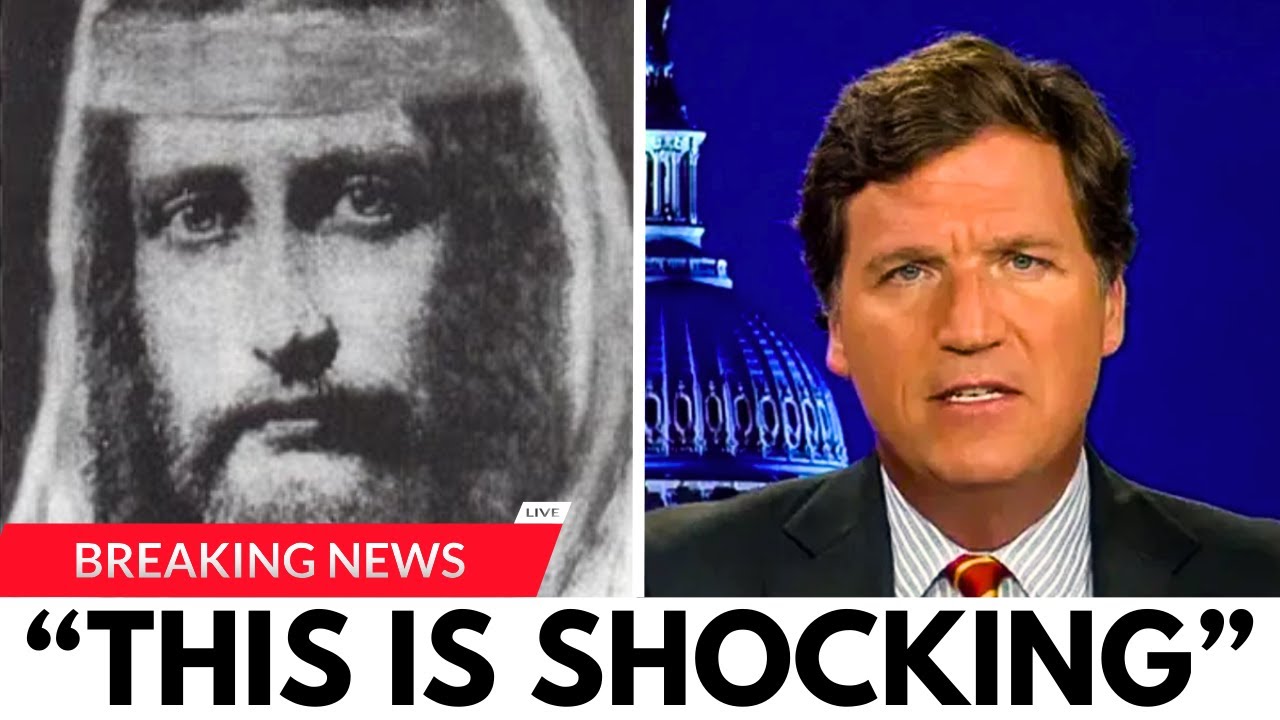
The document, attributed to Publius Lentulus, governor of Judea, describes Jesus in terms that are strikingly human yet profoundly unsettling. He is portrayed as a man of medium height, well‑proportioned, with chestnut hair falling to his shoulders in the Nazarene style, a full but neatly kept beard, and eyes that were luminous enough to inspire both love and fear. Lentulus writes not as a worshipper but as a Roman official trained to assess threats. He notes that Jesus never laughed loudly, though many saw him weep, and that his words carried wisdom beyond learning. His presence silenced crowds, and his moral authority seemed innate rather than imposed. “There was something admirable in his face,” the letter claims, “that made people instinctively listen.”
What makes the account so chilling is its neutrality. Unlike the gospels, the letter does not speak of miracles, resurrection, or divinity. It focuses instead on demeanor, posture, and presence. Roman soldiers, hardened by war, reportedly hesitated before speaking harshly to him. Lentulus warns Caesar that Jesus did not seek rebellion, yet his influence spread faster than fear, rooted not in force but conviction. For an empire built on domination, this kind of power was deeply unsettling. The letter suggests Rome recognized that Jesus was no ordinary preacher and that his execution would not end his influence.

Historians remain divided. No original copy of the letter has ever been found in Roman archives, and the earliest known versions appeared centuries later in the medieval period. Many scholars argue it was a later creation, designed to harmonize Christian belief with Roman authority by presenting Jesus as respected even by imperial officials. Yet others point out that its lack of overt theology gives it an eerie plausibility. “It reads less like doctrine and more like observation,” one historian remarked, “as if someone was trying to understand, not worship.”
The letter’s influence has been profound. Long before photography or standardized iconography, its description shaped paintings, sculptures, and sermons across Europe. The familiar image of Jesus — serene eyes, long hair, composed expression — owes much to this single text. What continues to haunt readers is the idea that a man so quietly powerful could unsettle an empire without lifting a sword. Roman officials, masters of conquest, paused to report on a preacher whose authority came from compassion rather than command.
The resurfacing of the letter in 2026 has taken on a new dimension with Elon Musk’s unexpected involvement. Musk, who has long positioned himself at the intersection of technology and existential questions, was shown the declassified text during a private briefing. According to insiders, he was visibly shaken. In a rare public comment, Musk said, “This portrait is not just history. It’s a warning. Darkness will return, and no civilization will survive if we ignore it.” His words, echoing the apocalyptic tone of the leaked headline, have amplified global panic and speculation.

Musk’s reaction matters because of his cultural position. He is not a theologian or historian, but a figure associated with science, progress, and the future. For him to frame the letter as a warning rather than a curiosity has given the text a new urgency. Social media erupted with theories linking the letter to modern crises, from artificial intelligence to climate collapse. Some argue Musk sees in the Lentulus account a mirror of our own vulnerability: a reminder that civilizations fall not only to armies but to ideas. “We thought we were secure,” Musk reportedly told advisors, “but history shows us that conviction can topple empires.”
Around the world, reactions have ranged from awe to dread. Religious leaders have seized on the letter as evidence of Jesus’ enduring authority, while skeptics dismiss it as a medieval invention. Yet the emotional resonance is undeniable. The idea that Rome itself may have recognized Jesus as a figure beyond category has unsettled even those who doubt its authenticity. Theologians debate whether the letter is a bridge between faith and history, or a fabrication designed to shape both. Historians warn that even if false, its influence is real, having shaped centuries of art and imagination.

What makes the resurfacing so powerful is the collision of past and present. A text that may have been written two millennia ago is now being read in the context of modern fears, amplified by one of the most influential voices of our time. Musk’s words have given the letter a contemporary relevance that goes beyond theology. “Humanity may not survive what happens next,” he said. “I wish I were wrong. But I’m not.” The quote has already become emblematic of the unease surrounding the document, a reminder that history’s shadows can still unsettle the present.
Whether authentic or not, the Letter of Lentulus forces reflection. It invites readers to imagine Jesus not only as a religious symbol but as a living presence whose authority came from compassion rather than command. It suggests that empires can be shaken by conviction alone, and that the most extraordinary power may lie in quiet dignity. The resurfacing of the letter, combined with Musk’s apocalyptic warning, has transformed it from a medieval curiosity into a global flashpoint. Empires rise and fall, documents fade, debates continue — but the figure at the center of this ancient report still commands attention. And that, perhaps, is the most unsettling detail of all.