On December 8, 2025, the cold winds of winter swept through the streets of Philadelphia, casting an eerie calm over the city. In the neighborhood of Beachwood Street, residents went about their evening routines, unaware that just around the corner, tragedy was unfolding inside a home that had once held the promise of warmth and safety.
Late in the evening, the Philadelphia Police Department received a call reporting an unresponsive child. Officers rushed to the scene, making their way to the basement of the house, where they found a small, lifeless body on the floor. Her name was Key’Monnie Bean, a 2-year-old girl whose life was about to be tragically cut short.
Key’Monnie’s mother, who was not publicly identified at the time, had been living with her boyfriend, 21-year-old Sean Hernandez. Hernandez quickly became the focus of the investigation. Police had arrived to determine the cause of the child’s unresponsiveness, but what they discovered was far more horrifying than an accident. Key’Monnie had not been the victim of misfortune; she had been the victim of deliberate, brutal violence.

Officers immediately began CPR on the young child, carefully placing her on a bed in an effort to resuscitate her. Despite the rapid response and emergency transport to the Children’s Hospital of Philadelphia, Key’Monnie was pronounced dead shortly after 9:30 p.m. Medical personnel could do nothing to reverse the damage inflicted on the small child.
The news quickly spread throughout the community. A young life had been cut short. A family had been shattered. And the understanding that this was not an accident but a deliberate act of violence sent shockwaves through those who heard.
Police soon discovered the extent of the abuse within the home. Key’Monnie’s body bore signs of trauma, bruising covering her tiny frame, evidence of a level of brutality that was chilling in its intensity. This was not a case of neglect or an unfortunate misstep—it was a cold, calculated act.
Hernandez, who had lived with the family for some time and had been entrusted with the care of Key’Monnie, had betrayed that trust in the most horrific way imaginable. He was arrested and charged with the murder of Key’Monnie, along with child endangerment and weapons-related offenses. Investigators were confident that Hernandez had intentionally caused the death of the child.

District Attorney Larry Krasner, in a statement released on December 18, called the incident a “brutal beating” and confirmed Hernandez as the primary suspect. Krasner expressed the community’s sorrow and outrage over the senseless loss of such a young life.
“This is a brutal beating that, by all indications, caused the death of this child,” Krasner said. “Hernandez was in a position of trust, yet he chose to harm this innocent girl in the most unimaginable way.”

Evidence revealed a chilling narrative of the hours and days leading to Key’Monnie’s death. Neighbors recalled hearing loud arguments in the home, signaling a pattern of tension and instability. Domestic violence often underlies cases of child abuse, and Key’Monnie’s death tragically reflected this reality. Hernandez’s violent behavior had escalated, ultimately resulting in fatal consequences.
Two days after the incident, Hernandez turned himself in. He claimed that Key’Monnie had threatened him with a knife and that the gun in his possession had discharged accidentally. Detectives quickly determined that his version of events did not align with the physical evidence. The trajectory of the bullet, the injuries on Key’Monnie’s body, and forensic analysis all indicated that her death was intentional.

Compounding suspicions was the absence of the firearm. Police discovered Hernandez had removed the weapon from the scene, and even after two days, it remained missing. This raised further questions about the circumstances surrounding Key’Monnie’s death and deepened doubts about Hernandez’s account.
On December 17, two additional individuals—21-year-old Anthony Lowrie and 20-year-old Alycia McNeill—were taken into custody. Both were charged with obstruction of justice and unsworn falsifying. Authorities believe they may have assisted Hernandez in covering up the crime or interfering with the investigation. While their exact involvement remains unclear, it was significant enough to warrant their arrests.
The investigation also shed light on Hernandez’s relationship with Key’Monnie’s mother. While police did not disclose specifics, it became evident that violence in the home was not a first-time occurrence. Earlier in the year, in April, Hernandez had been arrested for assaulting Key’Monnie’s mother, signaling a history of domestic violence.

Key’Monnie’s death is a devastating reminder of the consequences of child abuse and domestic violence. Children are often the most vulnerable victims in these circumstances, and their safety is frequently overlooked. Her death could have been prevented if the warning signs had been recognized and addressed. The betrayal of trust—by someone meant to care for her—makes the tragedy even more heart-wrenching.
For Key’Monnie’s family, the loss is unfathomable. Her mother must grapple with the death of a child she loved deeply, and extended family members are left reeling from the shock of such a senseless act. The pain of losing a child is a wound that never fully heals, and questions of “why” and “how” will linger indefinitely.
As Hernandez awaits trial, the legal system will determine his accountability. He is being held on second-degree murder, child endangerment, and weapons charges. His next court date is set for January 29, 2026, when prosecutors are expected to present the full scope of the evidence.

Yet for Key’Monnie’s family, justice can never fully restore what has been lost. The memories of her brief life are forever overshadowed by the violence that ended it. Her story serves as a stark reminder of life’s fragility and the duty society has to protect its most vulnerable members.
Key’Monnie Bean was a 2-year-old child full of potential, hope, and innocence. She will never experience the joys of childhood, the milestones of growth, or the simple happiness that comes with time spent in safety and love. Her death leaves an unfillable void, and her family carries the weight of grief that no words or legal outcome can ease.
This tragedy also prompts reflection on the warning signs of abuse that often go unnoticed. Domestic violence is a hidden epidemic, impacting countless families nationwide. Awareness, intervention, and vigilance are essential to ensure children like Key’Monnie are protected and allowed to live safe, fulfilling lives.
As the investigation unfolds, the community watches closely, hoping that justice will be served. But for now, Key’Monnie’s family must navigate the heartbreak of her absence, seeking ways to heal, honor her memory, and ensure that her story endures.

Though her life was brief, Key’Monnie’s story will not be forgotten. It is a poignant reminder of the dangers of abuse and the collective responsibility to safeguard children. Her life, though tragically short, can inspire action, vigilance, and a commitment to preventing similar tragedies.
Justice for Key’Monnie remains in the hands of the legal system, but her family’s fight for her memory continues beyond the courtroom. While the world lost a precious little girl, the love she inspired endures, a beacon of hope and a call to protect the most vulnerable among us.
May Key’Monnie Bean’s story serve as a lasting reminder: children’s lives are priceless, their safety is paramount, and turning a blind eye to abuse has consequences no one should ever have to bear.
World Prematurity Day: Honoring the Courage of Tiny Warriors and Their Families
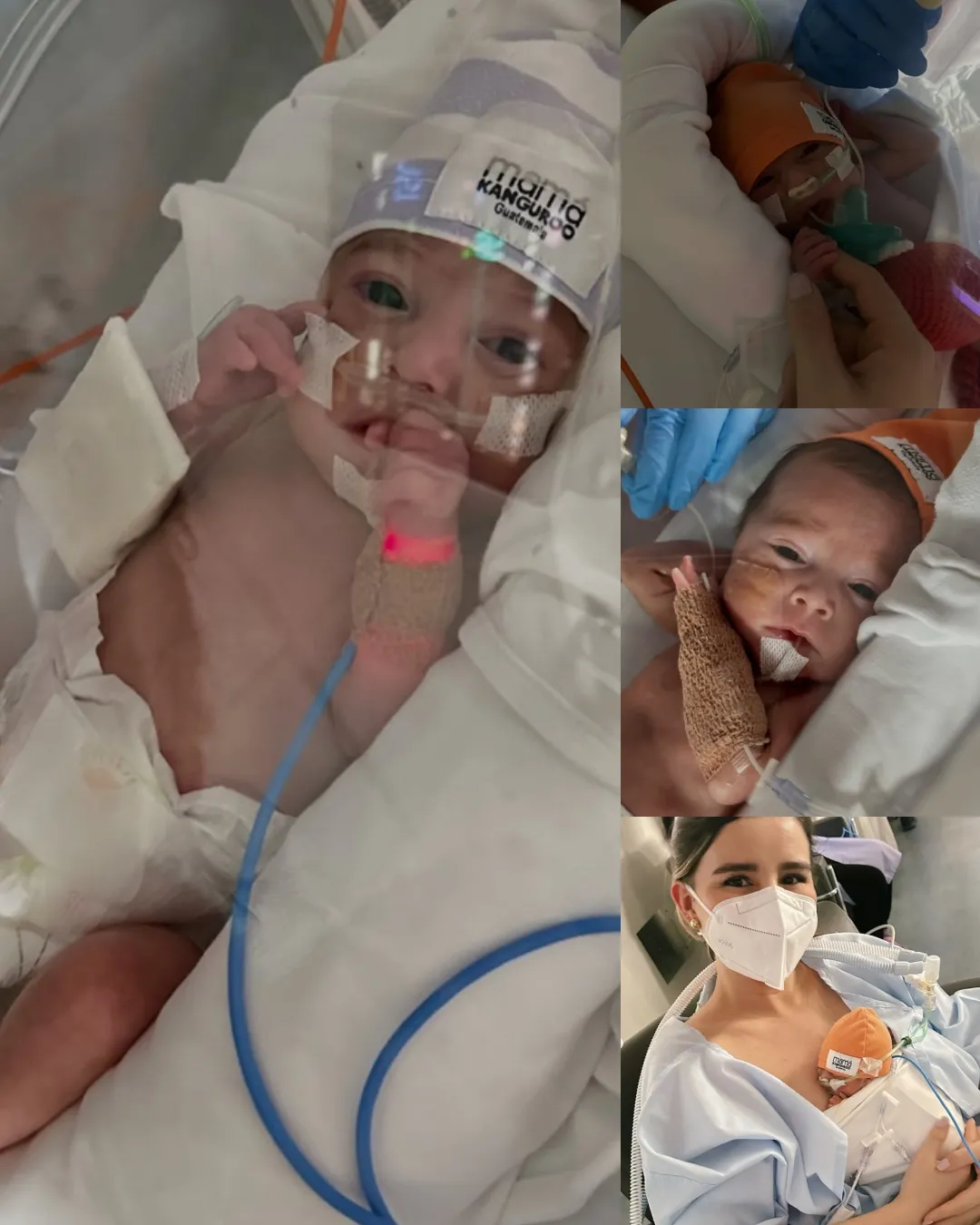
Today, on World Prematurity Day, we pause to recognize the extraordinary courage of babies born too soon and the unwavering resilience of the families who fight alongside them. For parents of preterm infants, every day is a battle—a mixture of hope, fear, joy, and heartbreak.
For one mother, the journey began with her daughter, Isabella. She remembers her with pride and gratitude, marveling at the little girl’s determination, her resilience, and the fierce way she clung to life. “I remember your strength, Isabella, and the bravery you showed from the very beginning,” her mother recalls. “You taught us what courage really looks like.”
Being a parent to a preterm baby means facing challenges no one can truly prepare for. Many parents experience the surreal reality of leaving the hospital after a shift, knowing that their tiny child remains in a neonatal intensive care unit, surrounded by machines, monitors, and the constant hum of life-saving equipment. It is a world that feels both alien and frightening—a place where love and fear intertwine with every beep of a monitor.
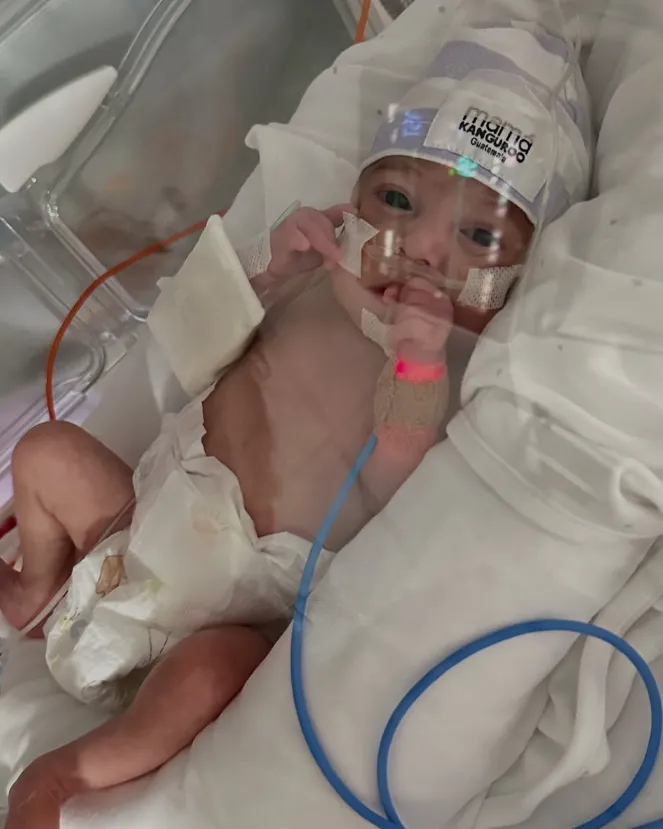
“To all the mothers who leave the NICU and return home, leaving their little warriors in incubators surrounded by wires and sounds that can be terrifying,” the mother reflects, “I see you. I think of you. I feel your longing to hold your baby in your arms and your prayers for their safety.” Every parent knows the aching weight of those moments: counting the days until they can finally take their baby home, praying with folded knees, trusting in both God and medicine for the fragile life in their care.
Not all stories end with a homecoming. Some, like that of her son Felipe, are heartbreaking. He gave everything in his battle, though God had a different plan. For parents facing such losses, the grief is profound and the emptiness almost impossible to fill. Yet, even in sorrow, there is a recognition of courage and the memory of their child’s fight. “I think of all the babies who, like my Felipe, fought with everything they had,” she says. “And I honor the mothers who continue on, carrying their love and loss with strength and grace.”
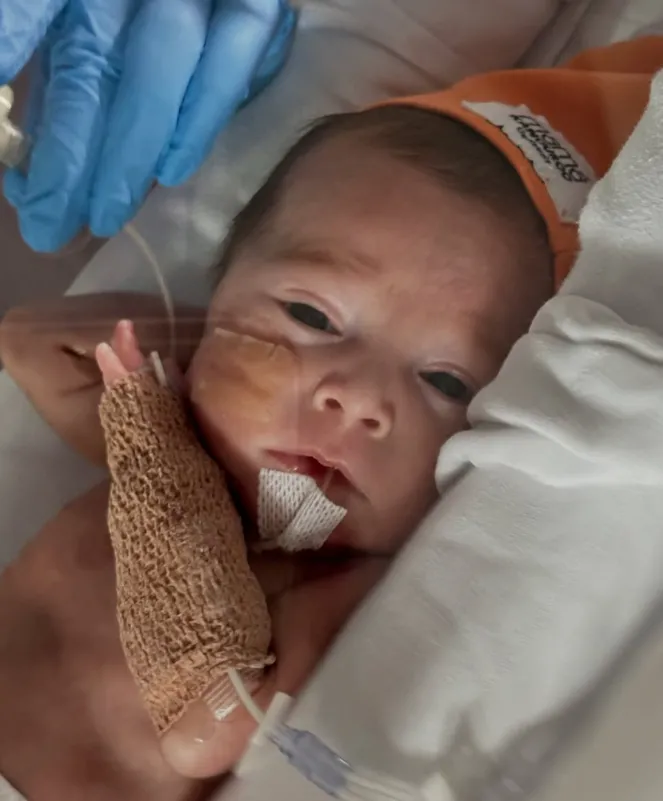
At the heart of every NICU is a daily display of miracles—tiny warriors fighting battles that are enormous for their size. Every breath, every ounce gained, every milestone celebrated is a testament to resilience. Nurses and doctors witness these moments, providing not only medical care but also guidance, reassurance, and support for families navigating the most difficult experiences of their lives.
Parents in the NICU quickly learn to adapt to a world they never imagined. They master the careful routines of medical care, the delicate handling of tiny bodies, and the intricate dance of monitoring progress and intervening when needed. They become experts in hope, learning to celebrate small victories while holding their breath through setbacks. Every day is a lesson in patience, courage, and the profound love that fuels every action.
World Prematurity Day is also a celebration of these families—the mothers, fathers, siblings, and extended relatives who provide unwavering support. These parents often juggle hospital visits with work, care for older children at home, and the emotional burden of constant worry. Their lives are forever altered, yet they demonstrate an inspiring capacity for endurance, love, and faith.
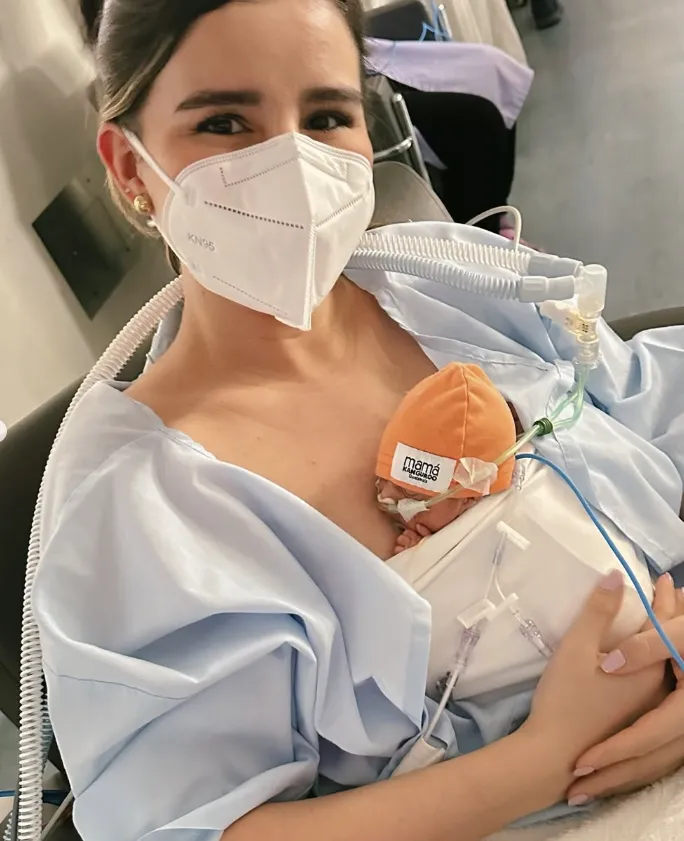
Faith is a common thread among many families in the NICU. Whether it is whispered prayers, hopeful thoughts, or reliance on the care teams around them, faith becomes an anchor in a sea of uncertainty. Parents cling to it during sleepless nights, during scares and alarms, and during the tiny but significant victories that mark their child’s growth and development.
For Isabella, and countless other preterm infants, every day in the NICU is a victory. It is a triumph of life over fragility, courage over fear, and determination over uncertainty. Her mother’s reflections remind us all of the extraordinary strength that exists in these tiny lives—and in the parents who never leave their side.
This day also honors those who are no longer with us. The memory of babies like Felipe reminds us that each life, however brief, leaves a profound impact. Families carry their children in their hearts, transforming grief into resilience, memory into advocacy, and love into a guiding light for others.
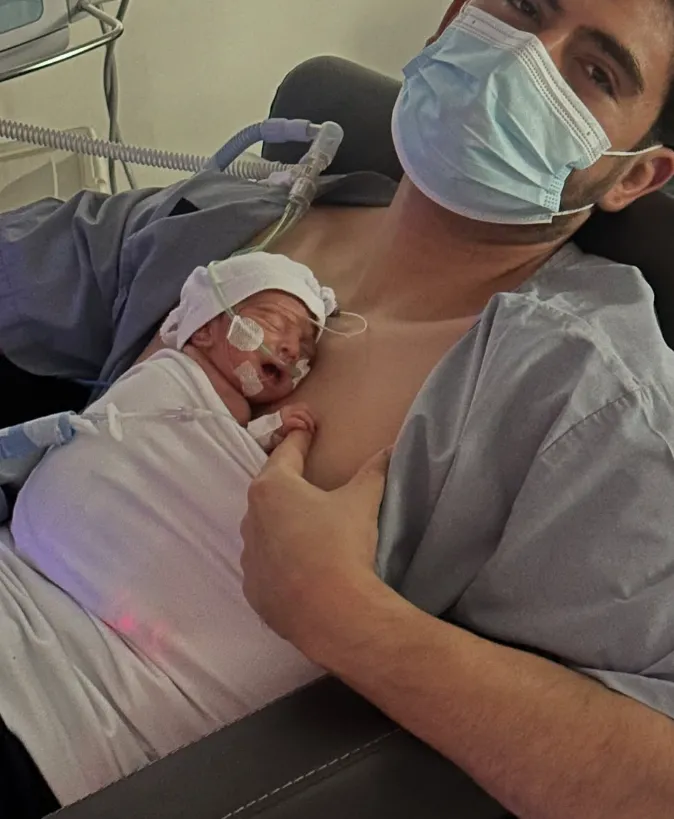
World Prematurity Day is ultimately about hope. It is a recognition of the courage of preterm babies, the devotion of their families, and the tireless work of medical teams who dedicate themselves to ensuring that each child has the best chance at life. It is a reminder that even in the face of unimaginable challenges, there is strength, love, and perseverance.
Today, we celebrate the tiny warriors who face enormous battles every day in NICUs around the world. We honor the parents who stand beside them, holding their hands, praying over them, and believing in the impossible. We remember the children who gave their all, and we lift up the families who continue on, carrying both hope and the memory of their precious ones.
For Isabella, for Felipe, and for every preterm baby and family, this day is a tribute: to courage, to resilience, and to the enduring power of love in the smallest hearts.
💜 On World Prematurity Day, we recognize the battles, celebrate the victories, and honor the tiny lives that teach us the true meaning of strength.