The floodlights at Hill Dickinson Stadium cut through the Merseyside night as tension gripped every inch of the pitch. This was never going to be just another derby. When Liverpool FC travel across Stanley Park to face Everton FC, history weighs heavy—and on this night, so did expectation.

But what unfolded in Liverpool’s dramatic 2-1 victory was more than a last-minute winner. It was a statement. Not just about title ambitions, not just about resilience—but about transformation, humility, and one manager’s public reckoning with a player he once misunderstood.
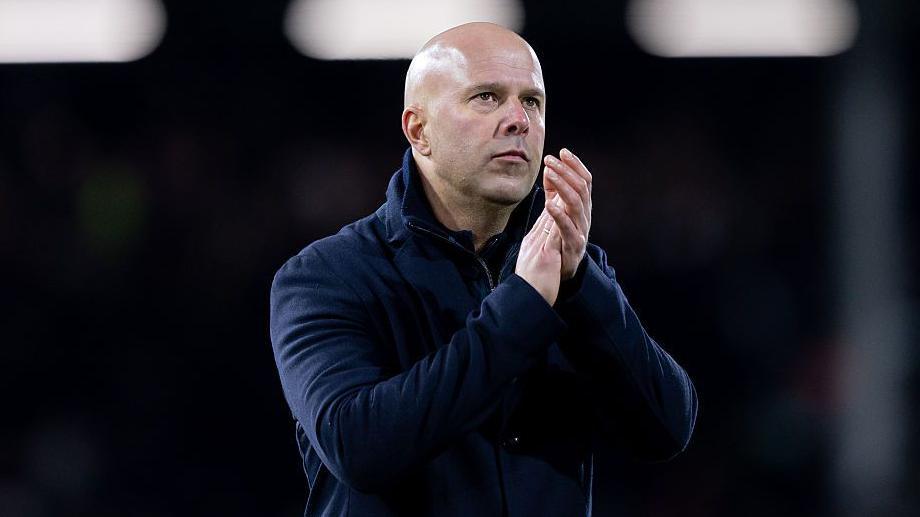
From the opening whistle, Arne Slot’s side imposed themselves with calculated authority. Their passing was crisp, their movement purposeful, and their intent unmistakable. Everton sat deep, absorbing pressure, but the cracks began to show midway through the first half.
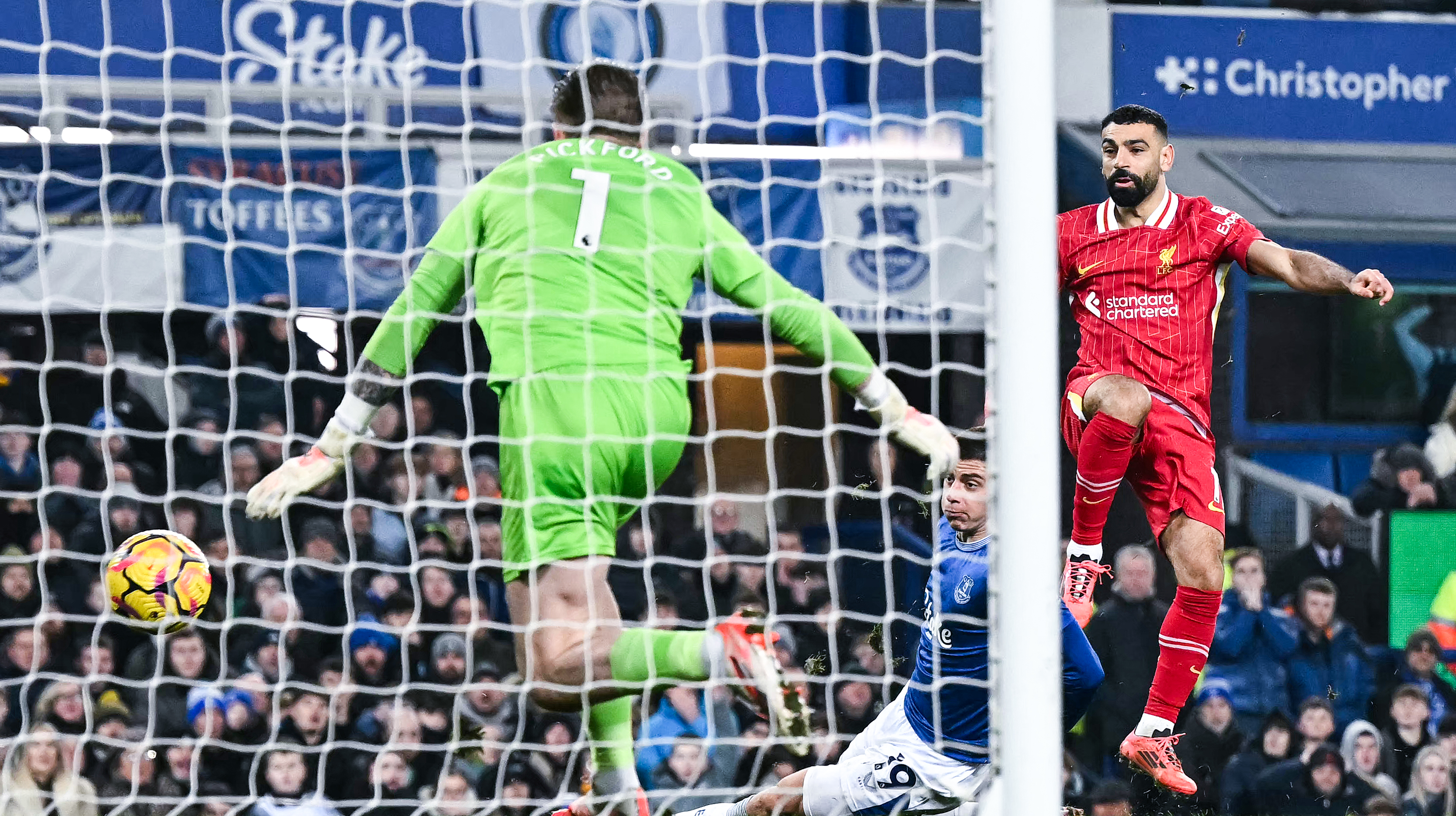
In the 29th minute, inevitability arrived in the form of Mohamed Salah. The Egyptian forward, so often the decisive figure in red, latched onto a well-worked move and finished with trademark composure. It was not just a goal—it was a reminder. Calm, clinical, and devastatingly efficient.
Liverpool carried that 1-0 lead into halftime, seemingly in control. But derbies rarely follow scripts.
Everton emerged after the break with renewed aggression. Their press intensified, their tackles sharpened, and their belief returned. In the 54th minute, Beto capitalized on a defensive lapse to bring the hosts level. Suddenly, the energy shifted. The stadium roared, and Liverpool—so composed earlier—were forced into a battle.
The midfield became a war zone. Ryan Gravenberch injected energy, while Dominik Szoboszlai tried to orchestrate moments of control. Out wide, Cody Gakpo provided bursts of attacking threat, while Florian Wirtz found pockets of space but lacked the finishing edge.

At the back, Ibrahima Konaté stood tall, combining strength with composure. And looming over everything, both figuratively and literally, was Virgil van Dijk.
As the clock ticked into stoppage time, the match seemed destined for a draw. Then came the moment that defines seasons.
A set piece. A delivery into the box. And Van Dijk, rising above the chaos, powering a header past the goalkeeper. 2-1. Silence from one half of the stadium. Explosion from the other.

It was a captain’s goal. A leader’s intervention. And yet, even that decisive moment would soon be overshadowed by what came after the final whistle.
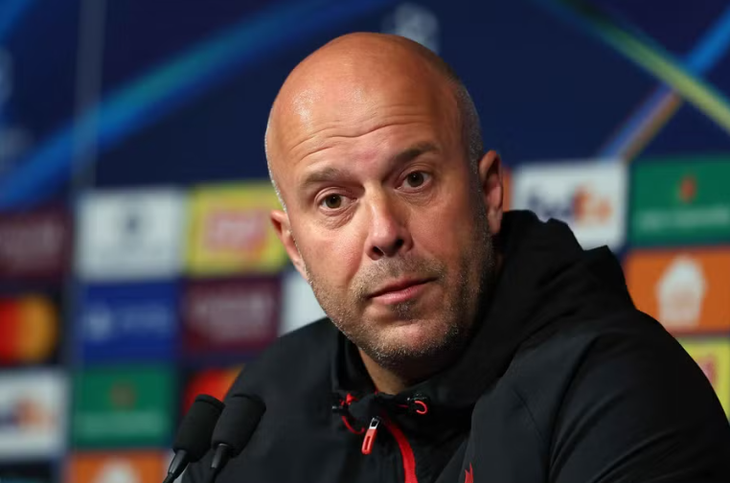
Because in the post-match press conference, Arne Slot didn’t just analyze tactics or praise resilience. He made a confession—one that reverberated far beyond the derby result.
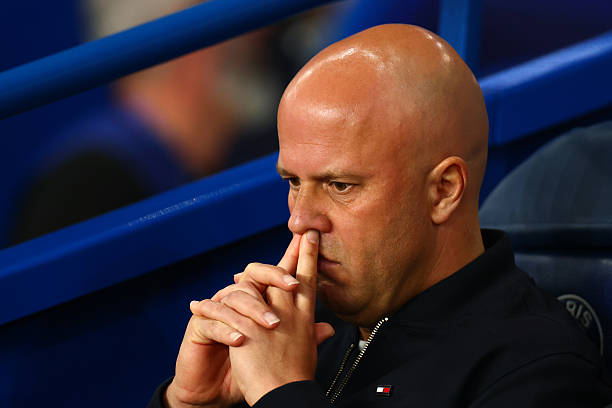

“I really APOLOGIZED to him!”
The room paused. Reporters leaned forward. Slot continued, candid and unfiltered.
He admitted that earlier in the season, he had doubts about Mohamed Salah—not about his talent, but about his tactical intelligence and overall influence within the evolving system. Slot, known for his structured philosophy, wasn’t fully convinced that Salah could adapt to the demands he envisioned.
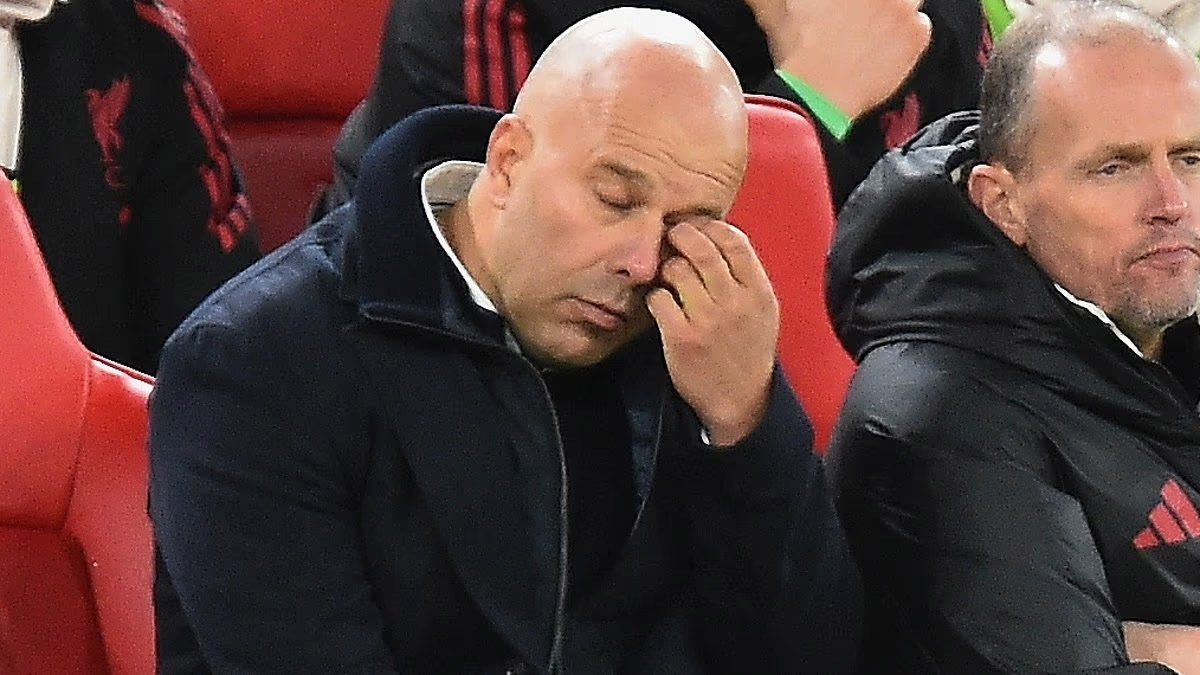
But football, as it often does, had other plans.
Salah didn’t just adapt—he evolved.
Week after week, in crucial moments and high-pressure matches, he demonstrated a deeper understanding of the game. His positioning became sharper, his decision-making more refined, his leadership more visible. He wasn’t just scoring goals—he was shaping matches.

And on derby night, with Liverpool needing inspiration, he delivered again.
Slot revealed that the turning point wasn’t a single goal or assist, but a pattern—a consistency of excellence that forced him to reconsider everything.
“I apologized to him in front of the whole team,” Slot admitted. “Because I was wrong.”
In modern football, where egos often dominate headlines, such humility is rare. But it also speaks to something bigger happening inside Liverpool’s dressing room.
Salah is no longer just the star forward. In Slot’s own words, he is now “the first name on the team sheet.”
That statement carries weight—especially at a club that has seen legends define eras. There are even growing whispers that Salah’s role is beginning to mirror, if not replace, the influence once held by iconic figures of Liverpool’s recent past.
And it’s not just about goals.
It’s about presence. Responsibility. The ability to carry a team through moments of uncertainty.
Against Everton, Liverpool needed a spark. Salah provided it early. Van Dijk finished the job late. But the story of the night belongs to something deeper—a realization that greatness isn’t static. It evolves.
As Liverpool push forward this season, chasing silverware and consistency, one thing is becoming increasingly clear: they are being driven by a player who refuses to stand still.
From clinical finisher to complete leader, Mohamed Salah is redefining his legacy in real time.
And perhaps the most powerful symbol of that transformation isn’t found in a goal or assist—but in a manager standing before the world, admitting he got it wrong.
At Liverpool, that kind of honesty might just be as valuable as any last-minute winner.