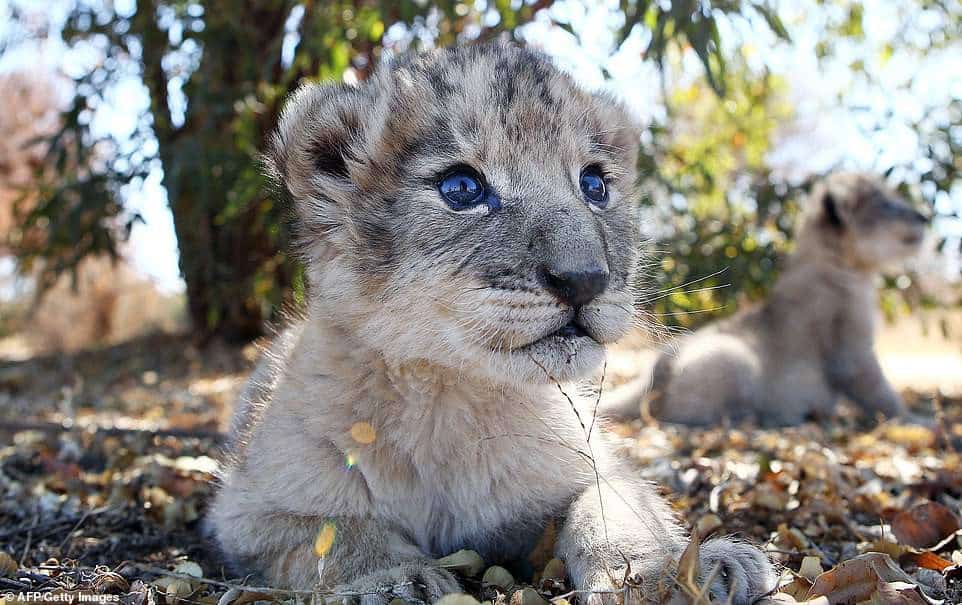
In a landmark achievement for wildlife conservation, Victor and Isabel—the world’s first lion cubs conceived through artificial insemination—have been born at the Ukutula Private Game Conservation Center in South Africa. Their arrival marks a promising step forward for lion populations, which have been plummeting across Africa.

Over the past two decades, wild lion numbers have dropped by 43%, leaving only around 20,000 individuals. This alarming decline underscores the urgent need for innovative conservation strategies to prevent further losses.

Victor and Isabel’s birth follows an 18-month intensive effort, proving that artificial insemination can play a pivotal role in preserving and restoring lion populations. Aysa, the lioness mother, successfully delivered the cubs using sperm from a healthy male, marking a historic milestone in big cat conservation.

Experts believe this success could have wider implications for other endangered big cats, including tigers and snow leopards, which face similar threats. Artificial insemination offers a potential lifeline by safeguarding genetic diversity and combating challenges such as habitat loss and human-wildlife conflict.

Supporters emphasize that, when applied responsibly, reproductive technologies can strengthen conservation efforts and give threatened species a fighting chance.

Victor and Isabel’s playful antics under the African sun are more than adorable—they are a symbol of hope and a call to action. Their birth highlights the importance of continued collaboration to protect lion populations and ensure these majestic creatures thrive for generations to come.

