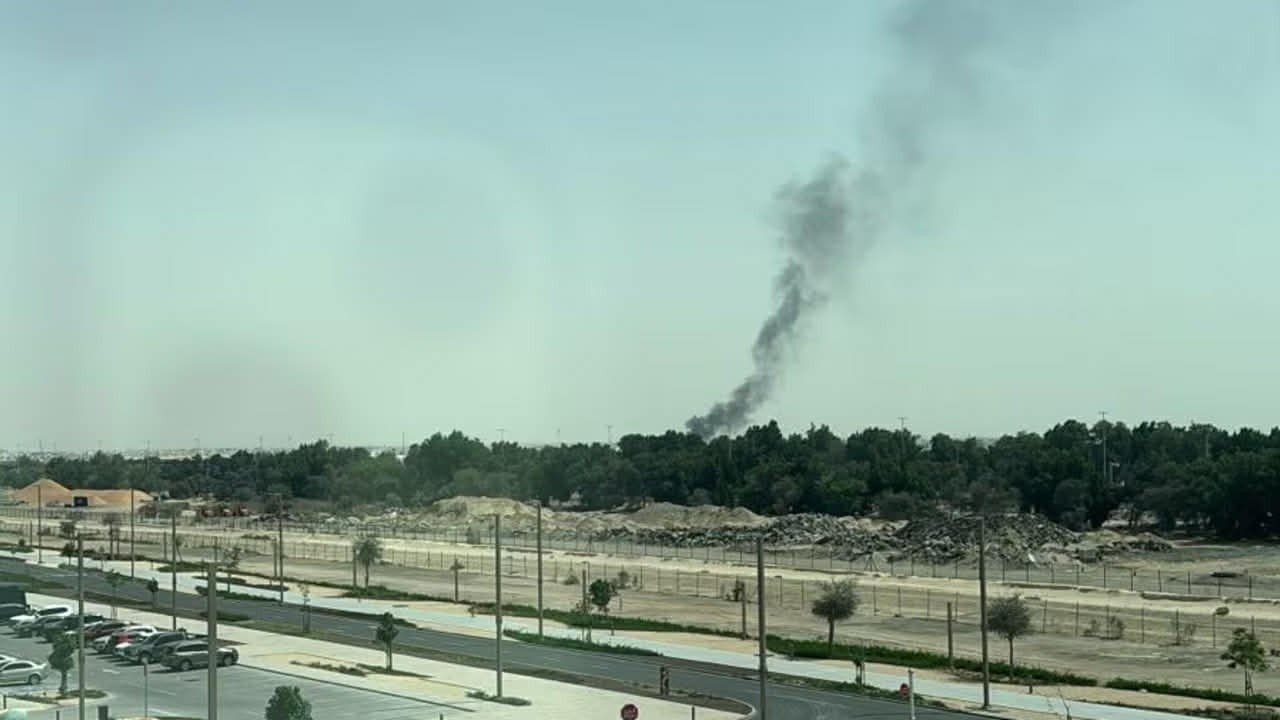
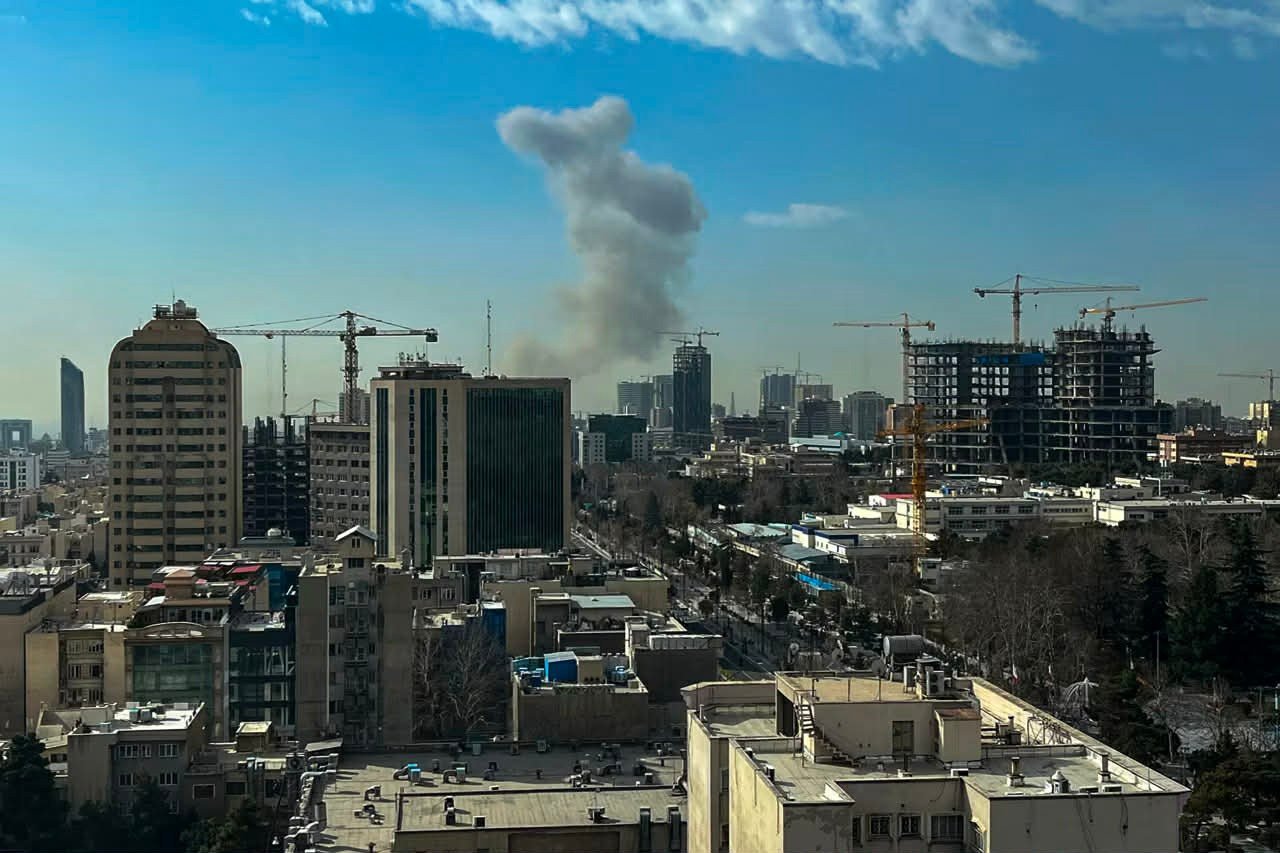
 On February 28th, Israel and the United States launched a coordinated missile strike against Iran, reportedly targeting sites near Supreme Leader Ali Khamenei’s office. According to Israel’s Defense Minister, the operation was a “pre-emptive strike” aimed at neutralizing imminent threats. Iran immediately closed its airspace, while Israel activated air raid sirens across the country.
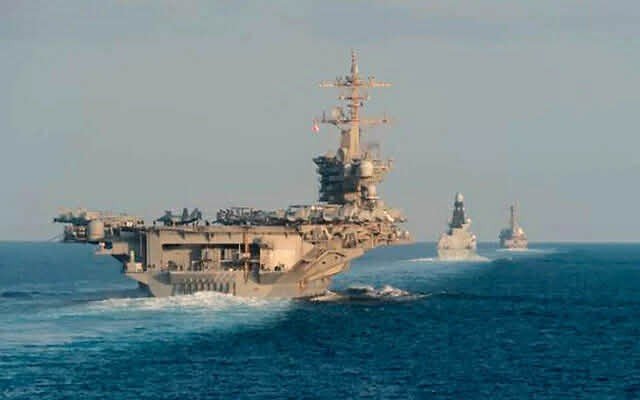
This escalation comes after months of planning, with both Israel and the U.S. aiming to disrupt Iranian military capabilities and deter further nuclear development. Israeli officials say the strikes targeted military command centers, top officials’ residences, and strategic infrastructure, while Iran’s missile response set off alarms across northern Israel.
U.S. President Donald Trump declared a “large-scale operational campaign” in Iran, framing the strikes as defensive and aimed at protecting American lives. Simultaneously, Iran-backed Houthi forces in Yemen resumed attacks on shipping lanes and Israeli positions in support of Tehran.
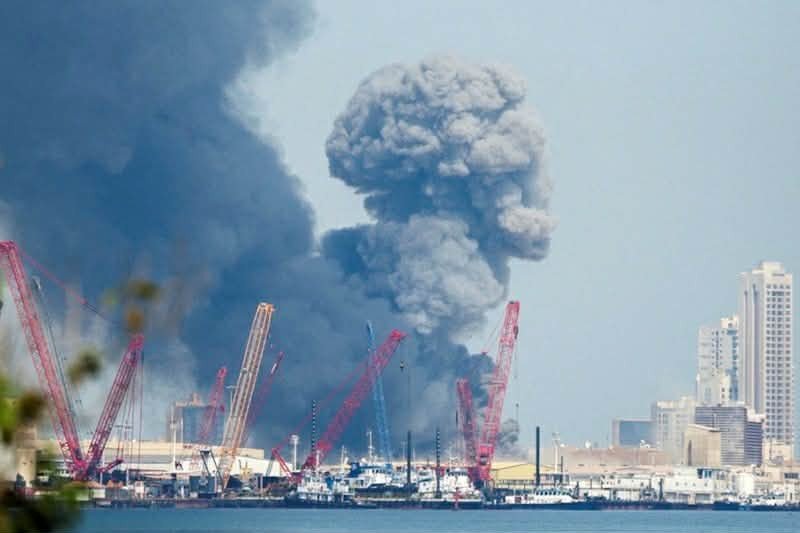
Regional airspaces, including Syria, Iraq, and Qatar, have been temporarily closed as the situation evolves, and Israel has mobilized tens of thousands of reserve troops. Experts warn the possibility of a multi-front escalation is high, with Iran weighing whether to retaliate fully or pursue de-escalation.
This crisis marks one of the sharpest escalations in decades between Tehran, Washington, and Tel Aviv. With both sides exchanging missile fire and cyberattacks, the risk of broader Middle East conflict looms large, potentially impacting global security and energy markets.