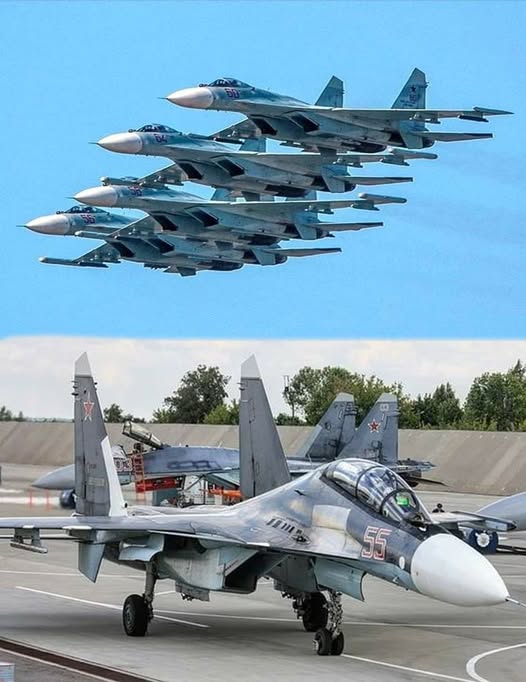
Images depict a formation of Su-27 and Su-30 fighters flying in tactical formation, alongside a Su-27 or Su-30 parked on a runway. Here is an analysis of the capabilities, roles, and tactics of these aircraft:
1. Overview
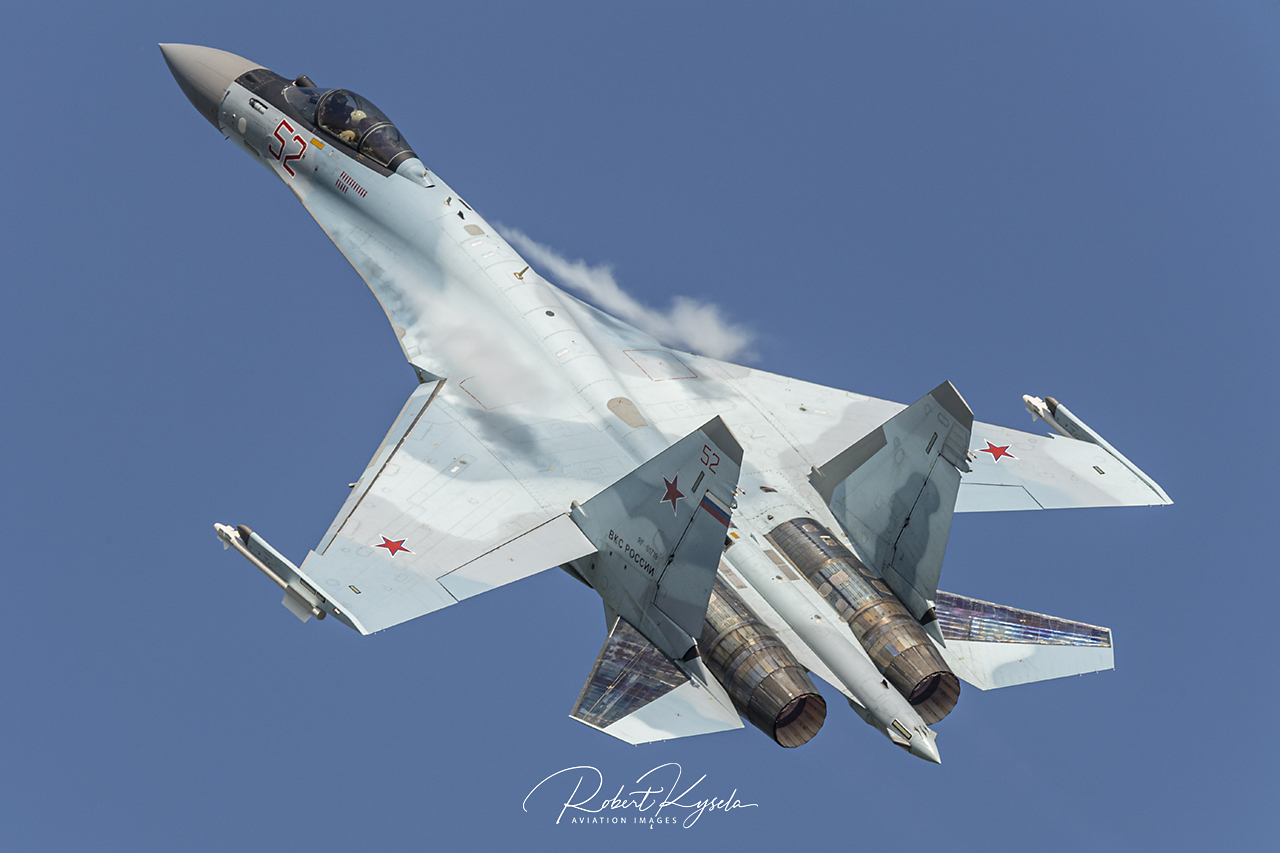
Aircraft Type: Su-27 “Flanker” and upgraded Su-30 variants
Primary Mission: Air superiority, ground attack, escort, and multi-role operations
Origin: Russia, developed by Sukhoi since the 1980s to counter U.S. fighters such as the F-15 Eagle
2. Design and Key Technologies
Engines: Equipped with Lyulka AL-31F turbofan engines, allowing a maximum speed of approximately Mach 2.35
Maneuverability: Advanced aerodynamic design, including canted wings and V-shaped tail fins, enables exceptional agility
Radar Systems: Multi-function N001 Myech radar or Zhuk-ME variant (on Su-30) supports long-range target detection and missile guidance for air-to-air and air-to-ground operations
Armament: Air-to-air missiles such as R-27, R-73, R-77; guided bombs and air-to-ground missiles on Su-30; 30 mm GSh-30-1 cannon
3. Tactical Roles
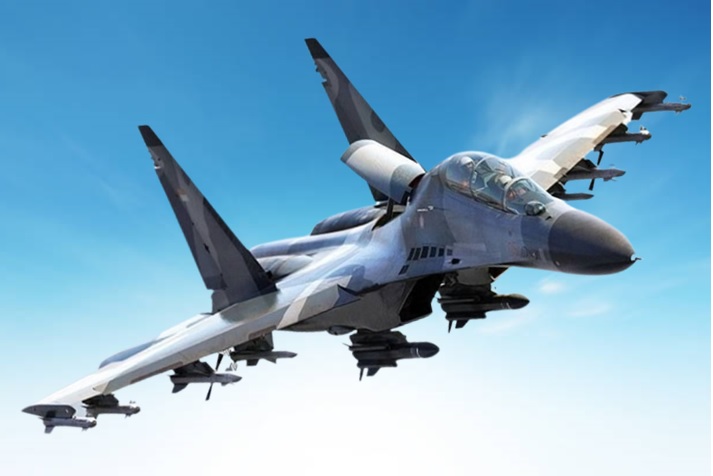
Air Superiority: Su-27 and Su-30 serve as the backbone of the Russian Air Force in medium- and close-range aerial combat. Their formations demonstrate high tactical coordination, enabling both offensive and defensive maneuvers.
Multi-Role Support: Su-30 can perform ground attacks, strategic escort, and reconnaissance missions due to its versatile weapons loadout.
Formation Efficiency: Images of straight-line formations highlight safe spacing, improved radar coverage, and coordinated strike capability.
4. Strategic Strengths
High Maneuverability: Allows evasion of enemy missiles and execution of complex tactical maneuvers
Range and Ceiling: Capable of long-range strikes while maintaining air superiority
Flexible Armament: Integration of short- and medium-range missiles, guided bombs, and multi-target capabilities
5. Limitations
Operational Cost: Powerful engines and advanced systems require high fuel consumption and complex maintenance
Electronics: While modern, Russian radar and avionics sometimes lag behind U.S. counterparts in certain ECM (Electronic Countermeasure) capabilities
Pilot-Dependent: Optimal performance of Su-27/ Su-30 heavily relies on pilot skill, especially in close-range air combat
6. Conclusion
The images illustrate that the Su-27 and Su-30 remain key assets of the Russian Air Force, distinguished by maneuverability, multi-role capability, and effective tactical formations. When integrated with ground radar systems and air defense, these fighters continue to play a critical role in airspace control and achieving air dominance.
In summary: The Su-27 and Su-30 symbolize Russian air power, combining speed, agility, and versatility – a strategic tool in any modern conflict.