In the realm of strategic airlift, only a few aircraft have truly defined their era. Among the most formidable heavy transport aircraft in modern aviation history stand three giants: the Ilyushin Il-76 of Russia, the C-17 Globemaster III from the United States, and China’s rising star, the Xi’an Y-20. These aircraft embody the strategic ambitions and engineering prowess of their respective nations, projecting power across continents and defining the tempo of military and humanitarian operations worldwide.
1. Ilyushin Il-76: The Soviet Workhorse

First flown in 1971, the Ilyushin Il-76 was conceived during the Cold War to meet the Soviet Union’s need for a rugged, long-range heavy transport capable of operating from unpaved runways. Over the decades, it has evolved into a versatile platform used for troop transport, aerial refueling, airborne early warning, and even firefighting.
-
Max payload: ~50 tons
-
Range (with max payload): ~4,000 km
-
Notable variants: Il-76MD, Il-78 (refueler), A-50 (AWACS)
What makes the Il-76 stand out is its ability to operate in austere environments, such as the Arctic or remote mountain airfields. Its four Soloviev D-30 engines may lack modern efficiency, but they deliver the raw thrust necessary for rugged missions. The aircraft’s continued use across the CIS and by export clients underscores its dependability.
2. C-17 Globemaster III: America’s Strategic Workhorse
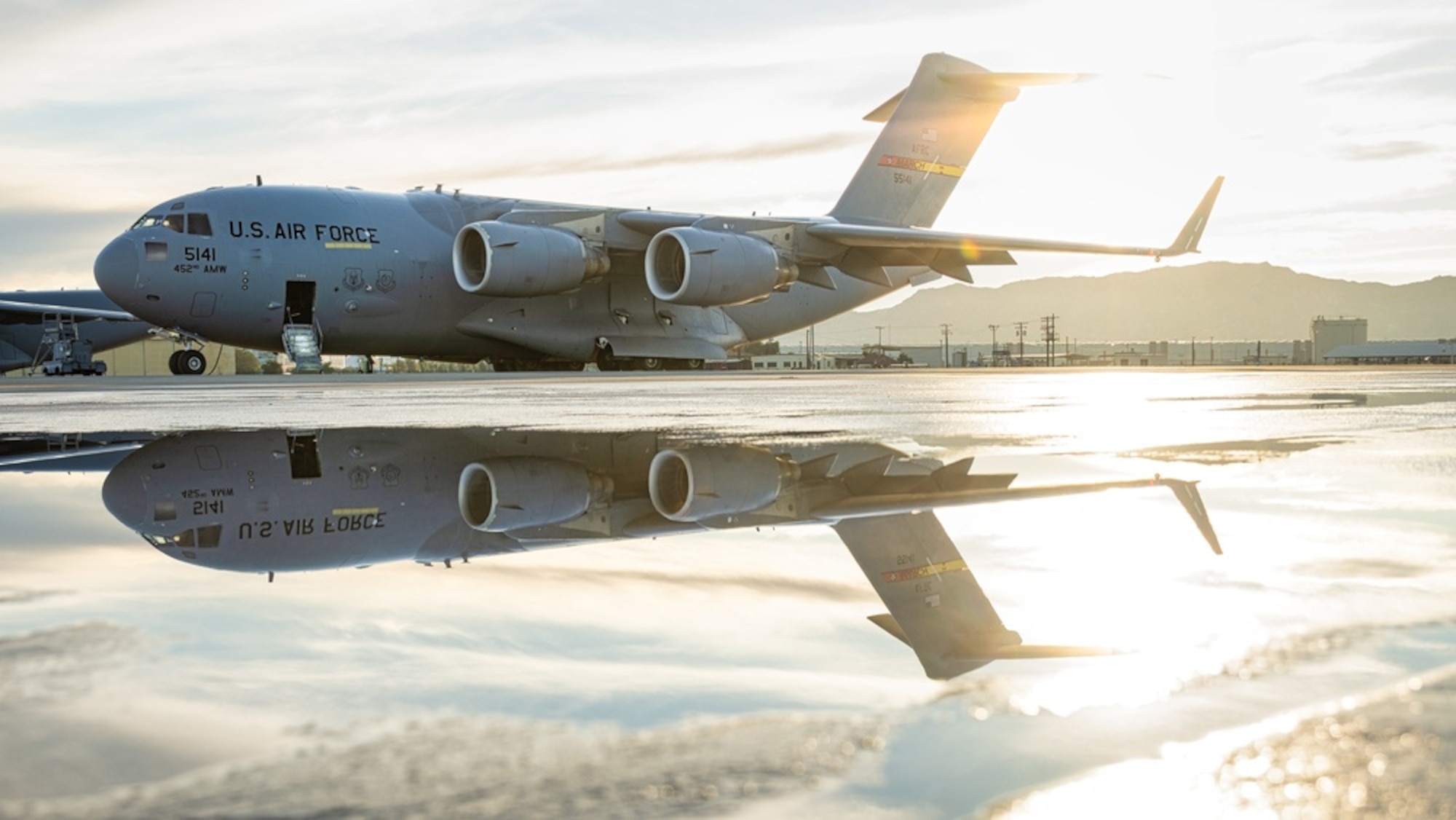
Introduced in the 1990s, the C-17 Globemaster III represents a quantum leap in airlift capability for the U.S. and allied forces. Designed by McDonnell Douglas (now Boeing), the C-17 combines strategic and tactical roles—allowing for rapid intercontinental deployment and agile access to forward battlefields.
-
Max payload: ~77.5 tons
-
Range (with max payload): ~4,500 km
-
Short-field capability: Can operate from runways as short as 1,060 meters
What distinguishes the C-17 is its high-tech avionics, fly-by-wire controls, and ability to deliver oversized cargo such as tanks and helicopters directly to austere environments. It boasts a rear-loading ramp and rapid-deployment capabilities, enabling quick turnaround in critical missions—ranging from combat deployments to disaster relief.
With over 270 aircraft in operation, the C-17 has become a symbol of global mobility, supporting NATO, the U.S. Air Force, and key allies like the UK, Australia, and India.
3. Xi’an Y-20: China’s Strategic Leap

China’s Xi’an Y-20, nicknamed “Chubby Girl” for its rotund fuselage, signals a major leap in the People’s Liberation Army Air Force’s (PLAAF) ambitions. Entering service in 2016, the Y-20 is the first large strategic airlifter developed indigenously by China, reflecting the nation’s accelerating aerospace advancements.
-
Max payload: ~66 tons
-
Range (with max payload): ~4,500–5,000 km
-
Key feature: Modular design for multipurpose variants (e.g., tanker, AEW&C)
While currently powered by Russian D-30 engines (same as the older Il-76), China is actively testing indigenous WS-20 turbofan engines, which will improve efficiency and thrust. The Y-20 mirrors many design elements from the C-17, including a high-wing layout and rear cargo ramp, but it is tailored to Chinese operational doctrines and logistical needs.
Strategically, the Y-20 allows China to project power deep into Asia, Africa, and the Pacific, and supports its growing participation in UN peacekeeping and international disaster relief missions.
Comparative Overview:
| Feature | Ilyushin Il-76 | C-17 Globemaster III | Xi’an Y-20 |
|---|---|---|---|
| Country | Russia | USA | China |
| First Flight | 1971 | 1991 | 2013 |
| Max Payload | ~50 tons | ~77.5 tons | ~66 tons |
| Range (Max Load) | ~4,000 km | ~4,500 km | ~4,500–5,000 km |
| Runway Needs | Semi-prepared OK | Short-field capable | Moderate requirements |
| Engine Origin | Soviet/Russian | American | Russian (→Chinese WS-20 planned) |
Strategic Implications
Each aircraft reflects its nation’s strategic priorities:
-
Russia focuses on rugged utility and reliable mass production for wide deployment and export.
-
The U.S. prioritizes rapid global reach with technological superiority and versatile performance.
-
China is building self-reliance and long-range power projection, especially within Asia-Pacific and Belt and Road regions.
In essence, these aircraft are not just machines—they are geopolitical instruments. They transport more than cargo: they carry influence, deterrence, and a message of strategic readiness.
Conclusion
The Ilyushin Il-76, C-17 Globemaster III, and Xi’an Y-20 are more than military transports; they are cornerstones of their respective nations’ ability to shape events far beyond their borders. As geopolitical tensions shift and global logistics demand faster and farther reach, these airlifters will remain central to both humanitarian aid and hard power projection in the 21st century.