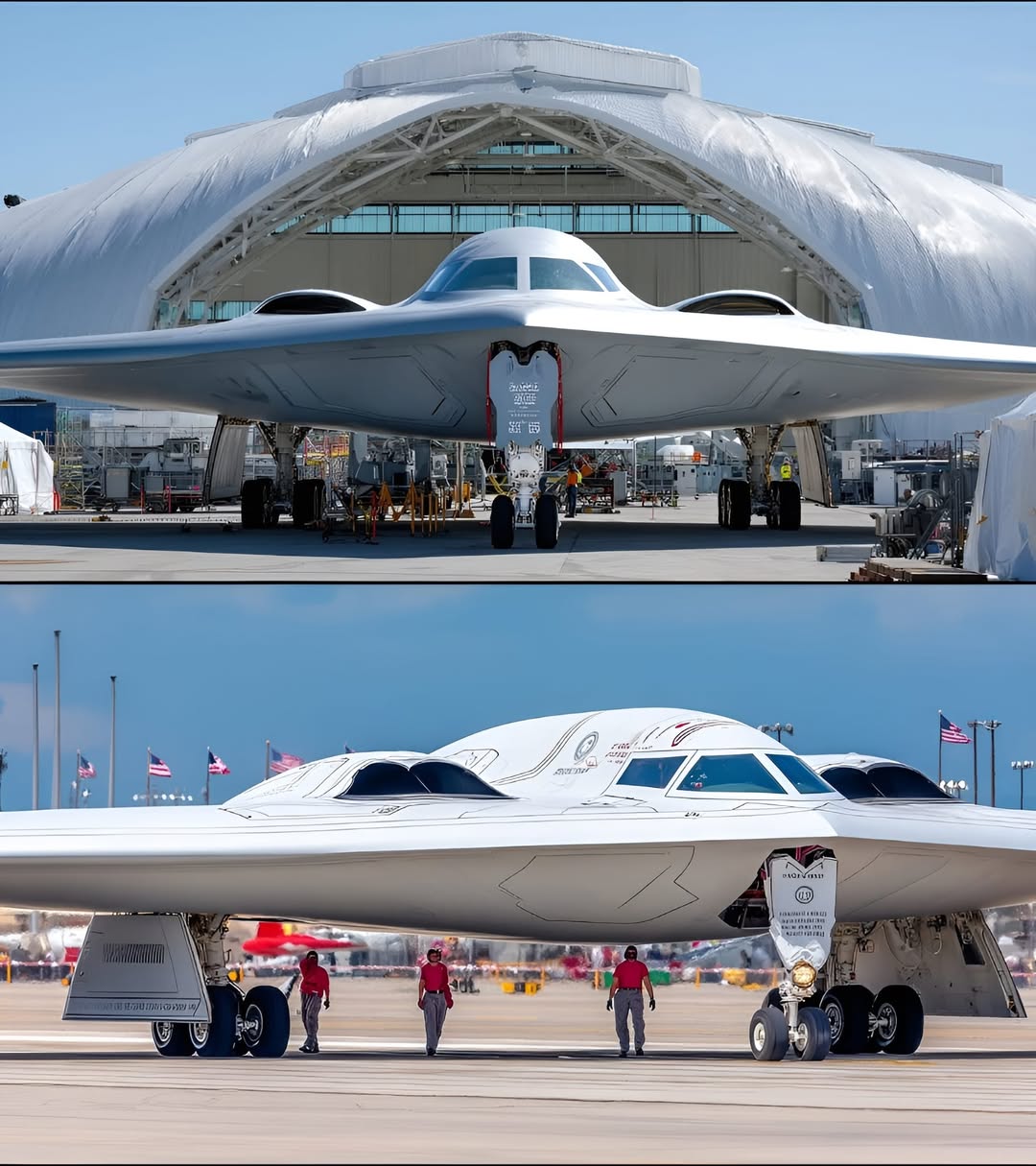
 The United States Air Force (USAF) has unveiled its second B-21 Raider stealth bomber, marking a significant milestone in the development of the nation’s future long-range strike capability. Developed by Northrop Grumman, the B-21 is designed to deliver advanced stealth, next-generation mission systems, and adaptability to counter emerging global threats.
Stealth for the Next Era
The B-21 Raider’s flying-wing configuration and radar-absorbing materials are engineered to ensure survivability against the world’s most sophisticated air defense systems. The aircraft is optimized for penetrating highly contested environments, reinforcing the U.S. commitment to maintaining strategic deterrence.
Advanced Mission Systems
Beyond its airframe, the B-21 incorporates a suite of integrated mission systems, including:
-
Next-generation avionics for enhanced situational awareness.
-
Open-architecture software enabling rapid upgrades and modular capability expansion.
-
Advanced electronic warfare systems to degrade or defeat adversary defenses.
-
Cyber-hardened components designed to withstand evolving digital threats.
This integration transforms the B-21 into a multi-role platform, capable not only of strategic bombing but also electronic attack, intelligence gathering, and potentially autonomous operations in the future.
Path Toward Deployment
The rollout of the second B-21 Raider highlights continued progress toward operational testing and fielding. The aircraft is expected to gradually replace the aging B-1 Lancer and B-2 Spirit fleets, ensuring the United States retains a credible long-range strike capability for decades to come.
As the program advances, the B-21 is set to become the cornerstone of U.S. strategic airpower, embodying precision, survivability, and innovation in modern warfare.